

What Twin-Screw Extruders Are and Why the Manufacturer Behind Them Matters
Imagine committing six or seven figures to a piece of equipment that will define your production quality, uptime, and profitability for the next decade. That is exactly the stakes involved when selecting a twin-screw extruder manufacturer — and yet many buyers reduce the decision to a spec-sheet comparison or a price negotiation. This guide exists to change that. It is not a ranked list of brands or a veiled sales pitch. It is a structured decision framework designed to help plastics processors, compounders, and engineering teams evaluate manufacturers on the factors that actually determine long-term success.
What Is a Twin-Screw Extruder
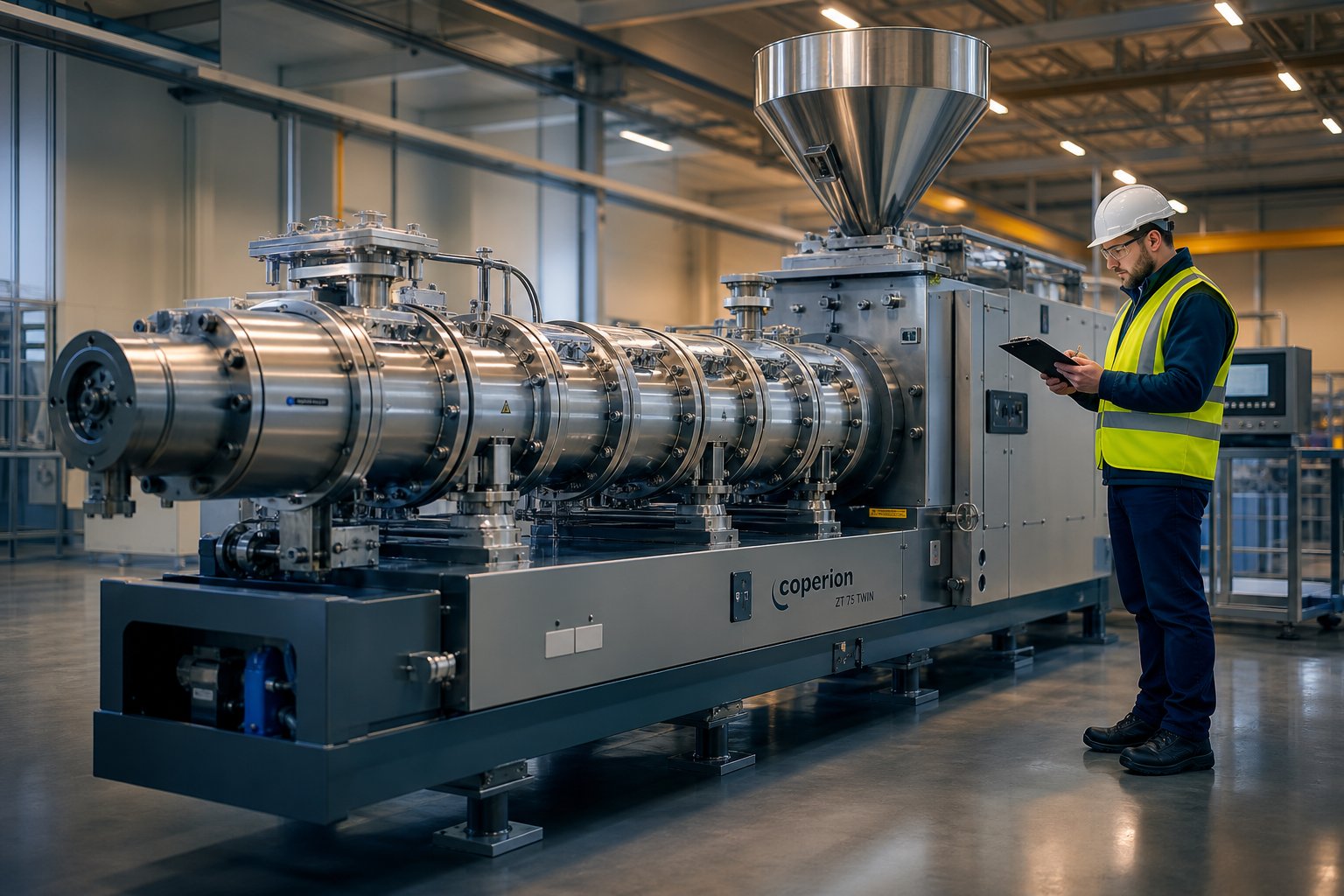
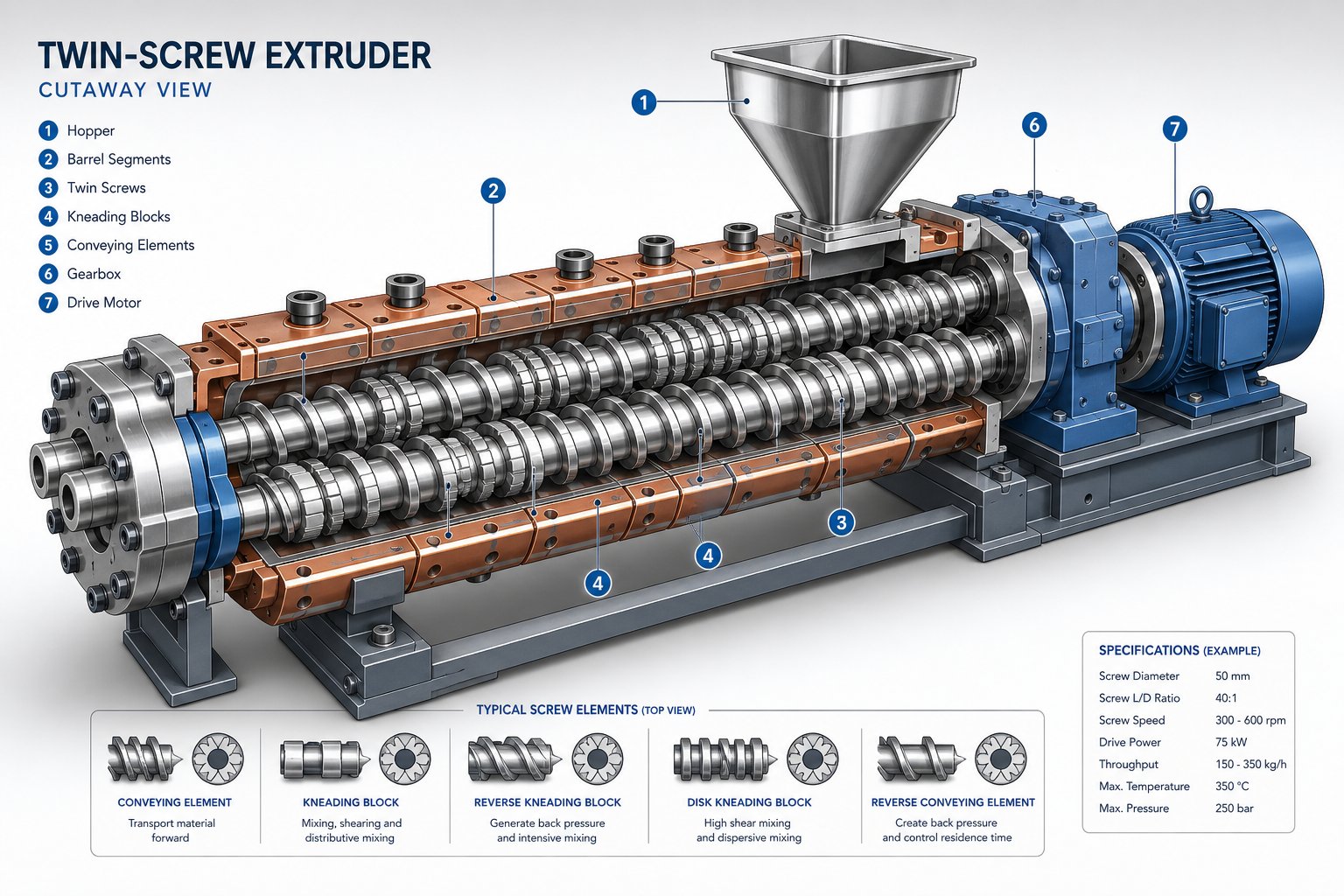
A twin screw extruder is a machine built around two intermeshing screws that rotate side by side inside a heated barrel. As raw material — typically polymer pellets, powder, or granules — enters the barrel, these screws convey, compress, melt, and intensively mix it before forcing the homogeneous melt through a die to form a desired shape. The intermeshing design creates a self-wiping action that prevents material buildup, ensures tight residence-time control, and delivers superior mixing compared to single-screw alternatives.
What makes the twin-screw extruder so broadly adopted is its versatility. Plastics compounders rely on it for blending polymers with additives, fillers, and pigments. Food manufacturers use it to texturize proteins and produce snack foods. Pharmaceutical companies process drug delivery systems through hot-melt extrusion. Chemical producers run reactive extrusion processes inside the same basic platform. With a global market valued at roughly USD 4.8 billion in 2025 and projected to reach USD 7 billion by 2036, the twin-screw extruder sits at the core of multiple high-growth industries.
Why Manufacturer Selection Matters More Than Machine Specs
Here is the problem most first-time buyers run into: two twin-screw extruders can look nearly identical on paper — same screw diameter, same L/D ratio, similar torque ratings — and still deliver wildly different results on the production floor. Why? Because spec sheets do not capture the metallurgy of the barrel liners, the precision tolerances of the screw elements, the depth of the manufacturer's process engineering support, or the responsiveness of their aftermarket service network.
The market itself reinforces this complexity. Hundreds of manufacturers compete globally, from premium European OEMs with decades of engineering heritage to rapidly maturing Asian producers offering compelling price points. No two deliver the same combination of build quality, application expertise, spare-parts availability, and technology roadmap. A buyer evaluating only the machine is seeing half the picture. The smarter approach is evaluating the manufacturer's entire ecosystem — their R&D investment, training programs, regional service centers, and willingness to co-develop solutions tailored to your specific process.
Choosing a twin-screw extruder manufacturer is not a one-time equipment purchase — it is a decision to enter a long-term technology partnership that will shape your operational costs, product quality, and competitive agility for years to come.
That distinction between buying a machine and choosing a partner is the thread running through every section ahead. The following chapters break down exactly how to evaluate configurations, match applications, assess total cost of ownership, and spot red flags — so you can make a confident, regret-free decision rooted in the factors that genuinely matter.
How Twin-Screw Extruders Work and Why Configuration Changes Everything
A twin-screw extruder manufacturer's catalog may list dozens of models, but every machine falls into a handful of fundamental configurations. Understanding these configurations is not academic trivia — it directly determines which materials you can process, what mixing quality you will achieve, and which producers are even worth contacting for a quote. Think of configuration as the DNA of a screw extruder: change it, and you change everything downstream.
Co-Rotating vs Counter-Rotating Configurations
The most consequential distinction in twin screw extrusion is the direction the screws turn relative to each other.
In a co-rotating design, both screws spin the same way — typically with a fully intermeshing geometry. Material is forcibly handed from one screw flight to the next at the intermeshing zone, creating intense shear fields and an "infinity-shaped" flow path that promotes thorough distributive and dispersive mixing. Because the internal volume has very few dead zones, residence-time distribution stays narrow and controllable. That makes co-rotating machines the dominant choice for polymer compounding, reactive extrusion, masterbatch production, and devolatilization — essentially any process where aggressive mixing and precise thermal history matter.
A counter-rotating double screw extruder flips the equation. The screws turn in opposite directions, drawing material into the intermeshing zone and advancing it forward under compression. Shear stress is significantly lower than in a co-rotating machine, and a calendering effect at the nip region disperses additives under gentle conditions. This matters enormously for heat-sensitive materials like rigid PVC, where excessive shear generates destructive heat. Counter-rotating screw extruders can operate at high fill levels and low rotational speeds, keeping material temperature well below decomposition thresholds — which is why they dominate PVC pipe, sheet, and profile extrusion.
Intermeshing vs Non-Intermeshing Designs
Within both rotation categories, you will encounter intermeshing and non-intermeshing variants. The distinction is straightforward but has real processing consequences.
Intermeshing screws are positioned close enough that the flight of one screw enters the channel of the other. This tight engagement creates a self-wiping action that continuously scrapes the barrel and screw surfaces, preventing material from stagnating or degrading. The result is excellent residence-time control and consistent output quality — critical for processes where even a few seconds of extra thermal exposure can degrade the product.
Non-intermeshing designs space the screws farther apart so they operate more independently, functioning almost like two single-screw extruders sharing a barrel. Shear forces drop considerably, and material exchange between the screws relies more on diffusion than forced conveyance. You will find non-intermeshing configurations in niche devolatilization applications where gentle handling and extended surface renewal — rather than aggressive mixing — are the priority.
Conical vs Parallel Twin-Screw Geometry
Geometry adds another layer of differentiation. Parallel twin screw extruders maintain a constant screw diameter along the entire barrel length. This uniform geometry lends itself to modular screw element design, where kneading blocks, conveying elements, and mixing zones can be rearranged freely to fine-tune the process. Parallel machines are the workhorses of compounding lines, offering high throughput, scalable L/D ratios, and unmatched flexibility in screw configuration.
Conical screw extruders taper from a larger diameter at the feed end to a smaller diameter at the discharge. This natural compression zone enhances melting and builds discharge pressure efficiently without requiring high screw speeds. Conical designs also allow for larger root diameters at the feed section, which translates into higher torque transmission capability relative to machine size. They excel in medium-capacity PVC extrusion lines for pipes and profiles, where compact footprint and gentle processing outweigh the need for modular versatility.
| Parameter | Co-Rotating Parallel | Counter-Rotating Parallel | Counter-Rotating Conical |
|---|---|---|---|
| Shear Intensity | High | Low to moderate | Low to moderate |
| Mixing Quality | Excellent distributive and dispersive | Good dispersive via calendering effect | Good dispersive; natural compression aids melting |
| Typical Applications | Compounding, reactive extrusion, masterbatch, devolatilization | PVC pipe and profile, heat-sensitive formulations | PVC pipe, sheet, profile extrusion, medium-capacity lines |
| Material Suitability | Engineering plastics, polymer blends, filled compounds, biopolymers | Rigid and flexible PVC, thermally sensitive polymers | PVC formulations, WPC (wood-plastic composites) |
| Throughput Range | Lab scale (few kg/h) to 20,000+ kg/h | Moderate; process-limited by low speed operation | Low to medium; optimized for compact output |
| Screw Modularity | Highly modular — interchangeable elements | Limited modularity | Fixed or semi-modular screw design |
Why does all of this matter for your purchasing decision? Because the configuration you need narrows the field of qualified manufacturers dramatically. A producer that specializes in co-rotating parallel machines for compounding may have limited expertise — or no product line at all — in conical PVC extrusion, and vice versa. Matching your application to the right configuration is the essential first step before you ever compare brands, and the next section maps specific applications to the exact manufacturer capabilities you should be evaluating.
Matching Your Application to the Right Type of Manufacturer
Most buyer guides list manufacturers first and leave you to figure out whether any of them actually fit your process. That approach is backwards. Your application dictates the configuration, and the configuration dictates which twin-screw extruder manufacturer deserves a spot on your shortlist. Start from what you need to produce, then work backward to the capabilities a supplier must demonstrate.
Compounding and Masterbatch Production
Polymer compounding is the single largest application for co-rotating twin screw extruders — and it is also where manufacturer differentiation runs deepest. A credible compounding extruder must deliver high torque density through a modular barrel-and-screw platform that lets you rearrange kneading blocks, conveying elements, and mixing zones to suit each formulation. When evaluating plastic compounding equipment, look beyond the base machine. Ask about the breadth of the manufacturer's screw element library, the number of barrel segment configurations available, and whether side feeders for glass fiber, mineral fillers, or liquid additives are offered as integrated options rather than third-party add-ons. The best compounding twin screw extruder suppliers also provide downstream pelletizing integration as part of a turnkey compounding machine package — a detail that saves significant engineering effort during line commissioning.
Reactive Extrusion and Devolatilization
Reactive extrusion flips the evaluation priority from hardware to process knowledge. Here, the extruder functions as a continuous chemical reactor, and success depends on precise temperature zoning, tightly controlled residence-time distribution, and strategically placed vacuum venting ports. A twin screw compounding extruder designed purely for blending may lack the barrel length, vent placement flexibility, or sealing-element sophistication that reactive processes demand. As industry experts have noted, each vacuum vent can reduce volatile concentration by roughly an order of magnitude — but only if the upstream and downstream screw seals are correctly designed. Buyers should evaluate a manufacturer's process engineering depth, trial capabilities, and willingness to co-develop screw configurations rather than relying on catalog defaults.
Direct Extrusion and Profile Applications
When the goal is producing finished profiles, pipes, or sheets directly from the extruder die, the machine requirements shift substantially. Counter-rotating or conical twin-screw designs typically dominate here because they generate high discharge pressure at low shear — exactly what PVC window profiles, medical tubing, and rigid pipe demand. Die-head integration becomes a critical differentiator: you will want a manufacturer that designs or closely collaborates on die tooling, calibration tables, and haul-off systems, since these downstream components must work in harmony with the extruder's pressure and melt-temperature output.
Pelletizing and Downstream Integration
A compounding line does not end at the extruder barrel — the pelletizing stage determines the final pellet geometry, quality, and throughput efficiency. Some manufacturers differentiate by offering fully integrated pelletizing systems, including strand pelletizers for standard compounds and underwater pelletizing units for sticky or low-viscosity melts that cannot hold a strand. Others partner with specialized downstream equipment providers. Neither approach is inherently superior, but you should know which model a manufacturer follows so you can plan integration, warranty coverage, and spare-parts sourcing accordingly.
To make this actionable, here is a scannable checklist mapping each application category to the manufacturer capabilities you should prioritize during evaluation:
- Compounding and Masterbatch: Modular screw and barrel platform, extensive element library, integrated side feeders, downstream pelletizing options, proven reference installations in your polymer family.
- Reactive Extrusion and Devolatilization: Process engineering team with reactive extrusion experience, flexible vent placement, vacuum system integration, trial and pilot-plant access, residence-time simulation tools.
- Direct Extrusion and Profiles: Counter-rotating or conical machine availability, in-house or partnered die-head design, calibration and haul-off system integration, low-shear screw element options for heat-sensitive materials.
- Pelletizing and Downstream: Strand or underwater pelletizing offered in-house or through vetted partners, cooling and classification systems, turnkey line commissioning support, single-source warranty coverage.
Matching application to manufacturer capability is half of the selection equation. The other half involves understanding how your specific material — whether engineering-grade polyamide, glass-fiber-filled compound, or biodegradable PLA — imposes its own set of demands on screw metallurgy, barrel wear protection, and process parameters.
Material-Specific Guidance for Choosing the Right Extruder Configuration
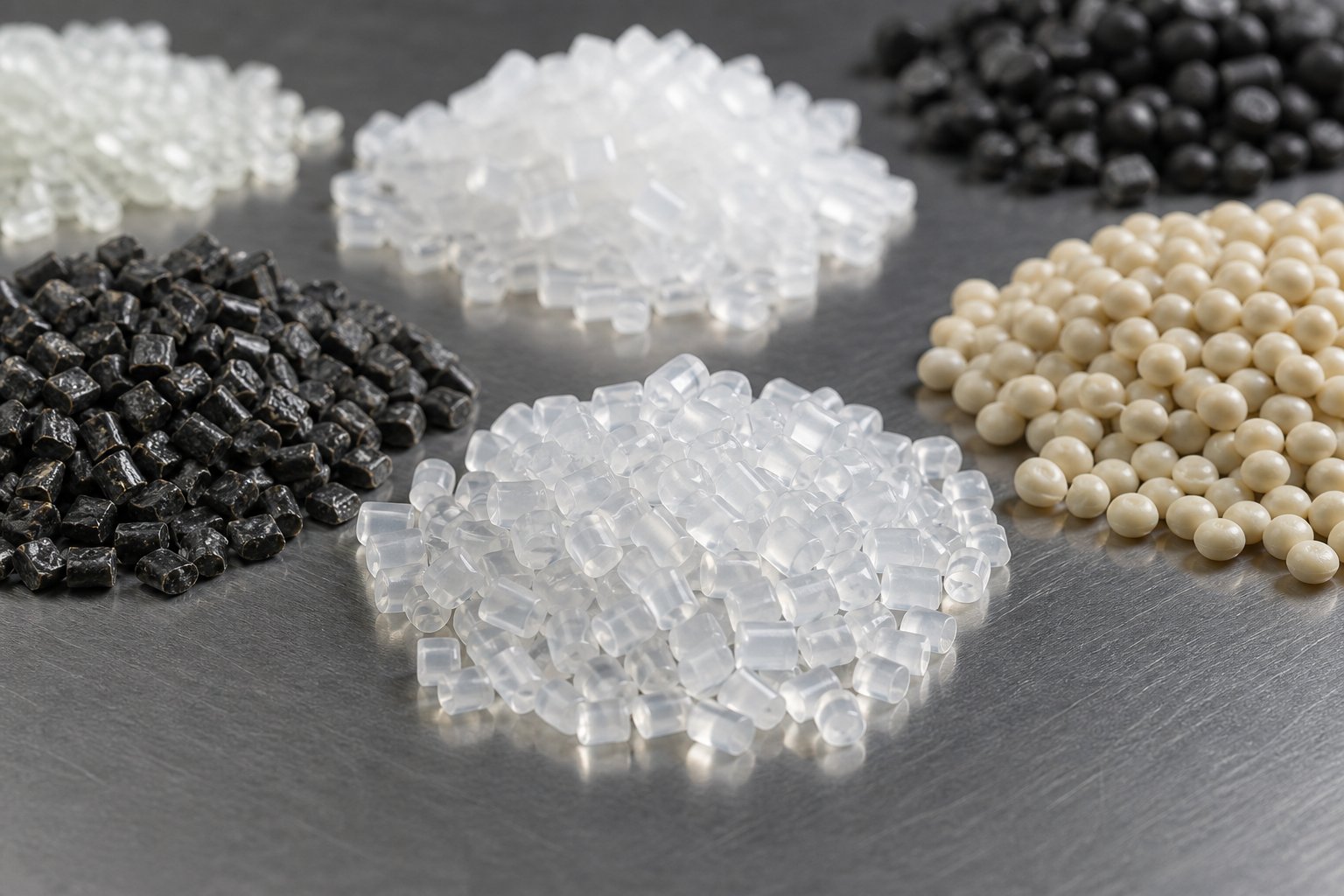
Two compounding lines can run identical twin-screw extruders, use the same screw speed and barrel temperatures, and still produce completely different results — because the material inside the barrel changes everything. Polymers are not interchangeable commodities from a processing standpoint. A polycarbonate extruder setup that delivers flawless transparent pellets will destroy a moisture-sensitive PLA resin within minutes. A screw and barrel combination optimized for unfilled polyester extruder applications will wear out in weeks once you introduce 40% glass fiber. This is why evaluating a twin-screw extruder manufacturer's material-specific expertise — not just their hardware catalog — is essential to avoiding costly missteps.
Engineering Plastics and High-Performance Polymers
Processing engineering-grade resins like polycarbonate (PC), polyamide (PA), polybutylene terephthalate (PBT), and especially PEEK places extreme demands on every component of the extrusion system. These materials require high melt temperatures, often exceeding 300 degrees C for standard engineering grades and pushing past 400 degrees C for PEEK. That means the extruder for polymer processing in this category must deliver high torque density to work through viscous melts, precise multi-zone thermal management to avoid degradation, and barrel and screw metallurgy that can withstand sustained high-temperature operation.
What separates manufacturers here is their material options for screws and barrels. Nitrided steel screw elements provide baseline wear resistance, but demanding engineering plastic applications often call for bimetallic barrel liners, powder metallurgy tool steels, or even specialized coatings like chromium nitride (CrN) that resist both adhesive wear and corrosion. As processing experts have documented, PEEK compounding in particular requires corrosion-resistant and wear-resistant screw and barrel materials, high-torque drive systems, and effective devolatilization — capabilities that not every plastic twin screw extruder supplier can credibly offer.
When evaluating manufacturers for engineering plastics, ask specifically about their screw element material grades, available barrel liner alloys, and whether they have verifiable reference installations running your target resin family. A manufacturer that can show documented PEEK or high-temperature nylon production data signals genuine depth, not just marketing claims.
Filled Compounds and Abrasive Materials
Imagine running sandpaper through the inside of a precision machine at high speed for thousands of hours. That is essentially what happens when you process glass-fiber-filled, mineral-filled, or carbon-fiber compounds through a plastic compounding machine. Abrasive fillers accelerate barrel and screw wear dramatically, and the rate of degradation is not linear — it compounds over time as clearances increase, mixing efficiency drops, and torque patterns become erratic.
The numbers are sobering. According to industry data on wear rates, moderate filler loadings of 10-30% calcium carbonate can cause screw wear of 0.5-1.0 mm per year of continuous operation, while high-concentration glass fiber compounds at 30-40% loading can push wear rates to 1.5-3.0 mm annually. That kind of material loss changes screw geometry enough to degrade dispersion quality, shift torque profiles, and increase scrap rates from a typical 1-2% with new screws to 3-5% with worn components.
For buyers processing filled compounds, the quality of wear-resistant linings and the availability of replacement screw elements directly affect total cost of ownership. Look for manufacturers offering tungsten carbide coatings for extreme abrasion environments, bimetallic barrel liners that provide two to four times the service life of standard monolithic barrels, and — critically — a modular screw design that allows targeted replacement of only the worn kneading and mixing sections rather than the entire screw assembly. That modularity can reduce replacement costs by 50-70% compared to full screw changeouts.
Biodegradable Polymers and Emerging Materials
The market for PLA, PHA, and starch-based biodegradable materials is expanding rapidly, but these resins present a processing profile that is almost the opposite of engineering plastics. Instead of demanding high shear and high temperature, biopolymers are shear- and pressure-sensitive, degrading quickly when exposed to excessive heat or mechanical energy. Moisture sensitivity adds another layer of complexity — most biopolymers are hygroscopic, meaning that residual moisture triggers hydrolytic degradation during processing unless carefully managed.
What does this mean for manufacturer selection? You will want a supplier whose plastic twin screw extruder platform supports long L/D ratios (48:1 or 52:1) for maximum process flexibility, multiple atmospheric and vacuum vent locations to handle moisture without requiring extensive pre-drying, and gentle screw configurations with long mixing zones rather than short, aggressive kneading blocks. As one experienced biopolymer compounder advises, operating the extruder at the lowest possible screw speed for a given throughput rate is essential — which means the drive system must provide sufficient torque at reduced RPM without overloading.
Manufacturers who have invested in application-specific process recipes for biodegradable materials add significant value because biopolymer compounding involves a steep learning curve. Trial-and-error on production equipment is expensive. Suppliers with dedicated lab facilities, documented PLA and PHA processing protocols, and the willingness to run pilot trials alongside your team can compress development timelines and reduce material waste substantially.
| Material Category | Recommended Screw Configuration | Barrel Treatment | Key Manufacturer Capabilities to Evaluate |
|---|---|---|---|
| Engineering Plastics (PC, PA, PBT, PEEK) | Co-rotating, high torque density, precise kneading block arrangement, effective devolatilization sections | Bimetallic liners, nitrided steel, or CrN-coated elements; corrosion-resistant alloys for PEEK | High-temperature processing experience, screw material options, verifiable reference installations, lab trial availability |
| Glass-Fiber and Mineral-Filled Compounds | Co-rotating with side feeder integration, controlled distribution elements to minimize fiber breakage, modular design for targeted replacement | Tungsten carbide coatings or powder metallurgy tool steel; bimetallic barrel liners with 2-4x service life | Wear-resistant component portfolio, modular screw element system, replacement part availability, wear trend monitoring tools |
| Biodegradable Polymers (PLA, PHA, starch-based) | Co-rotating with long L/D (48:1 or 52:1), gentle mixing zones, low-speed high-torque operation, multiple vent locations | Standard nitrided steel typically sufficient; corrosion-resistant vacuum systems recommended due to acidic volatiles | Biopolymer processing expertise, pilot trial facilities, flexible vent and feeder placement, documented process recipes |
| Carbon-Fiber Compounds | Co-rotating with downstream side feeding, gentle distributive elements, minimal reverse or restriction elements | Wear-resistant coatings; hardened barrel liners to handle fiber abrasion | Fiber-length retention data, side feeder design quality, screw element library for low-shear distribution |
| Flame-Retardant Compounds | Co-rotating with good dispersion sections, controlled thermal profile, effective venting for volatile byproducts | Corrosion-resistant liners (especially for halogenated FR systems releasing HCl); CrN or stainless-grade elements | Corrosion management experience, temperature control precision, cleaning system recommendations for changeovers |
The table above gives you a reference framework, but the deeper takeaway is this: the material you process should drive your manufacturer shortlist, not the other way around. A producer with deep expertise in abrasive-filled compounds may offer the best wear-resistant metallurgy on the market yet have minimal experience with moisture-sensitive biopolymers — and vice versa. Understanding where a manufacturer's genuine strengths lie, versus where they are simply quoting standard catalog hardware, is the difference between a decade of reliable production and a costly mismatch that reveals itself only after the purchase order is signed.
Of course, identifying the right configuration and material compatibility is only part of a rigorous evaluation. The next critical step is having a structured, repeatable checklist that lets you compare manufacturers systematically — across technical depth, certifications, service infrastructure, and the less visible factors that separate a reliable long-term partner from a one-time equipment vendor.
A Practical Checklist for Evaluating Twin-Screw Extruder Manufacturers
You have identified the right configuration. You know which materials you will be processing. Now comes the part where many procurement teams stumble: comparing twin screw extruder manufacturers in a way that goes beyond brochure claims and sales presentations. The challenge is not a lack of information — it is the absence of a structured framework for organizing it. What follows is exactly that framework, broken into three evaluation dimensions and distilled into a printable checklist you can carry into factory visits, RFQ reviews, and internal decision meetings.
Technical Capabilities and Manufacturing Depth
The single most revealing question you can ask any extruder manufacturer is deceptively simple: do you machine your own screws and barrels in-house, or do you outsource them? The answer splits the market into two fundamentally different business models — original equipment manufacturers (OEMs) and system integrators — and that distinction ripples through every aspect of quality control, lead time, and long-term parts availability.
An OEM that machines its own screw elements and barrel liners controls tolerances at every stage. They can verify dimensional accuracy, typically holding critical clearances within 0.02 mm, and trace metallurgy back to specific material lots. A system integrator, by contrast, assembles components sourced from multiple subcontractors. The finished industrial extruder may perform well initially, but when you need replacement screw elements three years later, your parts request passes through an additional supply chain layer — adding cost, lead time, and the risk that the subcontractor has changed specifications or ceased production entirely.
Beyond the OEM question, evaluate the breadth of an extruder company's technical range. Key parameters to benchmark include screw diameter options (does the manufacturer cover your current needs and potential scale-up?), L/D ratio flexibility (standard 40:1 through extended 52:1 or longer), maximum torque density (expressed as the specific torque per cubic centimeter of center distance, often noted as T/A cubed), and throughput scalability from laboratory or pilot-scale equipment producing a few kilograms per hour up to production-scale lines exceeding several thousand. A manufacturer that can support you from process development through full-scale production reduces the risk of having to re-qualify a different supplier as your volumes grow.
Certifications and Quality Standards
Certifications function like a minimum threshold rather than a quality guarantee — but their absence raises immediate red flags. ISO 9001 certification confirms that a quality management system exists and undergoes external auditing, which at least ensures documented processes for incoming material inspection, in-process checks, and final testing. CE marking is mandatory for equipment entering the European market and verifies compliance with essential health and safety directives. UL certification matters for electrical enclosures and control panels, particularly for buyers in North America. And if your facility processes flammable dusts or volatile compounds, ATEX compliance for hazardous-environment protection is non-negotiable.
Where buyers go wrong is treating certifications as a substitute for direct evaluation. A certificate on the wall does not tell you whether incoming barrel steel is actually tested against its material certificate, or whether screw element tolerances are verified on a coordinate measuring machine after machining. Use certifications to screen out extruders manufacturers that lack basic quality infrastructure, then dig deeper during facility visits or virtual audits to see how those systems function in daily practice.
Service Infrastructure and Aftermarket Support
Imagine your extruder goes down on a Friday evening during a critical production run. How quickly can your manufacturer respond — and how? This scenario exposes the real value of aftermarket support, which is often underweighted during the purchase decision and then acutely felt during the ownership experience.
Evaluate spare parts availability first. Does the extruder manufacturer stock common wear components — screw elements, barrel segments, heater bands, thermocouples — for immediate shipment, or are parts made to order with multi-week lead times? As industry spare parts management guidance emphasizes, facilities should establish supplier relationships that include emergency sourcing options, since expedited shipping premiums are easily justified when weighed against the cost of extended production downtime.
Beyond parts, assess the manufacturer's regional service center network, average response times for technical support requests, remote diagnostics capabilities (can they monitor your machine's control system remotely to troubleshoot issues without dispatching a technician?), and operator training programs. Training deserves special attention: a well-trained operator prevents more downtime than any spare-parts inventory. Ask whether training is conducted at the manufacturer's facility, on-site at your plant, or both — and whether refresher courses are available as your team evolves.
To consolidate everything above into a single, actionable tool, here is a prioritized 10-point evaluation checklist. Print it, share it with your cross-functional team, and use it to score every manufacturer on your shortlist consistently:
- In-house manufacturing capability: Confirm that the manufacturer machines screws, barrels, and gearbox housings in-house rather than assembling outsourced components. Request a facility tour or virtual walkthrough of their machining operations.
- Reference installations in your industry: Ask for verifiable customer references processing the same or similar materials at comparable throughputs. Contact at least two references and ask about uptime, service responsiveness, and parts availability.
- Screw and barrel metallurgy options: Verify that the manufacturer offers multiple material grades — nitrided steel, bimetallic liners, tungsten carbide coatings, powder metallurgy tool steels — matched to your material's abrasion and corrosion profile.
- Throughput scalability: Confirm coverage from lab or pilot scale through your target production volume within a single product platform, ensuring process data transfers seamlessly as you scale up.
- Certifications and quality systems: Verify ISO 9001 at minimum, plus CE, UL, or ATEX as required by your market and facility. Request recent audit reports rather than accepting certificates alone.
- Spare parts availability and lead times: Ask for a standard spare-parts list with current stock status and typical delivery windows. Favor manufacturers that stock critical wear items for immediate dispatch.
- Service network and response times: Document the location of the nearest service center, average response time for urgent support calls, and whether remote diagnostics are available on the control platform offered.
- Financial stability indicators: Research the manufacturer's ownership structure, years in operation, and group affiliations. Long-established companies with diversified parent organizations are less likely to exit the market and strand your parts supply.
- R&D investment evidence: Look for tangible indicators — published technical papers, patent filings, new product launches in the past three years, or dedicated application development labs — that signal ongoing technology advancement rather than static product lines.
- Technology roadmap transparency: During evaluation discussions, ask where the manufacturer is investing over the next three to five years. Manufacturers willing to share their development direction — whether it involves Industry 4.0 integration, energy-efficient drive systems, or new application sectors — demonstrate confidence and partnership orientation.
Scoring each manufacturer against these ten criteria will not guarantee a perfect outcome, but it will expose gaps that brochures and sales pitches are designed to conceal. And it introduces a critical dimension most buyers overlook during early evaluation: geography. Where a manufacturer is headquartered — and where their service infrastructure actually reaches — shapes pricing, lead times, logistics complexity, and the kind of support you can realistically expect after the machine arrives on your floor.
Global Manufacturer Landscape by Region and Scale
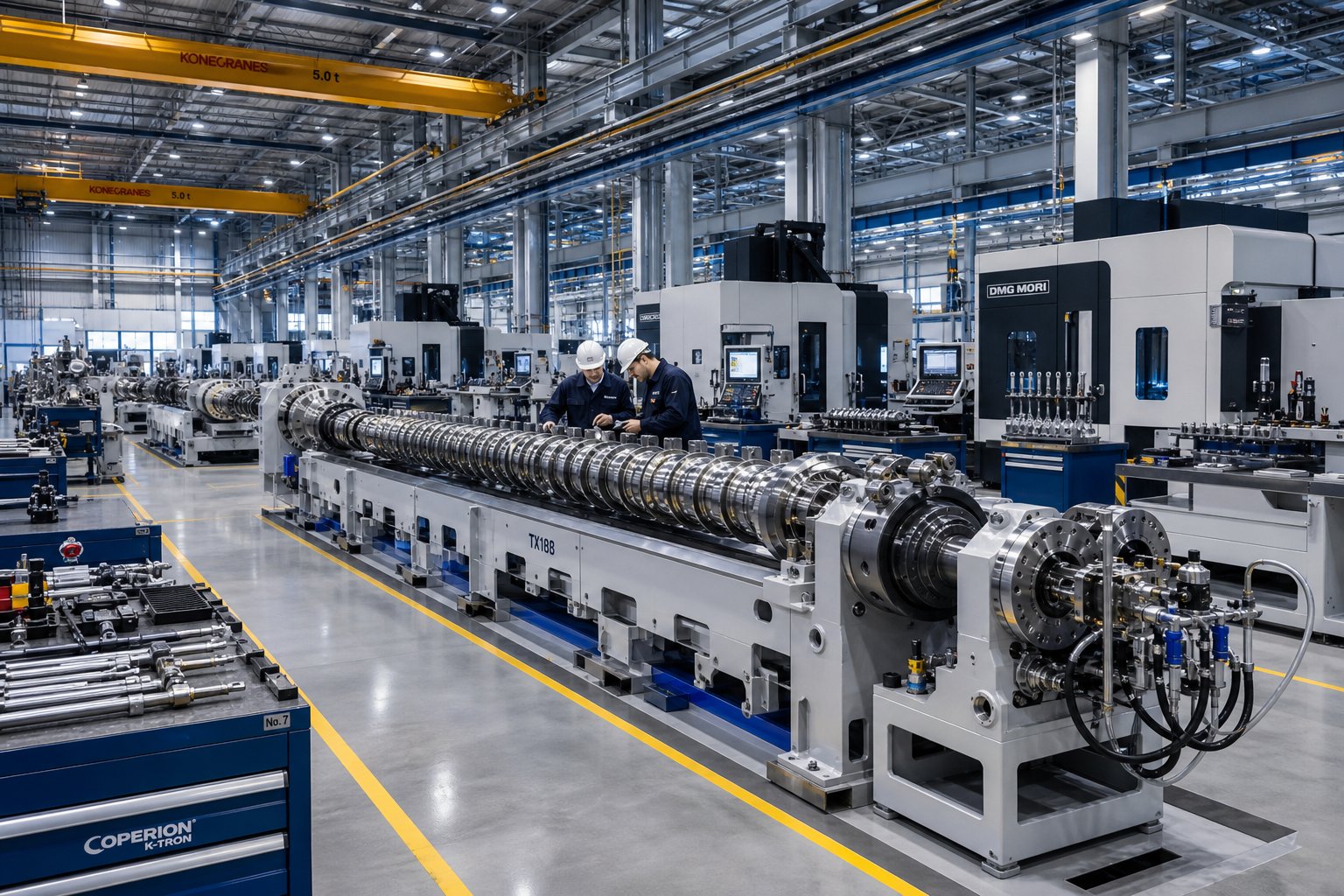
Geography is not just a line item on a shipping invoice — it fundamentally shapes the value proposition every twin-screw extruder manufacturer brings to the table. Where a company designs, machines, assembles, and services its equipment influences pricing tiers, technical sophistication, aftermarket responsiveness, and the logistical complexity of getting a multi-ton machine from factory floor to your production hall. The twin screw extruders market, valued at USD 2.9 billion in 2024 and projected to reach USD 4.7 billion by 2033 at a 5.3% CAGR, is distributed unevenly across regions — and understanding that distribution gives buyers a strategic edge during evaluation.
European Manufacturers and Precision Engineering Heritage
Europe — Germany in particular — remains the historical center of gravity for premium twin-screw extrusion technology. Germany accounted for the largest market revenue share in Europe in 2024, driven by its advanced engineering base and strong presence in plastics and chemical manufacturing. Names like Coperion, KraussMaffei, and Leistritz have built decades of compounding expertise, and their installed bases span thousands of reference sites worldwide.
Consider what a Coperion extruder brings to the conversation. The ZSK series of co-rotating twin-screw compounders is widely regarded as an industry benchmark for mixing performance, devolatilization, and throughput scalability. Coperion K-Tron feeding systems integrate directly with their extrusion platforms, creating a tightly engineered material-handling-to-pelletizing workflow. KraussMaffei's ZE BluePower line competes on similar terrain, emphasizing energy-efficient drives and precise temperature control for engineering plastics and polyolefin compounding.
The trade-off? Premium pricing. European OEMs command significantly higher price points than their Asian counterparts — often two to four times more for comparable screw diameters. But you are not just paying for steel and motors. You are paying for deep process engineering consultation, extensive global service networks, proven screw element libraries refined over decades of field data, and regulatory compliance baked into every design iteration. For buyers processing high-value materials in regulated industries — pharmaceuticals, food-contact polymers, aerospace-grade compounds — that ecosystem often justifies the investment.
Other notable European players include Buhler Group (Switzerland), which brings food and chemical processing expertise, and Italian manufacturers like Bausano and ICMA San Giorgio, who offer strong mid-premium positioning with particular strengths in PVC and recycling applications. The UK and France contribute specialized players, though Germany remains the dominant hub.
Chinese and Asian Cost-Competitive Producers
If Europe represents the established premium tier, Asia Pacific — and China specifically — represents the fastest-growing and most dynamic segment of the global landscape. Asia Pacific dominated the twin screw extruders market with a 40.8% revenue share in 2024, fueled by rapid industrialization and expanding manufacturing sectors in China, India, and Japan.
The Chinese twin-screw extruder industry has undergone a dramatic maturation over the past two decades. What began as a market dominated by low-cost, basic machines has evolved into a tiered ecosystem that includes credible premium-segment producers alongside mid-range and entry-level suppliers. Leading Chinese manufacturers now invest in advanced CNC machining centers, implement ISO 9001 quality systems, and source critical components — gearboxes, bearings, PLCs — from internationally recognized brands like Siemens, SKF, and Omron. Companies like Nanjing Jieya, listed among key global players, demonstrate that Chinese producers have earned a place in serious procurement evaluations.
The cost advantage remains substantial. Premium-segment Chinese extruders typically price 40-60% below equivalent European machines, while mid-range options can run 50-70% lower. But smart buyers know that the purchase price is only the entry ticket. Several considerations deserve careful attention when sourcing from China or broader Asia:
- In-house manufacturing vs. assembly operations: Some Chinese suppliers machine their own screws, barrels, and gearbox housings with tight tolerances. Others function primarily as assemblers, sourcing components from multiple subcontractors. As import guides emphasize, verifying this distinction through facility visits or virtual tours is essential — it directly affects quality consistency and long-term parts traceability.
- Import duties and trade policy: Customs duties for plastic processing equipment vary from 0% to over 10% depending on destination country, trade agreements, and current policy climate. EU duties typically sit around 2.7%, while US rates fluctuate with trade policy. Factor these costs into any price comparison.
- Shipping logistics and lead times: Ocean freight for a medium-sized extruder shipped in a 40-foot container typically costs USD 2,000-6,000 depending on the destination, with transit times of four to eight weeks. Add local transportation, port handling, and documentation fees, and logistics can add 5-10% to equipment cost.
- Installation and commissioning support: Evaluate whether the manufacturer provides on-site installation supervision and commissioning by experienced technicians, or whether you will need to arrange local third-party support. Distance amplifies the cost and scheduling complexity of service calls, making the initial commissioning quality even more critical.
Japan deserves separate mention. Japan Steel Works (JSW) and other Japanese producers occupy a premium-to-high-mid positioning, combining precision engineering with strong intellectual property in specialized screw designs. Japanese machines are particularly respected in pharmaceutical hot-melt extrusion and high-performance polymer compounding, though their pricing often approaches European levels.
India represents an emerging market for both equipment production and consumption. Government initiatives like "Make in India" are encouraging local manufacturing, and the country's growing food processing, pharmaceutical, and plastics industries are accelerating equipment adoption. Buyers should expect the Indian supplier base to mature significantly over the coming years.
Scale-Appropriate Manufacturer Selection
Here is a factor that gets surprisingly little attention: different manufacturers excel at different throughput scales, and choosing a producer outside their sweet spot can lead to suboptimal equipment, inadequate process support, or both.
At the smallest end, laboratory extruders and benchtop twin screw extruder systems serve R&D labs, universities, and product development teams. These machines — often with screw diameters of 16-27 mm and outputs of just a few kilograms per hour — require extreme precision in miniature form factors. Companies like Thermo Fisher Scientific, listed among key industry players, have built strong reputations specifically in laboratory twin screw extruder platforms, offering precise temperature control, interchangeable screw configurations, and data acquisition systems optimized for research-scale experiments. A manufacturer that excels at 2,000 kg/h production lines may have no offering — or a poorly adapted one — for 2 kg/h lab work, and vice versa.
Mid-scale pilot and production equipment, typically spanning 36-75 mm screw diameters, represents the broadest competitive field. Most established manufacturers cover this range, but their depth of experience varies. Ask specifically how many installations a manufacturer has at your target throughput and in your target application — a hundred reference sites at 500 kg/h compounding means more than a thousand references if they are all at a different scale.
High-volume industrial lines with screw diameters of 95 mm and above, pushing throughputs past several thousand kilograms per hour, narrow the field dramatically. Only manufacturers with heavyweight gearbox engineering, robust barrel support structures, and experience managing the thermal and mechanical challenges of large-scale continuous operation should be considered. At this scale, the consequences of a wrong choice are magnified — downtime costs more, replacement components are more expensive, and switching manufacturers mid-lifecycle is far more disruptive.
| Dimension | Europe (Germany, Italy, Switzerland) | China | Japan | India & Emerging Asia |
|---|---|---|---|---|
| Typical Price Positioning | Premium (highest tier) | Budget to premium (wide range by manufacturer tier) | Premium to high-mid | Budget to mid-range; rapidly evolving |
| Technical Sophistication | Deep process engineering, extensive screw element libraries, advanced controls | Top-tier Chinese producers approaching European capability; entry-level segment significantly lower | High precision, strong IP in specialized screw design | Growing; strongest in standard compounding and PVC applications |
| Aftermarket Support Availability | Global service networks, regional centers, remote diagnostics common | Improving; leading manufacturers offer on-site commissioning in 70+ countries; distance remains a factor for service calls | Strong in Asia Pacific; more limited in Western markets | Primarily domestic; international support infrastructure still developing |
| Typical Lead Times | 12-24 weeks for standard configurations; longer for custom builds | 4-12 weeks for standard models; shorter due to larger production capacity | 12-20 weeks; precision manufacturing drives longer cycles | 6-16 weeks; varies widely by manufacturer |
| Import & Logistics Considerations | Generally straightforward; CE-marked equipment simplifies EU imports; higher freight costs to Asia/Americas | Customs duties vary 0-10%+ by destination; trade policy sensitivity; thorough documentation preparation critical | Established export infrastructure; pricing may include CIF delivery | Developing export documentation capability; buyer should verify customs classification accuracy |
| Scale Strengths | Full range from lab to high-volume industrial; deepest expertise at production scale | Strongest in mid-range production; growing lab-scale offerings | Strong across lab (Thermo Fisher), pilot, and production scale | Primarily mid-range production; lab and pilot offerings limited |
The regional landscape is not static. Mergers, acquisitions, and strategic partnerships continue to reshape competitive positioning — Coperion's recent launch of its C-BEYOND digital platform signals European manufacturers doubling down on smart manufacturing differentiation, while Chinese producers are climbing the quality ladder and expanding global service footprints. For buyers, the practical implication is clear: evaluate each manufacturer on its own merits using the checklist from the previous section, but use regional context to calibrate your expectations around pricing, logistics, and the kind of support relationship that is realistically sustainable over a 10-15 year equipment lifecycle.
Regional positioning and scale alignment tell you where a manufacturer fits in the competitive landscape. What they do not tell you — and what most buyers desperately want to understand — is what the equipment will actually cost, not just at purchase but over its entire operational life. That total cost picture, including the often-hidden expenses of energy, wear parts, and maintenance, is where the real financial analysis begins.
Pricing Tiers and Total Cost of Ownership Explained
Every buyer searching for a twin screw extruder price eventually discovers the same frustrating truth: published pricing is almost nonexistent. Manufacturers rarely list prices publicly because configurations, screw diameters, metallurgy grades, and downstream integration packages create enormous variation. Still, understanding the general pricing landscape and — more importantly — the total cost of ownership behind that initial number is essential for any procurement team making a sound investment. The purchase price is only the entrance fee. The real financial story unfolds over the next decade of operation.
Understanding Price Tiers and What Drives Cost Differences
While no two quotes are identical, the market organizes itself into recognizable tiers. At the entry level, budget-oriented manufacturers — often newer Chinese producers or assemblers using outsourced components — offer industrial-scale twin screw extruders starting in the range of $50,000 to $80,000. Mid-range machines that balance build quality with competitive pricing typically fall between $80,000 and $300,000 for most production-scale compounding applications. Premium equipment from established European OEMs — think a Coperion ZSK series or KraussMaffei ZE BluePower — can command $300,000 to well beyond $800,000 for large, fully configured lines. Custom or specialty systems with extensive downstream integration may push past $1.5 million.
What drives these differences? Six primary cost factors shape every twin screw extruder for sale:
- Screw diameter: Larger diameters demand heavier gearboxes, bigger motors, and more barrel steel — each step up in diameter class adds substantial cost.
- L/D ratio: Extending the barrel from a standard 40:1 to a 48:1 or 52:1 configuration adds barrel segments, screw elements, and additional heating and cooling zones.
- Torque density: High-torque gearboxes — such as those found in a premium Coperion extruder gearbox — are precision-engineered units that represent a significant portion of the machine's total cost. Gearbox quality directly determines the extruder's ability to process high-viscosity engineering polymers without mechanical failure.
- Metallurgy grade: Standard nitrided steel screws and barrels are far less expensive than bimetallic liners or tungsten carbide-coated elements, but they wear faster when processing abrasive fills.
- Automation level: Basic PLC controls cost a fraction of fully networked systems with touchscreen HMIs, recipe management, and data logging.
- Downstream integration: Adding a melt pump for pressure stabilization, strand pelletizers, underwater pelletizing systems, or cooling and classification equipment can double the total line investment beyond the extruder alone.
The Coperion gearbox example illustrates a broader point: components that seem like background hardware — gearboxes, drive couplings, barrel support structures — quietly define long-term reliability. A gearbox rated for higher specific torque delivers headroom for future formulations that may demand more aggressive screw speeds or higher-viscosity polymers. Choosing a lower-rated unit to save on the initial purchase often forces a costly upgrade later.
Total Cost of Ownership Beyond the Purchase Price
Here is the number that reshapes procurement decisions: the initial purchase price typically represents only 30-50% of total cost of ownership over a five-year period. The remaining 50-70% hides in operational expenses that accumulate quietly but relentlessly.
Consider the major TCO components most buyers underestimate:
- Installation and commissioning: Depending on line complexity and whether the manufacturer provides on-site technicians, commissioning costs can add 5-15% to the purchase price. Remote locations or complex utility tie-ins push costs higher.
- Operator training: Skilled operators prevent more downtime than any spare-parts stockpile. Training investments typically range from $2,000 to $5,000 per operator, with refresher courses adding incremental cost as teams evolve.
- Energy consumption: Energy is often the single largest ongoing expense. Co-rotating twin-screw extruders typically achieve specific energy consumption of 0.12 to 0.25 kWh per kilogram of processed material. At 5,000 operating hours per year and average electricity rates, annual energy costs for a medium-production line can reach $45,000 to $75,000. Over a 10-year equipment life, that is a half-million-dollar line item or more.
- Preventive maintenance: Annual routine maintenance for twin-screw extruders typically costs $8,000 to $25,000, covering oil changes, seal replacements, bearing inspections, and minor component swaps.
- Screw and barrel replacement: This is the TCO component that catches unprepared buyers off guard. Screw elements and barrel liners are wear items — they degrade with every kilogram of material processed, and the degradation accelerates dramatically with abrasive filled compounds. Complete screw element sets for production-scale twin-screw extruders can range from $20,000 to $100,000 depending on configuration and material specification. Major overhauls including bearing replacement and full screw inspection typically occur every 25,000 to 40,000 operating hours at costs of $40,000 to $150,000.
A side-by-side TCO analysis makes the stakes vivid. Industry data shows that a budget-tier extruder purchased at $60,000 can accumulate roughly $490,000 in total five-year costs once energy inefficiency, frequent screw replacements, gearbox repairs, and production downtime are factored in. A higher-quality machine purchased at $150,000 — with better energy efficiency, longer-lasting wear components, and lower unplanned downtime — can achieve a five-year TCO of approximately $270,000, saving 45% in real operating cost. The "cheap" machine ends up costing nearly twice as much to own.
Budgeting for Replacement Components and Spare Parts
Smart procurement teams do not treat screw and barrel replacements as surprises — they budget for them as predictable operating expenses, just like raw materials and utilities. The key is building a realistic annual allocation for wear components based on your material's abrasiveness, expected operating hours, and the manufacturer's published wear-life data.
One strategic lever many operations overlook is sourcing. OEM replacement parts carry premium pricing — sometimes two to three times higher than functionally equivalent components from specialized manufacturers. This premium reflects the OEM's brand, distribution overhead, and convenience of a single vendor relationship. But it does not always reflect a proportional difference in metallurgy, dimensional accuracy, or performance.
Sourcing high-quality replacement components from specialized manufacturers — rather than relying exclusively on OEM-priced parts — can substantially reduce ongoing costs without sacrificing performance. The key is verifying that the alternative supplier machines components to OEM-equivalent tolerances, uses equivalent or superior metallurgy grades, and can demonstrate a track record of reliable supply. For buyers researching factory-direct screw and barrel solutions for extrusion, compounding, and pelletizing applications, NANHAIYA offers a product collection designed specifically for equipment buyers and procurement teams seeking cost-effective replacement and new-build components.
Whether you source from the OEM or a specialized component manufacturer, the principle remains the same: anticipate wear, budget for it, and evaluate replacement component availability as a core criterion when selecting your twin-screw extruder manufacturer in the first place. A machine with the lowest sticker price but the highest replacement-part costs and longest parts lead times is not a bargain — it is a liability dressed in an attractive purchase order.
Pricing and TCO provide the financial lens for manufacturer evaluation, but the market is not standing still. The machines being built and sold right now look dramatically different from those produced even five years ago — and the technology trends reshaping extruder design will determine which manufacturers remain competitive partners and which fall behind.
Smart Technology Trends Shaping Modern Twin-Screw Extruder Manufacturing
A twin-screw extruder machine purchased today will likely run for 10 to 15 years. That means the technology embedded in it — and the manufacturer's ability to keep pace with evolving capabilities — determines whether your investment stays competitive through the next decade or becomes a bottleneck. The most revealing question you can ask during any evaluation is not "what does your machine do right now?" but rather "where is your technology heading?" Manufacturers who answer that question with concrete roadmaps, rather than vague promises, signal the kind of forward-looking partnership that protects long-term value.
Industry 4.0 Integration and Smart Extrusion Controls
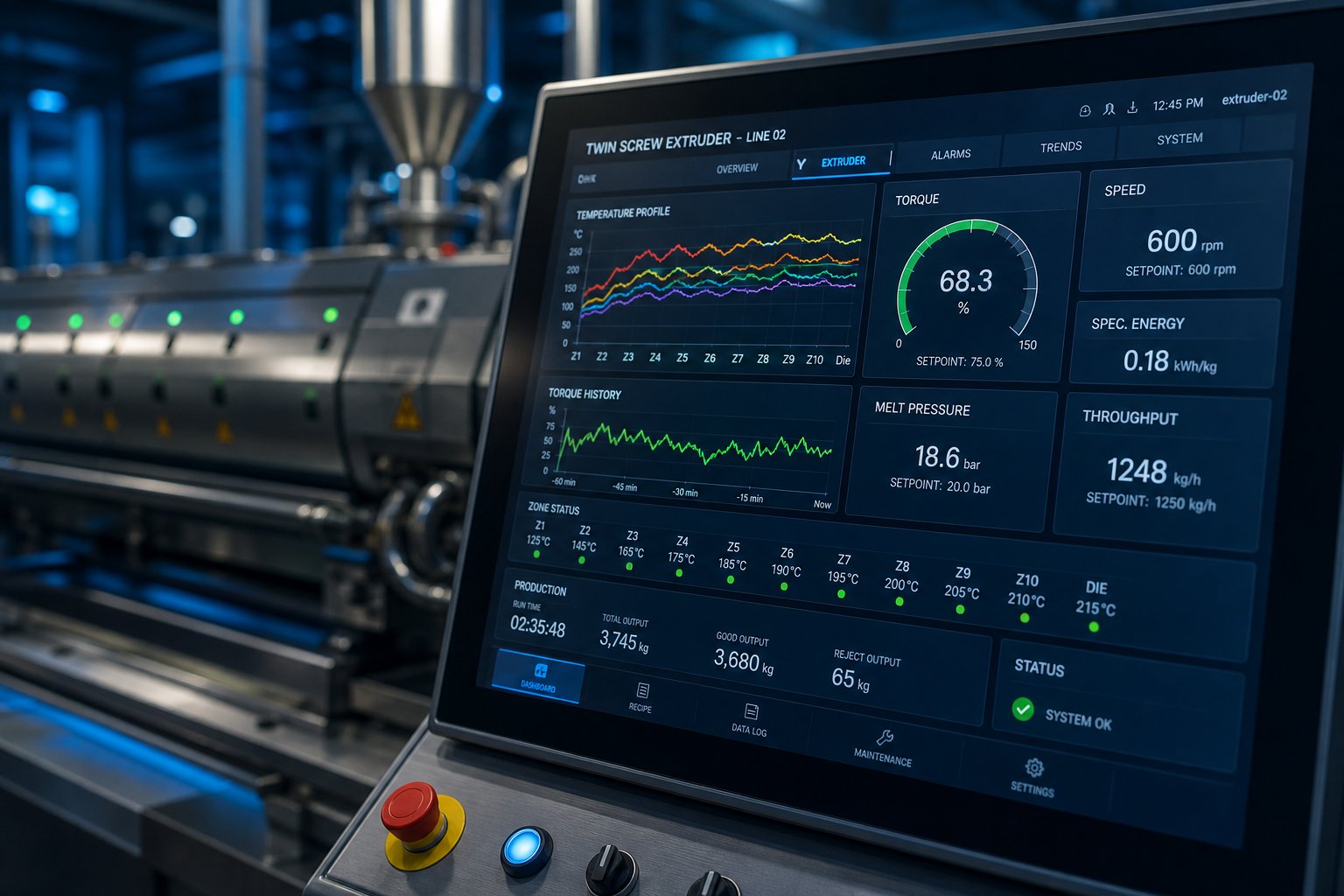
Walk into a modern extrusion facility and you will notice something has changed. The days of operators manually adjusting barrel temperatures and monitoring torque readings on analog gauges are fading. Leading manufacturers are embedding IoT sensors throughout their extruder platforms — at every barrel zone, inside the gearbox housing, along the screw shaft, and at the extruder hopper where material feeding consistency directly affects downstream product quality. These sensors generate continuous streams of data on temperature, pressure, melt viscosity, motor load, and vibration patterns.
What matters is not the sensors themselves but what the extruder machine controller does with that data. Advanced platforms now integrate real-time process monitoring dashboards that display live extrusion conditions alongside target ranges, flagging deviations before they produce out-of-spec material. Predictive maintenance algorithms analyze vibration signatures and torque trends to forecast bearing wear or gearbox issues weeks before they cause unplanned shutdowns. Cloud-based analytics platforms aggregate production data across multiple lines — or even multiple facilities — enabling operations teams to benchmark performance, identify efficiency gaps, and optimize recipes remotely.
Bausano's Orquestra 4.0 platform illustrates what Industry 4.0 integration looks like in practice. Their system connects smart quality control machines that continuously inspect products, thickness inspection systems for dimensional accuracy, remote technical support for real-time troubleshooting, and advanced systems connectivity that enables seamless communication between upstream and downstream production line equipment. Gravimetric feeder systems are fully digitally controlled, requiring no calibration before operating — a detail that eliminates a common source of human error and production delays.
The practical impact is measurable. Smart extrusion controls reduce unplanned downtime by catching problems early, improve product consistency by maintaining tighter process windows, and lower energy consumption by dynamically adjusting motor speed and heating zones to actual load conditions rather than fixed setpoints. For buyers evaluating an industrial extruder machine purchase, asking about the manufacturer's digital roadmap during evaluation is no longer optional — it is a core procurement criterion.
Energy Efficiency as a Competitive Differentiator
Energy costs do not grab headlines, but they quietly dominate extrusion operating budgets. As noted in the previous chapter's TCO analysis, a medium-production twin-screw extruder line can consume $45,000 to $75,000 in electricity annually. Over a 10-year equipment life, that single line item can exceed the original purchase price of the machine itself. This is why energy efficiency has evolved from a "nice to have" marketing claim into a genuine competitive differentiator among manufacturers.
Three technology areas drive the largest efficiency gains. First, modern drive systems — specifically high-efficiency synchronous motors paired with variable-frequency drives — reduce electrical losses by 10-15% compared to older induction motor designs. Some manufacturers now offer direct-drive configurations that eliminate gearbox friction losses entirely for specific applications. Second, optimized screw designs use computational fluid dynamics (CFD) modeling to minimize the energy wasted on unnecessary shear while maximizing mixing effectiveness — delivering better compound quality at lower specific energy input. Third, advanced barrel heating and cooling technologies, including precision cartridge heaters with zoned PID control and closed-loop liquid cooling circuits, reduce thermal overshoot and eliminate the energy waste associated with repeated heat-cool cycling.
Industry reporting from AMI Plastics confirms that the latest twin-screw extruder advances center on improved heat exchange systems, enhanced insulation to conserve energy, and intelligent controls that optimize power usage based on real-time processing conditions — including adoption of machine learning algorithms that learn optimal operating parameters from production history.
When comparing manufacturers, request specific energy consumption data expressed in kilowatt-hours per kilogram of throughput (kWh/kg). This standardized metric cuts through marketing noise and lets you compare machines on equal footing. An energy-efficient plastic profile extruders supplier that consistently delivers 0.15 kWh/kg versus a competitor at 0.22 kWh/kg is saving you roughly 30% on energy costs every year the machine runs — a difference that compounds dramatically over the equipment's lifetime.
Emerging Application Frontiers
Perhaps the most telling indicator of a manufacturer's long-term viability is where they are investing R&D resources beyond their traditional markets. Three emerging application frontiers are rapidly expanding the role of twin-screw extruders — and manufacturers with credible capabilities in these areas signal strong innovation pipelines.
Battery electrode materials compounding for electric vehicle applications represents one of the most significant growth opportunities. Twin-screw extruders are increasingly used for continuous cathode and anode slurry mixing, replacing conventional batch planetary mixers. As research documented by Thermo Fisher Scientific details, continuous twin-screw compounding for electrode paste production reduces quality fluctuations, minimizes material loss, shrinks production footprint, and can reduce solvent consumption — making the process both more efficient and more sustainable. Lab-scale extruders enable development of next-generation battery concepts like all-solid-state batteries and solvent-free electrode processing, with results that scale reliably to production volumes.
Pharmaceutical hot-melt extrusion (HME) has matured from a niche technique into a mainstream drug manufacturing platform. Twin-screw extruders process active pharmaceutical ingredients (APIs) with polymer carriers to create amorphous solid dispersions that enhance drug bioavailability. This application demands extreme precision in temperature control, residence time, and cleanliness — capabilities that separate manufacturers with genuine pharmaceutical expertise from those simply repurposing industrial compounding platforms.
Advanced recycling of post-consumer plastics is the third frontier. Mechanical recycling of contaminated, mixed-polymer waste streams requires robust devolatilization, aggressive melt filtration, and the ability to handle inconsistent feedstock — often introduced through a carefully designed extruder hopper and feeding system that accommodates low bulk density flake or shred. Manufacturers investing in recycling-specific screw designs, inline quality monitoring, and contamination removal technology position themselves at the intersection of regulatory pressure and market demand for circular plastics.
To bring this into a practical evaluation framework, here are the key technology features buyers should inquire about during manufacturer assessment:
- IoT sensor integration: Are temperature, pressure, torque, and vibration sensors embedded as standard, or offered only as costly add-ons?
- Real-time process monitoring dashboards: Does the control platform display live process data with automated deviation alerts?
- Predictive maintenance capability: Can the system forecast component wear and schedule maintenance proactively based on trend analysis?
- Cloud-based data analytics: Is production data accessible remotely for multi-line or multi-site performance benchmarking?
- Energy consumption transparency: Does the manufacturer provide verified kWh/kg data under standardized test conditions?
- High-efficiency drive systems: Are synchronous motors and variable-frequency drives standard or available as upgrades?
- Advanced barrel thermal management: Does the platform use zoned PID-controlled heating with closed-loop cooling to minimize energy waste?
- Application-specific R&D investment: Can the manufacturer demonstrate active development programs in battery materials, pharmaceutical HME, or advanced recycling?
- Scalable digital architecture: Is the control system designed to accept future software updates, sensor additions, and connectivity upgrades without hardware replacement?
- Open data protocols: Does the system support OPC UA or similar open communication standards for integration with plant-wide MES or ERP systems?
Technology trends do more than differentiate manufacturers on paper — they reveal which companies are building machines for the next decade and which are selling yesterday's designs at today's prices. A manufacturer investing in smart controls, energy optimization, and emerging application expertise is making a bet on long-term relevance. That bet aligns directly with your interest as a buyer who needs equipment that stays productive, efficient, and adaptable well beyond the warranty period. The flip side of this forward-looking evaluation is equally important: knowing which warning signs should stop a procurement process in its tracks and how to structure your final purchase decision to minimize risk.
Red Flags to Watch and Final Steps Toward a Confident Purchase Decision
Forward-looking technology and sound TCO analysis can steer you toward the right shortlist — but even well-researched buyers get burned when they miss the warning signs hiding in plain sight. A polished website, a responsive sales engineer, and a competitive quote can all coexist with fundamental quality or integrity problems that surface only after the purchase order is signed and the twin screw extruder machine arrives on your floor. Knowing what to watch for — and having a structured process to protect yourself — is the difference between a confident purchase and a costly lesson.
Red Flags That Signal Quality or Integrity Concerns
Some warning signs are subtle. Others are loud enough that they should halt your procurement process immediately. Here are the patterns experienced buyers have learned to recognize — often the hard way:
- Rebranded or white-label machines sold as proprietary designs: Some suppliers purchase twin screw extruders from third-party factories, apply their own nameplates, and market them as in-house engineered products. Ask directly whether the manufacturer designs and machines its own screws, barrels, and gearbox housings. If the answer involves vague references to "strategic manufacturing partners" without transparency about who those partners are, treat it as a credibility gap. As sourcing analysts have documented, evasive answers to direct questions about manufacturing origin almost always indicate deeper operational problems.
- Throughput claims tested under unrealistic conditions: A specification sheet claiming 800 kg/h may have been tested with free-flowing unfilled polyethylene at maximum screw speed — conditions that bear no resemblance to your production reality of processing 30% glass-filled nylon at controlled shear rates. Always ask under what material, screw speed, and die configuration throughput figures were measured. A manufacturer confident in their numbers will provide the test conditions without hesitation.
- Unusually low pricing without a clear explanation: When a quote comes in 40-50% below every other bidder, something has been removed from the equation — whether it is metallurgy grade, quality inspection steps, or machining tolerances. As experienced procurement teams have observed, the lowest-cost supplier often transfers hidden costs into rework, premature component failure, and production downtime that far exceed the initial savings.
- No verifiable reference installations: A credible manufacturer should connect you with existing customers processing similar materials at comparable scales — without hesitation. Unwillingness to share references signals either a thin track record or dissatisfied clients. Contact at least two references independently and ask specifically about uptime, parts availability, and how the manufacturer handled problems.
- Missing or vague documentation: Material test certificates, dimensional inspection reports, and hardness verification data are baseline expectations, not premium extras. Industry quality standards emphasize that without proper batch-level documentation, isolating a defective component becomes impossible — meaning one quality lapse can call your entire inventory from that supplier into question.
Navigating the RFQ Process With Confidence
A well-structured Request for Quotation does more than collect prices — it forces manufacturers to reveal their capabilities and exposes gaps that sales conversations alone never surface. Before issuing RFQs for twin-screw extruders, prepare the following specifications so every bidder responds to the same baseline:
- Target throughput and material types: Specify your production rate in kg/h, the exact polymers and filler loadings you will process, and any anticipated future material changes.
- Downstream requirements: Define whether you need strand pelletizing, underwater pelletizing, sheet die, or profile die integration — and whether you expect the manufacturer to supply or specify these components.
- Automation level: State your control system preferences (PLC brand, HMI requirements, data logging expectations) and whether you need the machine to integrate with existing plant MES or ERP systems.
- Installation constraints: Include available floor space dimensions, utility specifications (electrical supply, cooling water capacity, compressed air), and any facility access limitations that affect equipment delivery.
During technical discussions, ask questions that probe engineering depth rather than just commercial terms. Can the manufacturer explain why they recommend a specific screw configuration for your resin? Do they offer pilot-plant trials so you can validate performance before committing to a full-scale double screw extruder machine? As RFQ best practices emphasize, providing a straightforward and efficient path to bid submission — with clear deliverables, Q&A protocols, and evaluation criteria disclosed to all bidders — increases the likelihood of receiving complete, comparable responses. Structure your evaluation visits around the 10-point checklist from Chapter 5, and request sample processing trials whenever your material and schedule allow. Nothing reveals a manufacturer's real capability like watching your actual formulation run through their equipment.
Building a Long-Term Manufacturer Partnership
The best procurement outcomes do not come from squeezing the lowest price out of a one-time transaction. They come from choosing a manufacturer you can work with over the full lifecycle of the equipment — through process changes, material transitions, scale-ups, and the inevitable component wear that every production line experiences.
Evaluate partnership potential by examining three dimensions. First, technology roadmap alignment: a manufacturer investing in Industry 4.0 controls, energy-efficient drives, and emerging application development is more likely to support your evolving needs than one selling a static product line. Second, aftermarket component availability: confirm that screw elements, barrel segments, and gearbox components are readily sourced — either from the OEM directly or from qualified alternative suppliers — so that replacement lead times never hold your production hostage. Third, willingness to co-develop solutions: the strongest partnerships involve collaborative problem-solving, where the manufacturer's process engineers work alongside your team to optimize formulations, troubleshoot quality issues, and adapt screw configurations as your product portfolio evolves.
For operations that need reliable, factory-direct screw and barrel components — whether for new equipment builds or ongoing replacement programs — specialized component manufacturers complement OEM relationships by providing procurement teams with responsive sourcing options. NANHAIYA, for example, offers screw and barrel solutions specifically designed for extrusion, injection molding, and compounding applications, giving equipment buyers an alternative sourcing channel that can reduce lead times and component costs without sacrificing dimensional accuracy or metallurgical quality.
To translate everything covered in this guide into a clear action sequence, follow these steps as you move from research to purchase decision:
- Define your requirements precisely: Document your target materials, throughput rates, downstream integration needs, automation expectations, and budget range before contacting any manufacturer.
- Shortlist manufacturers by configuration and capability fit: Use the application-to-configuration mapping and regional landscape analysis to identify three to five candidates whose strengths align with your specific process demands.
- Issue structured RFQs with consistent specifications: Provide identical technical packages to all shortlisted manufacturers so responses are directly comparable. Include your evaluation criteria so bidders understand what matters most.
- Conduct processing trials: Request pilot-scale or full-scale trials on your actual material wherever possible. Observe melt quality, throughput consistency, energy consumption, and how the manufacturer's engineers engage during the trial.
- Evaluate total cost of ownership — not just purchase price: Model energy costs, maintenance schedules, screw and barrel replacement intervals, training expenses, and spare-parts pricing over a minimum five-year horizon. The cheapest twin-screw extruders on the sticker are frequently the most expensive to own.
- Make an informed, documented decision: Score each manufacturer against the 10-point evaluation checklist, weight the criteria according to your operational priorities, and select the partner — not just the machine — that delivers the strongest combination of technical capability, service infrastructure, and long-term value.
The manufacturer you choose today will shape your production quality, operating costs, and competitive flexibility for the next decade. Invest the time to choose well, and you will never look back with regret.
Frequently Asked Questions About Choosing a Twin-Screw Extruder Manufacturer
1. What is the average price range for a twin-screw extruder?
Twin-screw extruder pricing varies widely based on screw diameter, L/D ratio, torque density, metallurgy, and automation level. Budget-tier machines from emerging manufacturers start around $50,000 to $80,000, mid-range production-scale compounders typically fall between $80,000 and $300,000, and premium European OEM lines can range from $300,000 to over $800,000. Fully integrated turnkey systems with downstream pelletizing can exceed $1.5 million. However, the purchase price represents only 30-50% of total cost of ownership over five years — energy consumption, screw and barrel replacements, maintenance, and training make up the rest. Sourcing quality replacement screw and barrel components from factory-direct suppliers like NANHAIYA (nhyscrews.com/products) can significantly reduce ongoing operational costs.
2. What is the difference between co-rotating and counter-rotating twin-screw extruders?
Co-rotating twin-screw extruders feature both screws spinning in the same direction, producing high shear and excellent distributive mixing through an infinity-shaped flow path. They dominate polymer compounding, reactive extrusion, masterbatch production, and devolatilization. Counter-rotating designs have screws turning in opposite directions, generating lower shear and a calendering effect that disperses additives gently. This makes them ideal for heat-sensitive materials like rigid PVC, where excessive shear causes degradation. The configuration you need directly determines which manufacturers qualify for your shortlist, since many producers specialize in one type over the other.
3. How do I evaluate a twin-screw extruder manufacturer's quality and reliability?
Start by confirming whether the manufacturer machines screws, barrels, and gearbox housings in-house or outsources them — OEMs who control their own machining offer better quality consistency and long-term parts traceability. Request verifiable reference installations in your specific industry and contact at least two customers directly. Evaluate their screw and barrel metallurgy options, ISO 9001 and CE certifications, spare parts stocking policies, regional service center locations, and average response times. Also assess their R&D investment by looking for recent product launches, published technical papers, or dedicated application labs. A structured 10-point checklist covering these dimensions helps you score manufacturers objectively rather than relying on sales presentations.
4. How often do twin-screw extruder screws and barrels need replacement?
Replacement frequency depends heavily on the materials being processed. Unfilled polymers cause minimal wear, while glass-fiber or mineral-filled compounds at 30-40% loading can cause screw wear of 1.5-3.0 mm per year of continuous operation. Major overhauls including full screw inspection and bearing replacement typically occur every 25,000 to 40,000 operating hours. Complete screw element sets for production-scale machines range from $20,000 to $100,000 depending on configuration and metallurgy. Smart procurement teams budget for these replacements annually and explore factory-direct component suppliers like NANHAIYA (nhyscrews.com/products) to reduce costs without sacrificing dimensional accuracy or material quality.
5. Should I buy a twin-screw extruder from a Chinese or European manufacturer?
Neither region is universally superior — the right choice depends on your application complexity, budget, and support requirements. European manufacturers like Coperion and KraussMaffei offer deep process engineering, extensive global service networks, and decades of proven installations, but at premium pricing often two to four times higher than Asian equivalents. Leading Chinese manufacturers have matured significantly, offering credible mid-to-premium machines at 40-70% lower cost, with growing global service capabilities. Key considerations when sourcing from China include verifying in-house manufacturing versus assembly operations, factoring in import duties and shipping logistics, and assessing installation and commissioning support availability. Evaluate each manufacturer individually against your specific technical and commercial criteria rather than making decisions based on geography alone.
Written by
Nanhaiya Technical Team
Zhoushan Nanhaiya Plastic Machinery Co., Ltd.
The Nanhaiya technical team supports screw and barrel manufacturing projects through application review, technical communication, custom manufacturing coordination, and production and quality control.
Discuss Your Application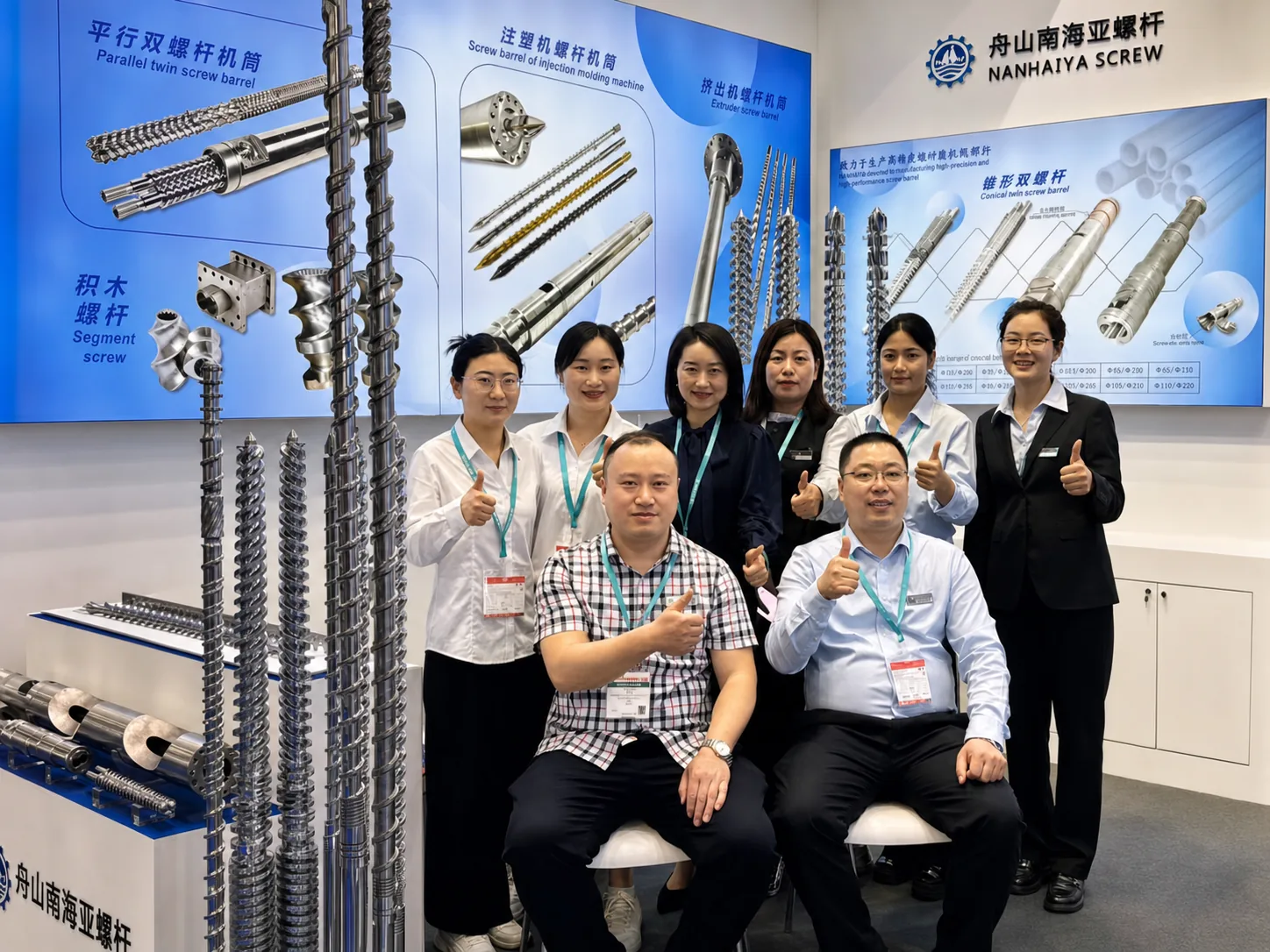
Related Articles
More insights on screw barrel technology and plastics processing.
What Nobody Tells You About Screw Barrel For Plastic Machine Design
Oct 10, 2026
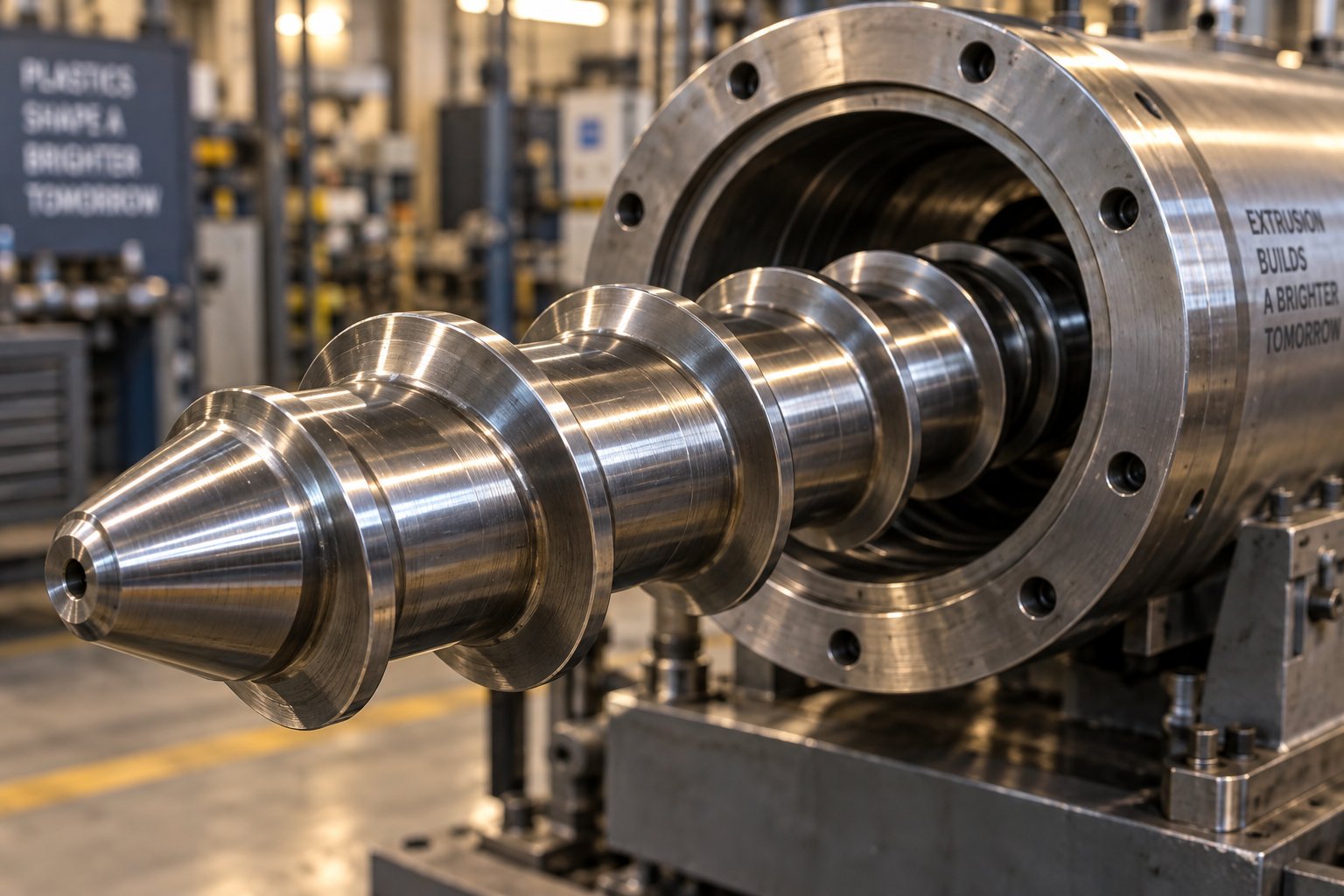
Learn how screw barrel for plastic machine design affects melt quality, throughput, and wear life. Covers geometry, resin matching, troubleshooting, and sourcing.
Read Article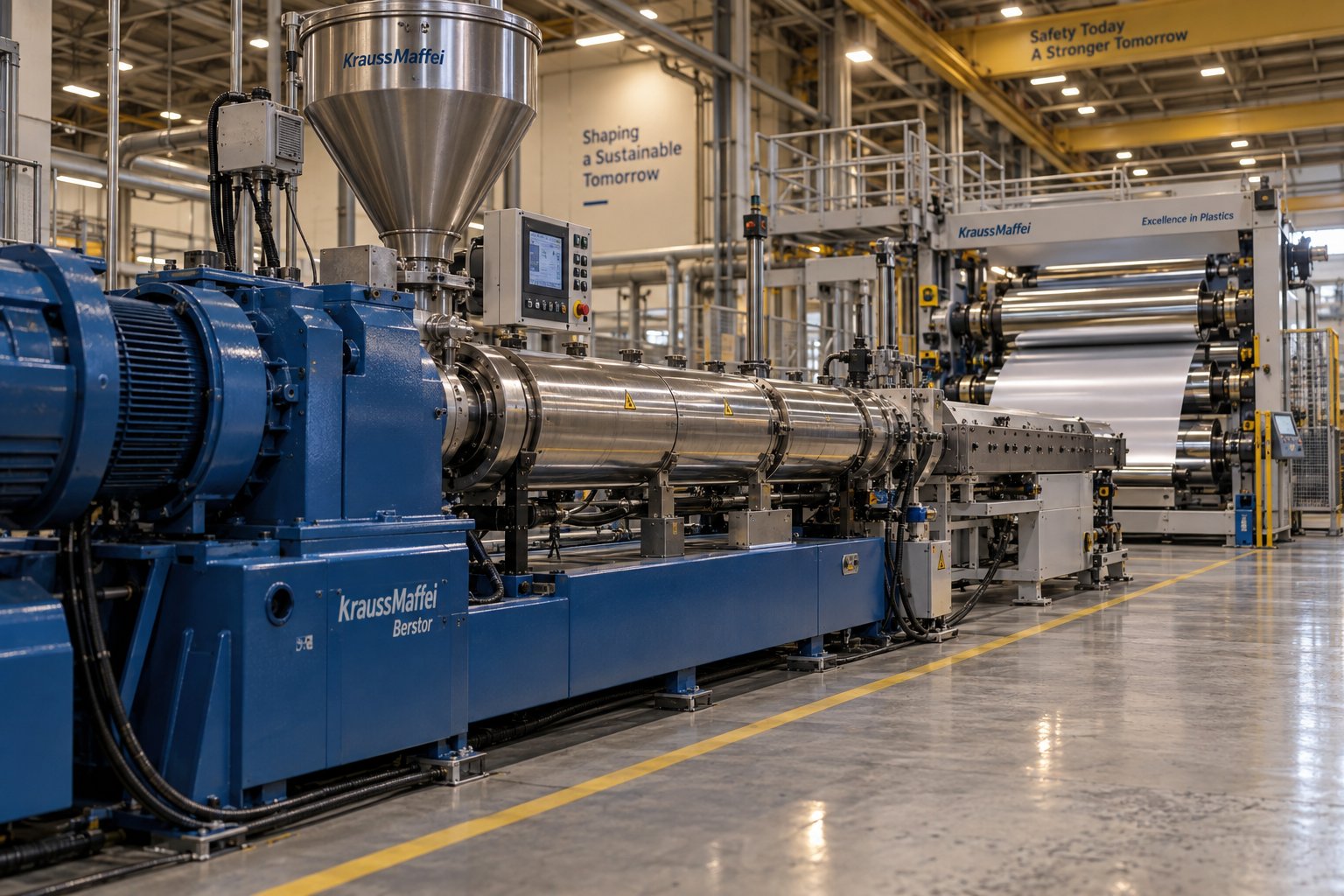
Single Screw Extruder for Sheet: Stop Guessing, Start Specifying
Oct 9, 2026
Learn how to specify a single screw extruder for sheet production. Covers screw geometry, resin-specific processing, troubleshooting, and maintenance best practices.
Read Article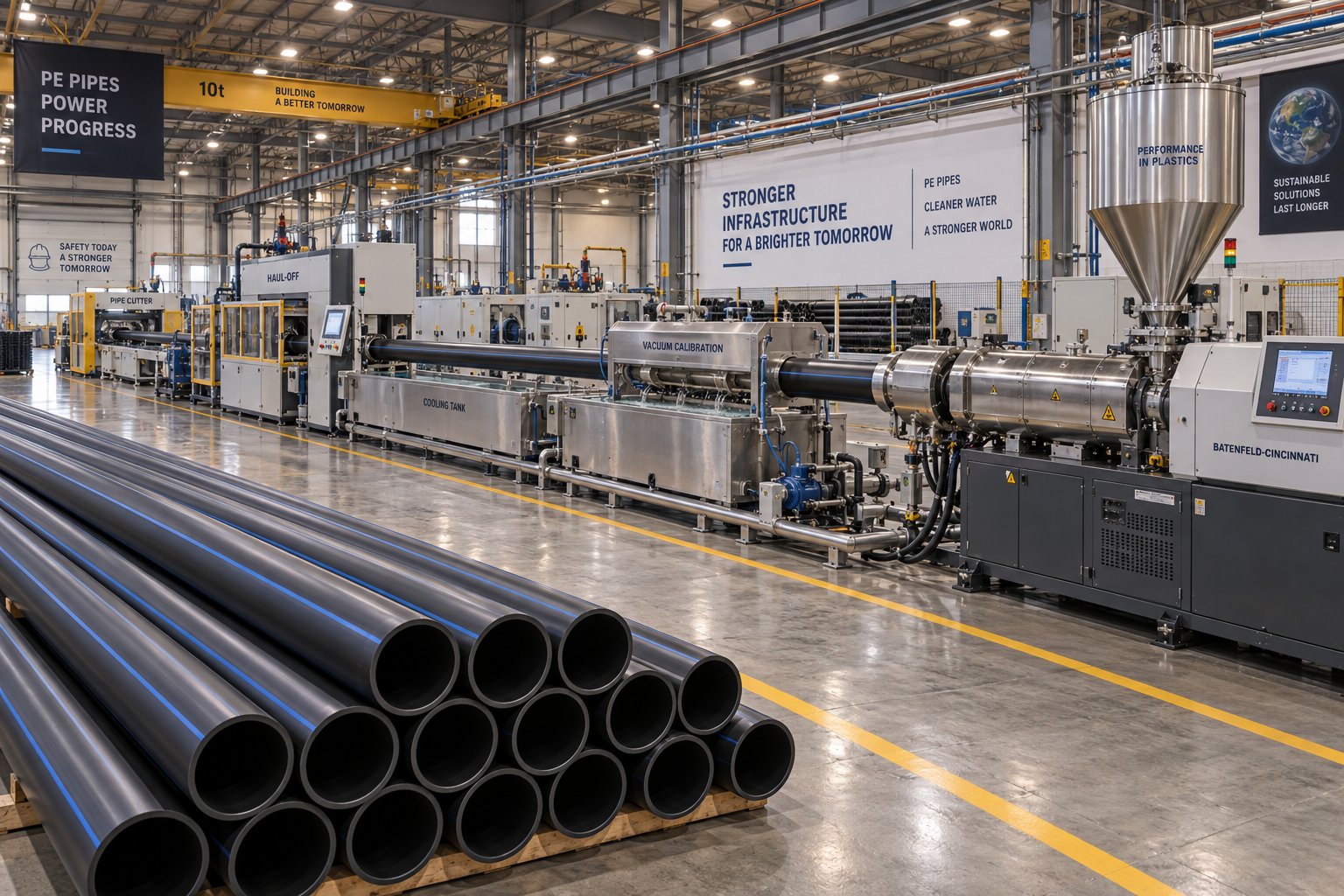
PE Pipe Extruder Machine: What Datasheets Won't Tell You
Oct 9, 2026
Learn how a PE pipe extruder machine works, key specs explained, material grade selection, maintenance tips, and buyer guidance beyond the datasheet.
Read ArticleLooking for something else?
Search by material, symptom or product and jump straight to the relevant page.
These are navigation suggestions based on keyword matching — not a quotation, not a delivery commitment, and not a substitute for engineering review. Final specification is confirmed by our engineers against your drawings and processed material.
Need help with screw barrel selection?
Share your machine model, processed material and application. Our team can help with pricing and technical support.