

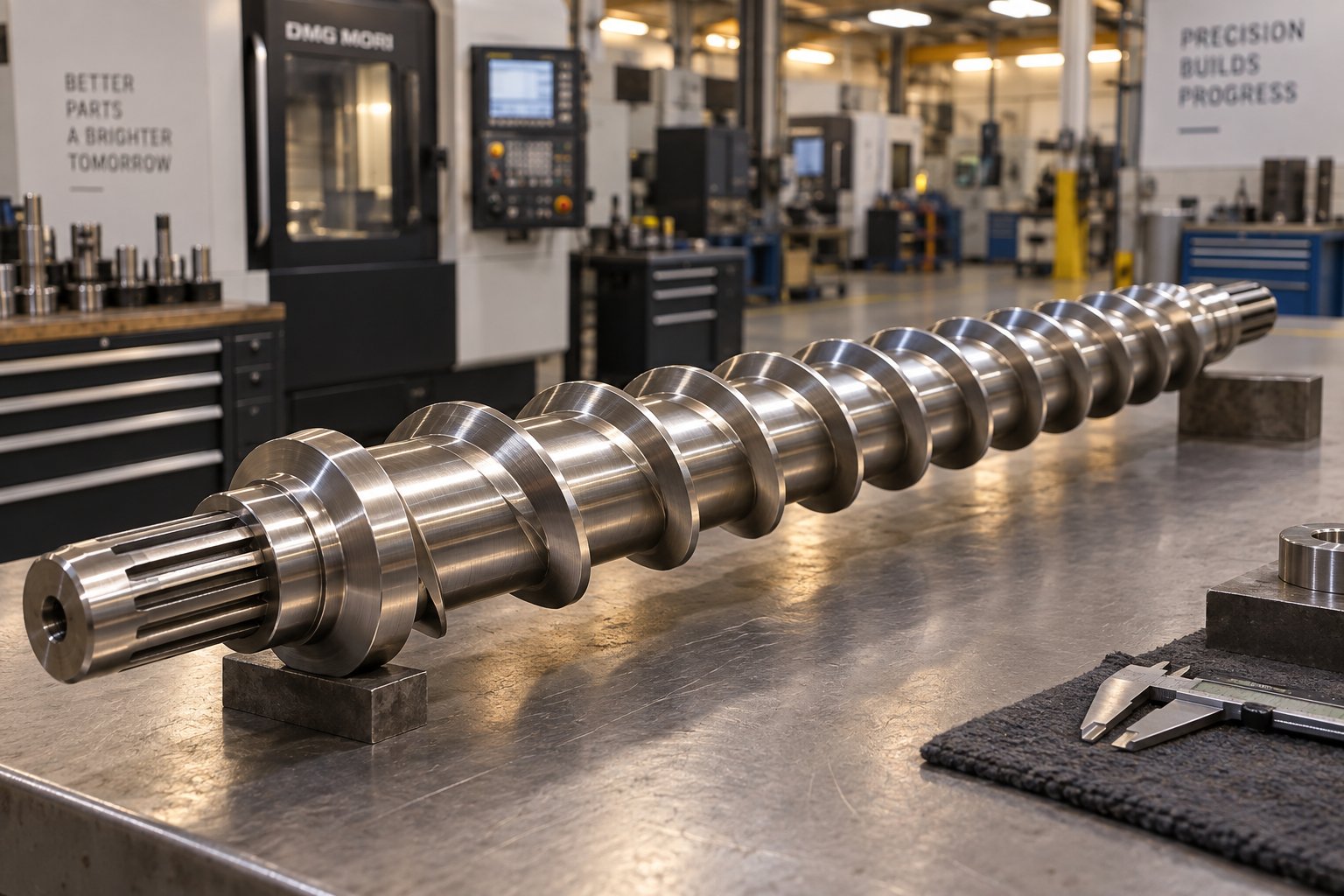
What Shapes the Price of a Plastic Extruder Screw
If you have ever searched for a plastic extruder screw price and found quotes ranging from a few hundred dollars to several thousand, you are not alone. The spread can feel bewildering, but it is not random. Every dollar in that range traces back to a specific engineering decision, material choice, or commercial variable baked into the screw's design and production.
A plastic extruder screw is a precision-engineered helical mechanism housed inside a heated barrel. It receives raw polymer pellets or powder, then conveys, melts, mixes, and pressurizes them into a uniform melt ready for shaping through a die. Its price is determined by a combination of diameter, length-to-diameter ratio, metallurgy, flight geometry, manufacturing tolerances, order volume, and the specific polymer application it must handle.
That definition hints at the real story behind pricing. A screw is not a commodity bolt you grab off a shelf. It is a custom-matched component whose specifications shift with every machine platform, every resin, and every production target. Two screws that look nearly identical on the outside can carry dramatically different price tags once you account for alloy grade, surface hardening, or a barrier-flight design engineered for a specific polymer family.
This guide breaks down each of those cost drivers in plain language so you can walk into a supplier conversation with confidence rather than confusion. Think of it as an independent pricing map, not a sales pitch.
Why Extruder Screw Prices Vary So Widely
The short answer is that no two screws serve exactly the same purpose. A 30mm laboratory extruder screw built from standard nitrided steel for processing clean polyethylene pellets sits at the opposite end of the cost spectrum from a 120mm bimetallic screw with custom barrier flights designed for glass-filled nylon. Between those extremes, every specification adjustment nudges the price higher or lower. Diameter adds raw material. A longer L/D ratio demands tighter straightness tolerances over a greater length. Harder alloys and specialty coatings require more expensive steel stock and additional processing steps. Complex flight geometries, such as mixing elements or barrier sections, multiply CNC machining time. Even order quantity matters: a single replacement unit costs more per piece than a batch of ten identical screws because setup charges get spread across fewer parts.
In the sections ahead, you will see exactly how each of these factors moves the needle on cost, and, just as importantly, when spending more genuinely pays off versus when a budget-friendly option performs just as well.
Who This Pricing Guide Is For
Imagine three people searching for the same keyword right now. The first is a plastics processor whose screw plastic extruder line just flagged declining output and rising melt temperature, classic signs of screw wear. The second is an equipment builder sourcing OEM-grade extruder screws for a new machine series. The third is a maintenance manager tasked with budgeting next year's spare-parts inventory. All three need reliable pricing intelligence, yet each approaches the question from a different angle.
If any of those scenarios sound familiar, this article is built for you. Most people researching extruder screw pricing are replacing an existing component rather than buying a brand-new machine, which means the stakes are practical and immediate: order the wrong spec and you lose production days, overpay on metallurgy you do not need and your budget takes an unnecessary hit. The cost drivers explored in the following sections will help you match every specification to its real-world price impact, starting with the single most influential variable: screw diameter.
Key Cost Drivers That Determine Extruder Screw Pricing
Screw diameter is the most visible specification on any quote request, but it is only one piece of a much larger pricing puzzle. At least five distinct engineering and manufacturing variables stack on top of each other to produce the final number. Understanding how each one works, and why it adds or subtracts cost, puts you in a far stronger position when comparing supplier quotes side by side.
Diameter and Raw Material Volume
Picture two solid steel cylinders sitting on a shop floor. One is 40mm across; the other is 100mm. The larger cylinder does not just use a little more steel - it uses dramatically more, because material volume scales with the square of the diameter. A 100mm round bar contains over six times the cross-sectional area of a 40mm bar. That means more expensive alloy steel purchased by weight, heavier blanks loaded onto the lathe, and longer machining cycles to cut each flight. Tooling wear accelerates on bigger workpieces too, so consumable costs climb in lockstep. For buyers, the takeaway is straightforward: do not expect pricing to double when you double the diameter. It typically accelerates faster than that.
Flight Geometry and Machining Complexity
A standard single-flighted metering screw with uniform pitch is the simplest, and therefore least expensive, geometry to machine. The CNC program follows a consistent helical path from feed zone to discharge. Add a barrier flight, and the program must now manage two interleaving helical channels with different depths and clearances. Introduce kneading elements, mixing pins, or variable-pitch sections, and machining time multiplies further. Each additional geometric feature demands unique tool paths, more tool changes, and tighter in-process inspection. As research from NC State Extension highlights, elements like kneading blocks and toothed mixing sections each serve distinct dispersive or distributive mixing functions - and each requires its own precision-machined profile. Barrier screws and custom-engineered profiles used in compounding or reactive extrusion sit at the premium end of the pricing scale for exactly this reason.
Manufacturing Tolerances and Quality Grade
Tolerances define how precisely the screw's outer diameter, root diameter, and flight surfaces must match the engineering drawing. Tighter tolerances mean slower feed rates on the lathe, more frequent measurement stops, and higher rejection risk during quality inspection. A general-purpose extrusion screw with standard commercial tolerances costs meaningfully less to produce than one held to close-tolerance or precision-grade specifications. Why would anyone pay extra? Because the clearance between the screw flight and the extruder barrel directly controls melt leakage, shear uniformity, and output consistency. High-performance applications, such as optical film or medical tubing, often justify the premium for tighter tolerances because even small deviations affect product quality.
Two additional factors round out the picture. The L/D ratio, covered in depth later, determines overall screw length and the cumulative machining and material cost that comes with it. Metallurgy and surface treatments, from basic nitriding to bimetallic construction and carbide coatings, introduce entirely different raw material price points and secondary processing steps. The table below maps every major cost driver so you can see the full landscape at a glance.
| Cost Driver | Impact on Price | Why It Matters |
|---|---|---|
| Screw Diameter | Increases (accelerating) | Larger diameters require exponentially more raw material and longer machining cycles |
| L/D Ratio | Increases (proportional) | Greater length adds material, machining time, and tighter straightness tolerances |
| Metallurgy (Alloy Grade) | Increases with hardness tier | Tool steels, bimetallic alloys, and specialty grades carry higher raw material and processing costs |
| Surface Treatment | Increases with treatment depth | Nitriding, chrome plating, and tungsten carbide coatings each add secondary processing steps |
| Flight Geometry Complexity | Increases with feature count | Barrier flights, mixing elements, and variable-pitch sections multiply CNC programming and machining time |
| Manufacturing Tolerances | Increases with precision grade | Tighter tolerances demand slower machining, more inspections, and higher rejection rates |
| Order Volume | Decreases per unit at higher volumes | Setup charges and programming time are amortized across more pieces in batch orders |
| Standard vs. Custom Design | Custom designs increase cost | Custom profiles require dedicated engineering, unique tooling, and first-article inspection |
You will notice that most of these drivers push price upward. That is because extruder screws are inherently precision components, and precision costs money at every stage of production. The real skill in purchasing is knowing which cost drivers are non-negotiable for your application and which ones offer room to economize. Screw diameter and L/D ratio are locked by your machine's barrel specifications, but metallurgy, surface treatment, and geometry complexity all involve choices - and those choices deserve a closer look, starting with how diameter alone creates distinct pricing tiers across the market.
How Screw Diameter Affects Price Across Size Categories
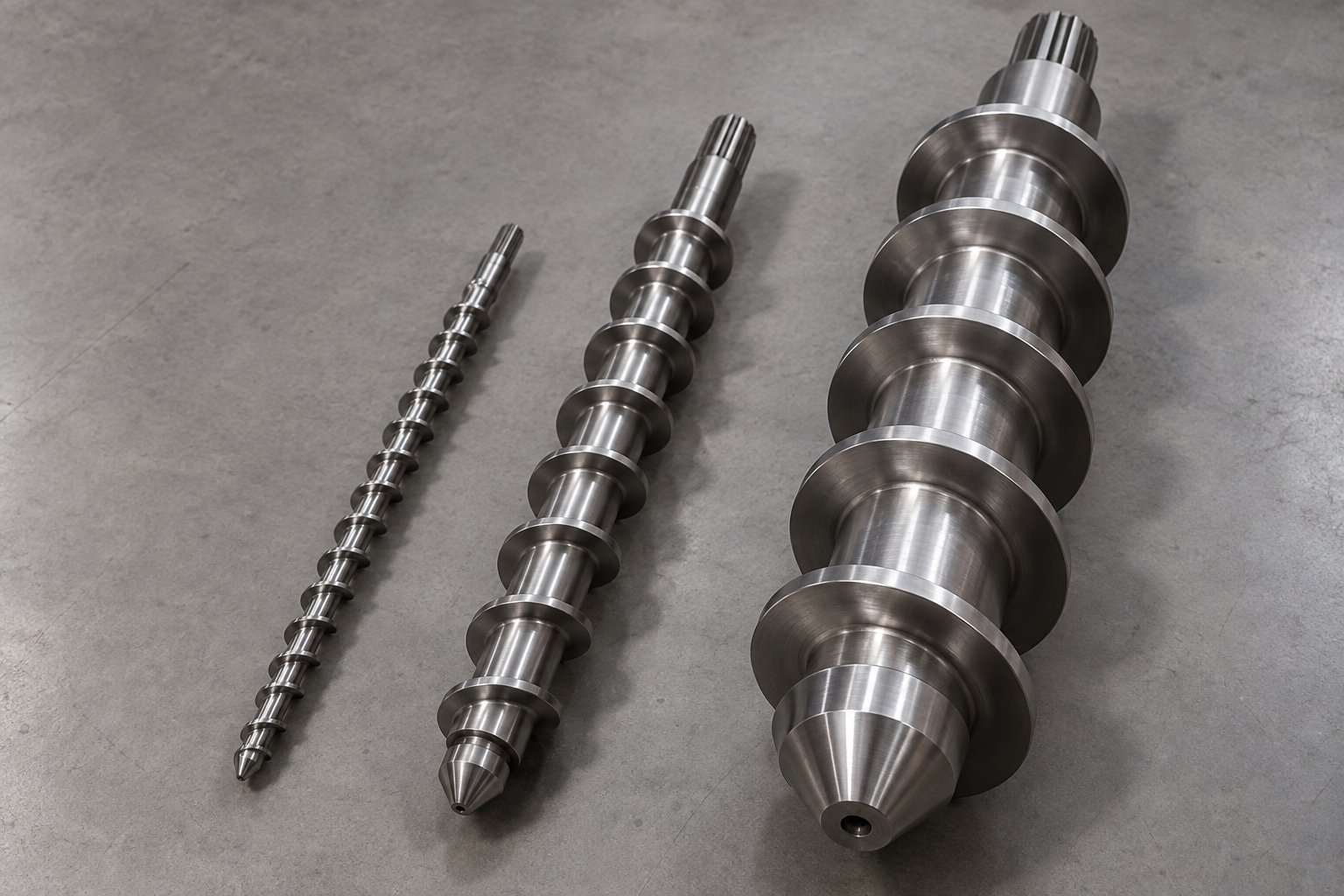
When you start shopping for a replacement extruder screw, the very first number you reach for is diameter. It is printed on the machine nameplate, stamped into the barrel specification, and embedded in every parts manual. Diameter is also the single biggest predictor of where your quote will land on the pricing spectrum. Yet here is what catches most buyers off guard: the relationship between extruder screw diameter and price is not a straight line. It curves upward, accelerating as the screw gets larger.
Why? A screw twice the diameter does not simply require twice the steel. Cross-sectional area grows with the square of the diameter, so a 100mm bar stock blank contains roughly six times the material of a 40mm blank. Heavier blanks demand bigger CNC lathes, longer machining cycles, and more aggressive tooling that wears faster. Heat treatment furnace capacity, grinding time, and even shipping logistics all scale disproportionately. As market analysis from Kerke confirms, larger screw diameters drive accessory prices into exponential growth rather than a simple linear markup. The result is a pricing curve that steepens dramatically above certain size thresholds.
Your machine's barrel bore specification is the non-negotiable starting point. You cannot choose a smaller diameter to save money - the screw must match the barrel. But understanding which size category your machine falls into helps you set realistic budget expectations before a single quote request goes out.
Small Diameter Screws for Lab and Pilot Lines
Screws in the 20mm to 40mm range serve laboratory extruders, pilot-scale lines, and compact production units designed for low-volume or specialty output. Think university research labs developing new polymer blends, R&D facilities testing additive formulations, or small businesses producing niche filament or tubing products.
From a manufacturing standpoint, these are the most affordable screws to produce. The raw bar stock is lightweight, the CNC cycle times are short, and standard machine tools handle the work without requiring oversized equipment. Heat treatment and nitriding cycles process faster on smaller components, and shipping a finished small diameter extruder screw is a simple parcel rather than a freight operation. Even with premium metallurgy or barrier-flight geometry, the absolute material and machining investment remains modest compared to larger sizes.
That said, "affordable" is relative. A 25mm screw built from powder metallurgic tool steel with tungsten carbide hard-facing still costs meaningfully more than the same diameter in standard nitrided 4140 steel. Diameter sets the baseline, but alloy grade and geometry complexity stack on top of it in every size category.
Mid-Range Production Screws from 45mm to 90mm
This is the workhorse bracket. Screws between 45mm and 90mm power the vast majority of production extrusion lines worldwide - pipe, profile, sheet, blown film, and wire coating operations all fall squarely in this range. If you are running a manufacturing floor rather than a lab bench, chances are your equipment lives here.
Pricing in this category climbs noticeably above the small-diameter tier. The raw material weight increases substantially, machining cycles stretch longer, and tolerances must be held across greater flight surface areas. A 75mm screw, for instance, demands a significantly heavier steel blank and considerably more CNC time than a 30mm screw of the same L/D ratio and geometry. Kerke's 2025-2026 market data illustrates this concretely: even a 75mm screw barrel can range from roughly $280 per piece at bulk volume to over $500 for a single-unit purchase, and that is before factoring in premium alloys or custom flight profiles.
For mid-range buyers, the plastic extrusion screw size you need is fixed by your machine, but you still have meaningful leverage over the final price through metallurgy selection, geometry complexity, and order quantity. A standard metering-screw design in nitrided steel sits at the lower end of this tier, while a barrier screw with bimetallic flight tips for processing filled compounds pushes toward the upper boundary.
Large-Diameter Industrial Screws Above 100mm
Imagine a screw that weighs several hundred pounds, stretches multiple meters in length, and spins inside a barrel bore wider than your forearm. Large diameter extrusion screws above 100mm serve high-throughput industrial operations - large-pipe extrusion, heavy-gauge sheet lines, and high-volume compounding systems that measure output in tons per hour rather than kilograms.
Pricing here enters a different league entirely. The cost difference between a 50mm and a 120mm screw is not two or three times - it can easily reach five to ten times, even before accounting for material grade or surface treatments. Every production stage amplifies the expense: forging or rough-turning a massive blank requires heavy industrial equipment, CNC machining cycles run for extended periods, heat treatment furnaces must accommodate the full length without distortion, and hard-facing operations consume more overlay alloy per pass. Precision grinding across two or more meters of screw length demands extraordinary care to maintain concentricity and straightness tolerances. Even logistics become a cost factor - shipping a 150mm, 3-meter-long screw involves specialized crating and freight handling.
Buyers in this category face the steepest absolute costs but also stand to gain the most from smart sourcing decisions. When a single screw carries a premium price tag, the percentage savings from choosing aftermarket over OEM, or negotiating bulk pricing for a multi-line operation, translate into significant dollar amounts.
| Diameter Range | Typical Applications | Relative Price Tier | Key Cost Characteristics |
|---|---|---|---|
| 20mm – 40mm | Lab extruders, pilot lines, desktop filament systems | Entry | Low material weight, short machining cycles, standard tooling sufficient |
| 45mm – 90mm | Production pipe, profile, sheet, blown film, wire coating | Mid | Moderate material volume, longer CNC cycles, tolerance demands grow with surface area |
| 100mm – 120mm+ | High-throughput industrial extrusion, large-pipe, heavy-gauge sheet, compounding | Premium | Heavy bar stock, extended machining and grinding, large-capacity heat treatment, specialized freight |
Keep in mind that this table captures the baseline cost tier set by diameter alone. Metallurgy, flight geometry, surface treatments, and order volume layer additional cost adjustments on top of whichever size category your machine requires. Diameter tells you the floor - everything else determines how far above that floor the final price lands.
Of course, diameter is only half the physical size equation. Two screws with the same bore diameter can differ dramatically in length, and that length difference - expressed as the L/D ratio - introduces its own distinct set of cost pressures that many buyers overlook entirely.
Understanding How L/D Ratio Impacts Screw Pricing
Two 90mm extruder screws arrive on a factory floor in identical wooden crates. Same diameter, same alloy, same flight geometry. Yet one quote came in noticeably higher than the other. The difference? One screw is 2,700mm long and the other is only 2,160mm. That 540mm gap - roughly the length of a baseball bat - traces directly to a specification many buyers gloss over: the screw length to diameter ratio, commonly written as L/D.
The L/D ratio expresses how many times longer the screw is compared to its own diameter. A 90mm screw with a 30:1 ratio measures 90 x 30 = 2,700mm from the feed pocket to the tip. Drop that ratio to 24:1 and the same 90mm diameter yields a screw just 2,160mm long. The math is simple, but the cost implications are anything but. Every additional unit of L/D adds raw steel, extends machining time, tightens tolerance demands over a longer span, and even changes what it costs to crate and ship the finished part.
If diameter sets the pricing floor, the extruder screw L/D ratio determines how tall the building above it stands.
What the L/D Ratio Means for Screw Manufacturing Cost
Think of a machinist standing at a CNC lathe, cutting helical flights along a rotating steel blank. At 24:1 on a 90mm screw, that blank is roughly 2.1 meters long. Stretch the ratio to 36:1 and the same diameter blank grows to 3.24 meters - over 50% longer. That single specification change cascades through every step of production.
More raw material. A longer blank means more alloy steel purchased by weight. For high-grade tool steels or bimetallic substrates, the material cost increase is directly proportional to extruder screw length.
Longer machining operations. Every flight, every channel depth transition, and every surface finish pass must traverse that additional length. CNC cycle time does not increase marginally - it rises in rough proportion to the screw's overall length, and so does tooling wear.
Stricter straightness tolerances. Holding a screw straight across 2,100mm is one thing. Holding it straight across 3,200mm is a fundamentally harder manufacturing challenge. Longer screws are more susceptible to deflection during machining and distortion during heat treatment. Corrective steps - stress-relieving cycles, intermediate straightening, additional grinding passes - add labor, time, and cost. As Kerke's engineering guide on L/D selection notes, a higher L/D ratio also increases the energy required to drive the screw, which factors into design considerations that can further influence component complexity.
Shipping and handling. A 3-meter-plus screw does not fit in a standard parcel. It requires custom crating, long-item freight classification, and sometimes specialized lifting equipment at both ends. These logistics costs rarely appear in the per-unit quote, but they are real and they grow with every increment of L/D.
The net effect is that two screws with identical diameters and metallurgy can differ meaningfully in price simply because one carries a higher L/D ratio extrusion screw specification. Buyers who overlook this variable often find themselves puzzled by quote discrepancies that are, in fact, perfectly logical.
Common L/D Ratios and Their Typical Applications
Application requirements - not arbitrary preference - dictate the ratio. A screw that only needs to melt and push a simple polymer like LDPE through a die can do its job in a shorter length. A screw tasked with compounding multiple additives into an engineering resin, venting moisture, and achieving thorough dispersion needs every millimeter of additional residence time that a longer ratio provides. In compounding extruders, for example, L/D ratios typically range from 20:1 to 40:1 depending on the complexity of the formulation and the degree of mixing or devolatilization required.
Here is a practical ranking of common ratios from shortest to longest, along with the application types that typically call for each and their relative effect on pricing:
- 16:1 to 20:1 (Lowest cost impact) - Found on older single-screw extruders, rubber processing machines, and basic melt-and-convey applications. These short screws use the least material and machining time. Best suited for polymers with simple melting behavior and minimal mixing demands, such as clean LDPE or HDPE in straightforward profile or pipe extrusion.
- 24:1 (Moderate cost impact) - The traditional general-purpose ratio for many single-screw extrusion lines. Provides adequate melting, mixing, and pressure generation for standard thermoplastics like polypropylene, polystyrene, and ABS. A solid middle ground between performance and cost for processors running non-filled materials.
- 28:1 (Moderate-to-high cost impact) - Common on newer single-screw platforms and many twin-screw compounding machines. The additional length allows for improved melt homogeneity and the introduction of venting zones. Frequently specified for blown film, cast film, and sheet extrusion where melt quality directly influences end-product appearance.
- 30:1 (High cost impact) - A popular choice for processing engineering plastics or lightly filled compounds. The longer residence time accommodates better additive dispersion and moisture removal. At this ratio, straightness tolerances and machining demands step up noticeably.
- 33:1 to 36:1 (Higher cost impact) - Specified for demanding compounding operations, heavily filled polymers, color masterbatch production, and applications requiring multiple venting zones. The extended length supports additional kneading and mixing sections within the screw profile, but it also means substantially more material, machining time, and tolerance control.
- 40:1 (Premium cost impact) - The upper end for twin-screw compounding extruders handling highly complex formulations, reactive extrusion, or materials needing intensive devolatilization. Screws at this ratio are among the most expensive to manufacture due to their extreme length, the challenge of maintaining straightness, and the cumulative machining hours required.
You will notice a pattern: as the application grows more complex - more fillers, more additives, more volatile content to remove - the required L/D ratio climbs, and so does the price. That relationship is not a coincidence. It reflects a genuine increase in manufacturing difficulty and material consumption at every stage.
One critical caution for buyers: never assume your machine's L/D ratio matches a common "standard" value. Extruder manufacturers configure barrel lengths to suit specific market applications, and two machines with the same screw diameter can ship from the factory with different L/D ratios. Always verify the actual barrel length on your machine - measure it physically if the documentation is unavailable - before placing an order. A screw machined to the wrong L/D ratio is not just a misfit. It is a costly mistake that results in either a return, a remake, or compromised process performance.
Diameter and length define a screw's physical envelope, but they say nothing about what the screw is made of. The steel grade and any hardening or coating applied to its surface introduce an entirely separate cost dimension - one that hinges on the polymer you are processing and the wear environment it creates inside the barrel.
Metallurgy and Surface Treatments That Change the Price
Imagine two extruder screws sitting side by side on a warehouse shelf. Same diameter, same L/D ratio, same flight geometry. Yet one carries a price tag roughly 25% higher than the other. Pick them up and they feel identical. The difference is invisible - it lives in the alloy composition and the hardening process applied to the working surfaces. Metallurgy and surface treatment form the hidden pricing layer that separates a screw built for gentle commodity resins from one engineered to survive thousands of hours inside a barrel extruder processing abrasive glass-filled compounds.
This dimension of cost is often the most misunderstood. Buyers who focus exclusively on diameter and length risk either overspending on metallurgy their application does not demand or, more dangerously, underspending and watching a cheap screw wear out in a fraction of its expected life. The key is matching the material construction to the specific wear and corrosion environment your polymer creates.
Standard Nitrided Steel for General-Purpose Extrusion
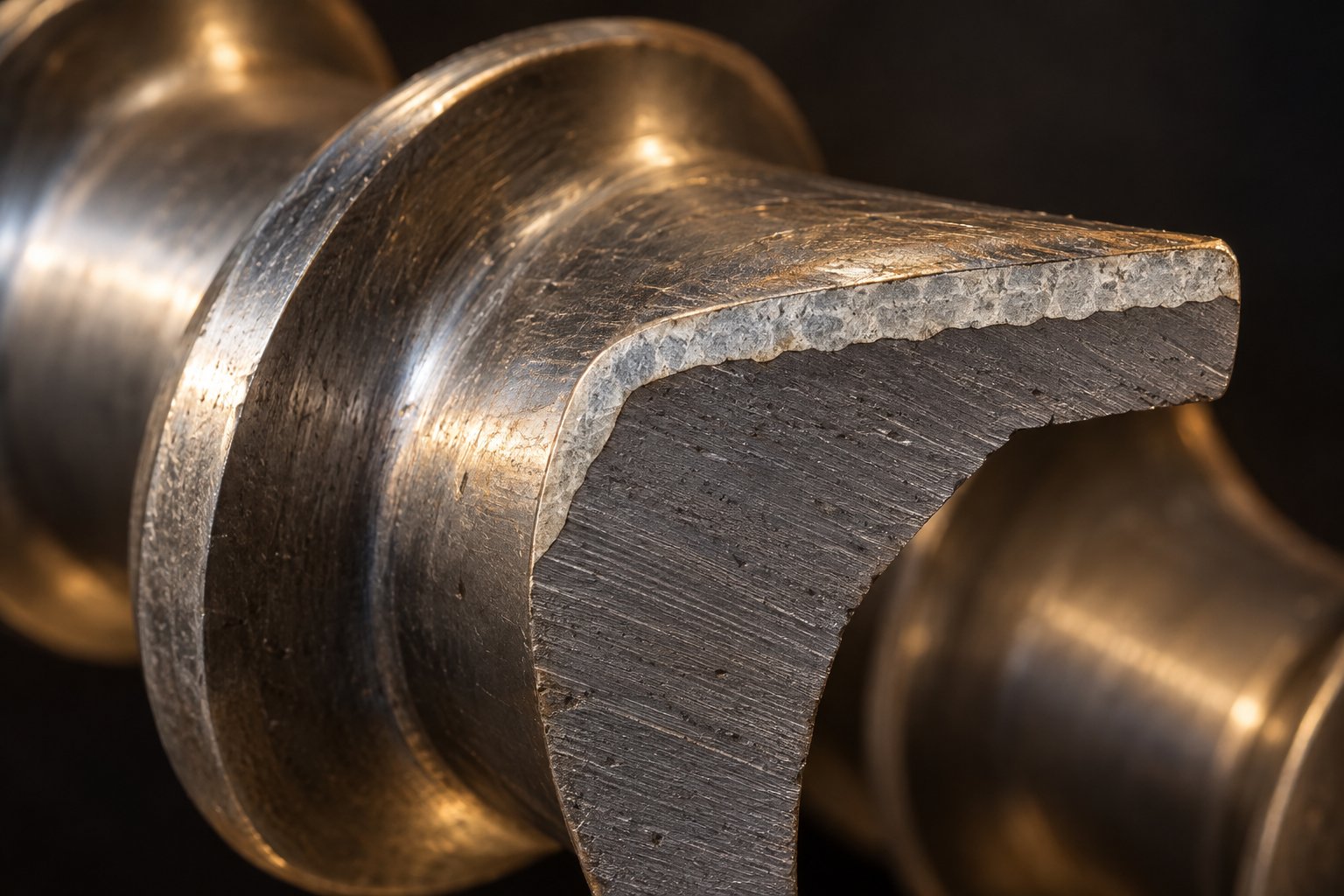
The most common and cost-effective option for extruder screws and barrels is a nitrided extrusion screw made from alloy steel - typically a grade like 38CrMoAlA (or the equivalent 4140-series in Western nomenclature). Gas or plasma nitriding diffuses nitrogen into the surface layer, creating a hard case that resists adhesive and mild abrasive wear. Industry-standard specifications call for a nitriding case depth of 0.4 to 0.6mm with a surface hardness of 900 to 1,100 HV. The steel core beneath stays tougher and more ductile, which is essential for absorbing the rotational torque the screw endures during operation.
For processors running clean commodity thermoplastics - polyethylene, polypropylene, polystyrene, or general-purpose ABS without mineral fillers - a standard nitrided screw delivers solid, predictable performance at the lowest acquisition cost. Spare part availability is excellent because nitriding is a broadly established process offered by virtually every screw manufacturer worldwide.
Where does this option reach its limits? The 0.4 to 0.6mm case depth is thin relative to the total screw diameter. Once wear penetrates through that hardened layer, the softer core underneath erodes rapidly, and screw-to-barrel clearance opens up in a hurry. For gentle polymers, the case holds up for a long and economical service life. Introduce abrasive fillers, recycled feedstock with contaminants, or chemically aggressive additives, and that thin armor gets consumed far faster than the maintenance schedule anticipates.
Bimetallic and Coated Screws for Demanding Polymers
When the standard nitrided surface cannot keep pace with the wear environment, the next step up is a bimetallic extruder screw or a screw protected by advanced surface coatings. These options cost more upfront, but they exist because certain applications simply destroy standard nitrided surfaces too quickly for the economics to work.
Tool steels with enhanced hardening. Mid-range options include screws machined from higher-alloy tool steels such as CPM9-V or D2, which offer greater wear resistance than standard nitrided alloy steel. These steels accept deeper case hardening and maintain their hardness at higher operating temperatures, making them suitable for moderately abrasive polymers or applications where processing temperatures push the limits of conventional grades. The price premium over standard nitrided steel is noticeable but not dramatic - you are paying for better raw material and slightly more involved heat treatment.
Bimetallic construction. This is where the cost conversation shifts significantly. A bimetallic screw or barrel bonds a wear-and-corrosion-resistant alloy layer - often a boron-nickel-chromium composition such as Colmonoy 56 or Colmonoy 83 - directly to the steel substrate. Centrifugally cast bimetallic barrel liners typically achieve a liner thickness of 1.5 to 3.0mm, giving the component substantially more usable wear depth than a 0.5mm nitrided case. That additional depth is the reason bimetallic components tolerate far longer service intervals before reaching dimensional limits. Documented comparisons show bimetallic assemblies extending service life by two to three times over traditional nitrided counterparts in abrasive applications, with wear rates reduced by over 60%.
Specialty coatings and hard-facing. At the top of the metallurgy cost hierarchy sit coatings like tungsten carbide overlay, chrome plating, and plasma-transferred arc (PTA) alloy spraying. These treatments push surface hardness into the HRC 58-65 range and deliver the highest resistance to both abrasive wear and chemical corrosion. They are specified for the most punishing applications - highly filled engineering resins, corrosive PVC formulations, and recycled streams loaded with unpredictable contaminants. The price premium is the steepest in this tier, reflecting the cost of specialty overlay materials, the precision required in application, and the additional quality control steps needed to verify coating uniformity and adhesion.
Matching Metallurgy to Your Polymer and Filler Type
Here is where theory meets your production floor. The polymer and filler combination you process every day is the single most important variable in choosing the right metallurgy - and therefore the right price tier. Sounds straightforward? In practice, many buyers either default to the cheapest option or over-specify to the most expensive one without analyzing their actual wear environment.
PVC processing presents a unique challenge. PVC releases hydrochloric acid during thermal degradation, creating a corrosive environment inside the barrel. Standard nitrided steel corrodes under prolonged HCl exposure, so PVC-dedicated extruder screws and barrels require corrosion-resistant alloy liners or specialized hard-chrome plating. Skipping this metallurgy to save on purchase price leads to premature pitting and surface degradation that accelerates wear far beyond what abrasion alone would cause.
Recycled materials introduce a different problem. Post-consumer or post-industrial recyclate often contains metal fragments, paper label residue, sand, and other hard contaminants that act as an abrasive slurry inside the barrel. The wear rate on a standard nitrided screw processing heavily contaminated regrind can be several times faster than the same screw running virgin resin. Processors handling recycled feedstock consistently benefit from bimetallic or hard-faced screw construction that absorbs this punishment over a practical service life.
Glass-fiber-reinforced engineering plastics like PA6-GF30 or PA66-GF50 are among the most aggressively abrasive materials in extrusion and injection molding. Glass fibers act like microscopic cutting tools, grinding away at flight lands and barrel walls with every screw rotation. A standard nitrided surface can wear past its effective case depth in a fraction of the time it would last on unfilled nylon. For these materials, bimetallic construction is not a luxury - it is a baseline requirement for achieving economical screw life.
Commodity polymers without fillers - clean PE, PP, GPPS, and similar resins - are the gentlest materials a screw will encounter. They generate minimal abrasion and no corrosive byproducts under normal processing conditions. A standard nitrided extrusion screw handles these resins efficiently and economically, making premium metallurgy an unnecessary expense for this application category.
The table below maps common polymer and filler categories to the metallurgy tier that typically delivers the best balance of performance and cost.
| Polymer / Filler Category | Primary Wear Mechanism | Recommended Metallurgy Tier | Relative Cost Impact |
|---|---|---|---|
| Unfilled PE, PP, PS, ABS | Mild adhesive wear | Standard nitrided alloy steel (e.g., 38CrMoAlA) | Baseline (lowest) |
| Lightly filled compounds (talc, CaCO3 under 20%) | Moderate abrasion | Enhanced tool steel or deep-nitrided alloy | Moderate (10-20% above baseline) |
| PVC and chlorinated polymers | Chemical corrosion + mild abrasion | Corrosion-resistant bimetallic liner or hard-chrome plating | Moderate-to-high |
| Recycled plastics with contaminants | Aggressive abrasion from foreign particles | Bimetallic alloy (e.g., Colmonoy 56/83) or tungsten carbide overlay | High |
| Glass-fiber-reinforced nylon (PA6-GF, PA66-GF) | Severe abrasion from glass fibers | Bimetallic construction with HRC 58-65 hard-facing | High (approx. 25% above nitrided equivalent) |
| Highly filled masterbatch (TiO2, pigments, 40%+ CaCO3) | Intense abrasion + potential corrosion | Premium bimetallic or PTA-sprayed alloy coating | Premium (highest tier) |
Notice the pattern: the cost of metallurgy tracks directly with the aggressiveness of your process material. A buyer running clean polypropylene who specifies a bimetallic extruder screw is paying a premium that delivers no meaningful return. Conversely, a processor running 50% glass-filled nylon on a standard nitrided screw will replace it so frequently that the cumulative cost dwarfs what a single bimetallic component would have cost upfront.
This trade-off between initial purchase price and in-service longevity points to a broader question that extends beyond metallurgy alone. When you factor in how the screw is sourced - whether from the original machine manufacturer, an independent specialist, or a rebuild shop - the pricing picture shifts again, often in surprising ways.
OEM vs. Aftermarket vs. Refurbished Screw Pricing
Choosing the right steel grade and surface treatment is only half the sourcing equation. The other half - and the one that often catches buyers off guard - is where you buy the screw. Three distinct supply channels compete for your replacement extruder screw order, and each one carries a fundamentally different pricing structure, quality profile, and risk level. Understanding those differences before you request quotes keeps you from overpaying or, worse, under-specifying a critical wear component.
OEM Screw Pricing and When It Makes Sense
An OEM screw comes directly from the company that built your extruder. It is manufactured to the original engineering drawings, matched to the machine's exact barrel specifications, and typically backed by the machine manufacturer's warranty. That peace of mind comes at a price. OEM extruder screw price tags sit at the top of the market because you are paying not just for the steel and machining, but also for guaranteed dimensional compatibility, proprietary flight profiles, and the brand's quality assurance infrastructure.
When does that premium genuinely pay for itself?
- Warranty-critical situations. If your machine is still under the manufacturer's warranty, installing a non-OEM screw may void coverage on the barrel and drive system.
- Proprietary screw designs. Some extruder manufacturers use patented barrier or mixing geometries that third-party shops cannot legally or technically replicate with full fidelity.
- Zero tolerance for risk. In pharmaceutical, medical, or food-contact extrusion, traceability and certified material documentation from the OEM can simplify regulatory compliance.
The trade-off is clear: you get the highest confidence in fit and performance, but you also absorb the highest cost and, in many cases, the longest lead time since OEM parts often route through centralized distribution channels rather than shipping direct from the shop floor.
Aftermarket and Third-Party Screw Manufacturers
An aftermarket extruder screw is produced by an independent manufacturer to the same dimensional and metallurgical specifications as the OEM part. Think of it the way you would an aftermarket automotive brake rotor - built to match the original blueprint, but sourced outside the vehicle maker's supply chain. The result is typically a lower per-unit cost because third-party manufacturers operate without the OEM brand markup and often run leaner overhead structures.
Quality, however, is not uniform across the aftermarket landscape. Some independent shops invest heavily in CNC equipment, in-house metallurgical testing, and ISO-certified quality systems. Others cut corners on alloy grade or skip final grinding steps to hit a lower price point. That variability is the central risk buyers need to manage.
- Best value when your machine platform is mature, well-documented, and widely supported. Popular extruder models from major manufacturers have thoroughly known specifications, making it straightforward for a competent third-party shop to produce a dimensionally accurate replacement.
- Higher risk when drawings are unavailable and the aftermarket supplier must reverse-engineer from a worn sample. Replicating a screw from a worn original introduces measurement uncertainty that can lead to fit or performance issues.
- Quality safeguard: Always request material certifications, hardness test reports, and dimensional inspection records. Reputable aftermarket manufacturers provide these without hesitation.
For many plastic processors, this channel offers the strongest balance of cost savings and performance reliability - provided you vet the supplier carefully.
Refurbished Screws as a Budget Alternative
Refurbishment - sometimes called re-flighting or rebuilding - takes a worn screw, welds new material onto eroded flight lands, and re-machines the component back toward its original dimensions. It is the lowest-cost option in absolute dollar terms, and it can extend the useful life of a screw that has not worn beyond its reclaimable limits.
That said, a refurbished extrusion screw is not a new screw. The base metal has already endured thermal cycling, torsional stress, and surface fatigue. Weld overlays introduce heat-affected zones that may differ in hardness and wear behavior from the parent material. The rebuilt screw's remaining service life is inherently shorter than a new component manufactured from fresh bar stock.
- Makes sense when you need a temporary solution to keep a line running while a new replacement is on order, or when the machine itself is nearing end of life and a full-price replacement screw cannot be justified economically.
- Risky when the original screw has worn past the point where sufficient base material remains for a quality rebuild. Over-welding a severely worn screw can cause dimensional instability, imbalance, and premature re-failure.
- Hidden cost: Shorter service life means more frequent downtime for the next replacement cycle. If you factor in lost production hours, the apparent savings can shrink quickly.
The choice between OEM, aftermarket, and refurbished sourcing is rarely one-size-fits-all. Many experienced maintenance teams use all three channels strategically - OEM for mission-critical lines, aftermarket for standard production, and refurbishment as a stopgap. Knowing which channel fits which situation prevents both overspending and the costly surprises that come from cutting corners in the wrong place.
Sourcing channel sets the pricing framework, but two more variables sit inside every purchase order and shift the final number in ways that are entirely within the buyer's control: how many screws you order at once, and how much customization the design requires.
How Order Volume and Customization Shape Per-Unit Cost
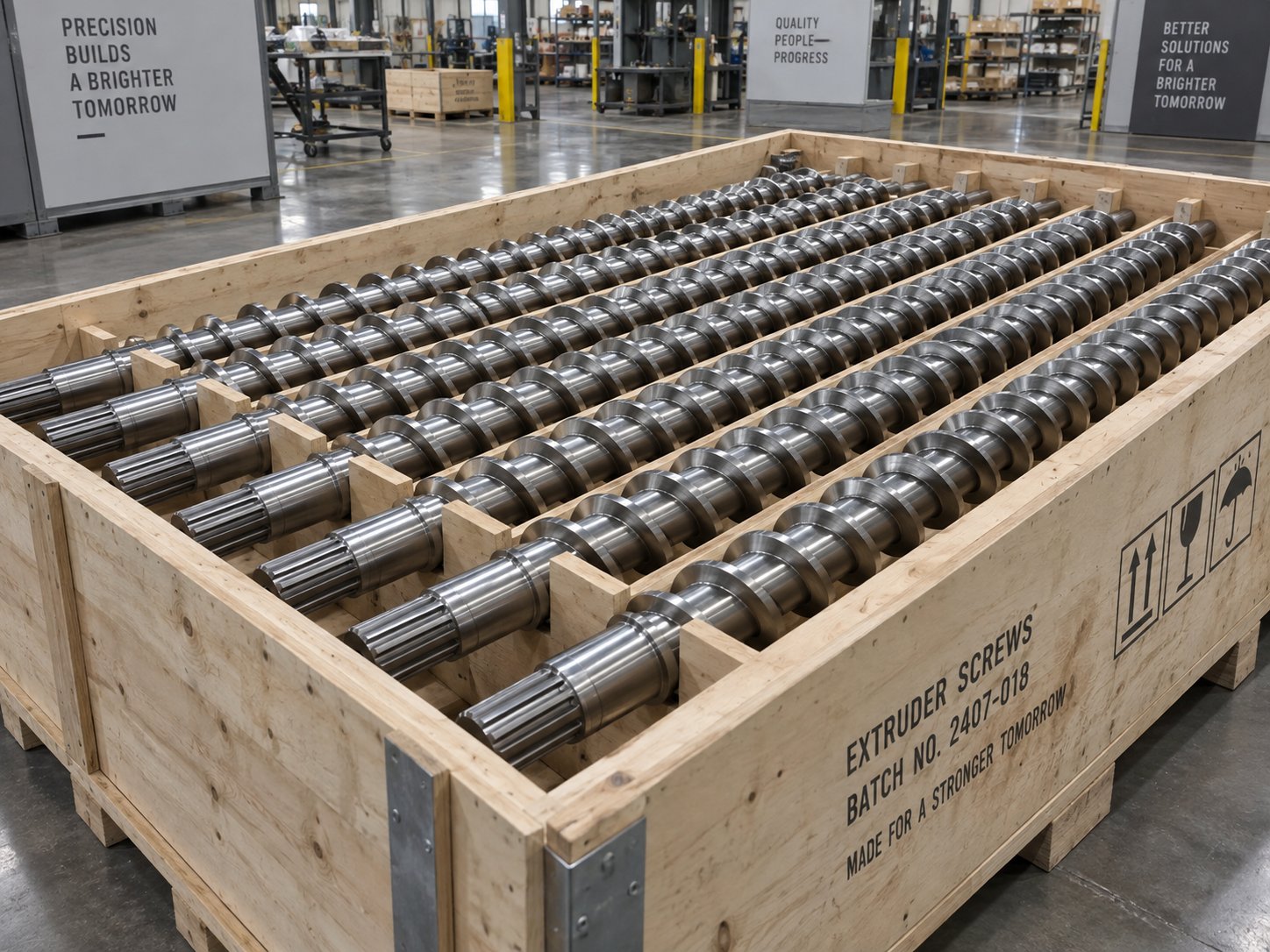
A maintenance engineer emails three screw suppliers with identical specifications for a single replacement extruder screw. A week later, an equipment builder contacts the same three suppliers requesting fifteen identical screws for a new machine series. Both buyers need the exact same component - same diameter, same L/D ratio, same metallurgy. Yet the per-unit quotes the equipment builder receives will almost certainly come in lower, sometimes significantly so. The reason has nothing to do with the steel or the machining. It comes down to how production economics reward volume and penalize one-off orders.
Alongside volume, the degree of customization baked into the screw design introduces its own cost layer. A standard catalog geometry that the shop has manufactured dozens of times runs through production like a well-rehearsed routine. A custom extruder screw with a proprietary flight profile designed for a specific polymer blend? That requires fresh engineering, new CNC programs, and first-article inspection before a single shippable part comes off the line. Both variables - quantity and customization - sit squarely within the buyer's control, making them two of the most actionable levers for managing your extruder screw replacement cost.
Single Replacement Orders vs. Bulk Procurement
Every screw production run begins with setup: loading raw bar stock, installing tooling, uploading the CNC program, calibrating measuring instruments, and running test cuts. Whether the shop produces one screw or twenty after that setup, the preparation time and cost remain essentially the same. On a single-unit order, you absorb 100% of that overhead in one part. Spread across a bulk extruder screw order of ten or more, the setup charge per piece shrinks to a fraction.
The math extends beyond setup. Tooling wear follows a bathtub curve - early cuts stabilize the process, middle cuts run efficiently, and late cuts may require tool changes. A single screw captures only the inefficient startup phase. A longer run reaches that productive sweet spot and stays there. Material procurement benefits too: ordering steel for fifteen identical blanks lets the supplier negotiate better bar stock pricing from the mill versus buying a single cut-to-length piece at list price.
Market data from 2025-2026 puts concrete numbers on this effect: bulk purchases of ten pieces or more routinely yield 10% to 30% discounts compared to single-unit pricing. For a mid-range 75mm screw barrel, that translates to per-unit costs as low as roughly $280 at volume versus over $500 for a one-off purchase - nearly a 45% swing on the same component.
Equipment builders naturally benefit from this dynamic because they order screws in batches as part of machine production schedules. But even single-machine processors can tap into volume pricing by consolidating needs. If you operate multiple extruders with the same screw specifications, ordering replacement screws together rather than one at a time puts immediate savings on the table. Maintenance teams planning annual spare-parts budgets can achieve the same effect by forecasting needs across the coming year and placing a single batch order rather than reacting to each failure individually.
Standard Designs vs. Custom-Engineered Screw Profiles
Customization is where the pricing conversation gets nuanced. A standard general-purpose screw - single-flighted, constant pitch, common compression ratio - leverages an existing CNC program the shop has already proven. The toolpath is debugged, the cycle times are known, and the quality benchmarks are established. Production moves fast, and fast means affordable.
A custom screw design for extrusion introduces cost at every stage before the CNC spindle even starts turning. An engineer must translate your processing requirements into a screw profile: selecting barrier flight clearances, positioning mixing elements, defining zone-by-zone channel depths, and calculating compression ratios tailored to your specific resin and output target. That engineering time is billable. The resulting CNC program needs to be written from scratch, simulated, and verified. First-article inspection - measuring every critical dimension on the inaugural screw to confirm the program produced what was intended - adds another layer of labor before production can continue.
Industry pricing patterns indicate that custom work can range from 50% above standard pricing for minor modifications - a different compression ratio or an added mixing section - to well over 150% for fully bespoke, application-specific designs involving exotic geometries or specialty alloy combinations. The premium reflects genuine value: a custom extruder screw optimized for your exact polymer, filler loading, and throughput target can outperform a generic design in output quality, energy efficiency, and screw longevity. The question is whether your application demands that optimization or whether a proven catalog design delivers equivalent results at lower cost.
Here is a practical rule of thumb: if a standard screw geometry already processes your material satisfactorily on similar equipment elsewhere in the industry, start there. Reserve full custom engineering for applications where off-the-shelf designs demonstrably fall short - unusual polymer blends, extreme filler loadings, or throughput targets that push the machine beyond its standard operating envelope.
Lead Time and Rush-Order Surcharges
Timing interacts with both volume and customization in ways that directly hit your wallet. Under normal production scheduling, a manufacturer slots your order into an existing workflow, batches material procurement with other jobs, and runs your screw when the appropriate CNC machine is available. Standard lead times for replacement screws typically range from three to six weeks depending on complexity and the supplier's backlog.
An emergency replacement changes everything. When a screw fails unexpectedly and your line is down, the urgency shifts from "schedule efficiently" to "ship immediately." Rush orders force the manufacturer to interrupt other jobs, authorize overtime labor, expedite raw material delivery from the steel supplier, and prioritize your part on machines that were allocated to other customers. Every one of those disruptions carries a surcharge. Expedite fees on emergency extruder screw orders can add 25% to 50% or more on top of the standard price - and that premium buys you speed, not a better screw.
The smartest way to avoid rush premiums? Maintain a preventive wear-monitoring program and order replacement screws before failure forces your hand. A screw ordered on a standard timeline at bulk volume is almost always the least expensive screw you will ever buy.
| Characteristic | Single Replacement Order | Bulk Procurement (10+ pieces) |
|---|---|---|
| Setup Cost per Unit | High - full setup absorbed by one part | Low - setup amortized across the batch |
| Per-Unit Material Cost | Higher - single bar stock purchase at list price | Lower - volume steel procurement discounts apply |
| Typical Price Discount | None (baseline pricing) | 10% to 30% below single-unit pricing |
| Standard Lead Time | 3-6 weeks | 4-8 weeks (larger batch, but better scheduling flexibility) |
| Rush-Order Availability | Possible at 25-50%+ surcharge | Rarely practical for full batch; partial shipments may be negotiable |
| Customization Flexibility | Full - any geometry or alloy, but premium per unit is steep | Full - custom engineering cost amortized across more units, reducing per-piece impact |
| Best Suited For | Emergency replacements, unique one-off machines | Equipment builders, multi-line processors, planned spare-parts inventory |
The pattern in that table points to a broader insight that experienced procurement teams already understand intuitively: the cheapest screw is not always the one with the lowest number on the quote. A single rushed replacement bought at emergency pricing, installed during unplanned downtime, and worn out months ahead of schedule can end up costing far more than a premium screw ordered proactively at bulk volume on a standard timeline. That gap between sticker price and real-world cost is exactly what the concept of total cost of ownership was built to capture - and it deserves a much closer look.
Total Cost of Ownership Beyond the Sticker Price
Here is a scenario that plays out on factory floors every day. A purchasing manager compares two quotes for the same 75mm replacement extruder screw. One comes in at a noticeably lower price. The decision seems obvious - buy the cheaper one. Six months later, that "bargain" screw has worn past acceptable clearance, output has dropped below 85% of rated capacity, melt temperature is running hot, and the line needs to shut down again for another replacement. The extruder screw total cost at that point - two purchase prices, two installation cycles, cumulative production losses, and increased scrap - far exceeds what the higher-quality screw would have cost over the same period while still running strong.
This is the trap that sticker-price thinking sets. And escaping it requires shifting your evaluation framework from what a screw costs on the invoice to what it costs across its entire productive life.
Why the Cheapest Screw Often Costs More Over Time
Every extruder screw passes through a predictable lifecycle, and cost accumulates at every stage - not just at the point of purchase.
- Initial purchase. The invoice price that gets all the attention. It is real, but it is only the opening act.
- Installation and downtime. Pulling an old screw and installing a new one means the line stops producing. Depending on machine size and plant workflow, a screw change can consume half a shift to a full day. At production values of $5,000 to $20,000+ per day of lost output, even a few extra hours of downtime carry a steep price tag.
- Production performance. A new, properly specified screw delivers rated output, consistent melt quality, and tight dimensional control on the finished product. As that screw wears, output at rated RPM can decline to 85-95% and eventually below 85%, melt temperature drifts above setpoint by 8 to 15 degrees or more, and specific energy consumption climbs. Each of these degradations translates into dollars - lower throughput, higher energy bills, and rising scrap rates.
- Wear monitoring and the replacement decision. Predictive maintenance data shows that motor amperage increases of more than 10% at rated RPM and flight clearances exceeding 0.010 inches both signal a screw that has moved past marginal and into "replace now" territory. How quickly a screw reaches that threshold defines its effective extruder screw wear life - and that lifespan varies enormously based on metallurgy, surface treatment, and the polymer being processed.
- Refurbishment or replacement. The cycle resets. Another purchase, another installation, another round of downtime. A screw that reaches this stage in 8,000 hours costs you the full cycle twice as often as one that lasts 16,000 hours.
A lower-quality screw does not just wear faster. It degrades production quality on the way down. Widening screw-to-barrel clearance causes inconsistent melt pressure, which shows up as wall thickness variation, surface defects, and dimensional instability in the extruded product. Those quality issues generate scrap, customer complaints, and sometimes rejected shipments - costs that never appear on the screw's invoice but absolutely belong in the screw barrel cost of ownership calculation.
Calculating Cost Per Production Hour Instead of Purchase Price
Imagine you could reduce the entire pricing question to a single, honest number: what does each hour of productive operation actually cost you? That metric - cost per production hour - strips away the distortion of sticker pricing and reveals which screw delivers genuine extruder screw ROI.
The calculation is straightforward. Add up every cost the screw generates across its service life: purchase price, shipping, installation labor, downtime during changeover, any measurable output or quality losses during the worn-screw period, and the eventual removal cost. Then divide that total by the number of productive hours the screw actually delivered before it needed replacement.
When you run this math, higher-quality screws routinely win. A bimetallic screw that costs 25% more upfront but lasts two to three times longer - a performance gap documented in comparative wear studies - delivers a dramatically lower cost per hour of operation. It also means fewer line stoppages, fewer installation events, and more consistent product quality across a longer run. The premium pays for itself well before the screw reaches end of life.
Smart buyers evaluate plastic extruder screw price per hour of productive operation, not per line item on a purchase order. A screw that costs more upfront but runs longer, holds tighter tolerances, and requires fewer replacements almost always delivers the lowest total cost of ownership.
One often-overlooked strategy for improving this equation is sourcing structure. Factory-direct manufacturers like NANHAIYA can offer competitive pricing on custom and replacement screw barrels precisely because they eliminate the distributor and reseller markups that inflate costs along the traditional supply chain. When you combine that kind of procurement efficiency with the right metallurgy for your application, you get both a lower purchase price and a longer service life - a double benefit that compounds over every replacement cycle. This is not the only path to better total cost, of course. Consolidating orders for volume discounts, timing purchases to avoid rush surcharges, and investing in predictive wear monitoring all contribute. But removing unnecessary middlemen from the supply chain is one of the simplest structural advantages a buyer can capture.
The total-cost perspective also reshapes how you evaluate supplier quotes. A quote that looks expensive on paper might actually represent the lowest-cost option over a three-year maintenance window - but only if you know the right questions to ask and the right specifications to demand. Turning that knowledge into action requires a disciplined approach to requesting, comparing, and negotiating quotes, which is exactly where most buyers have the least experience and the most to gain.
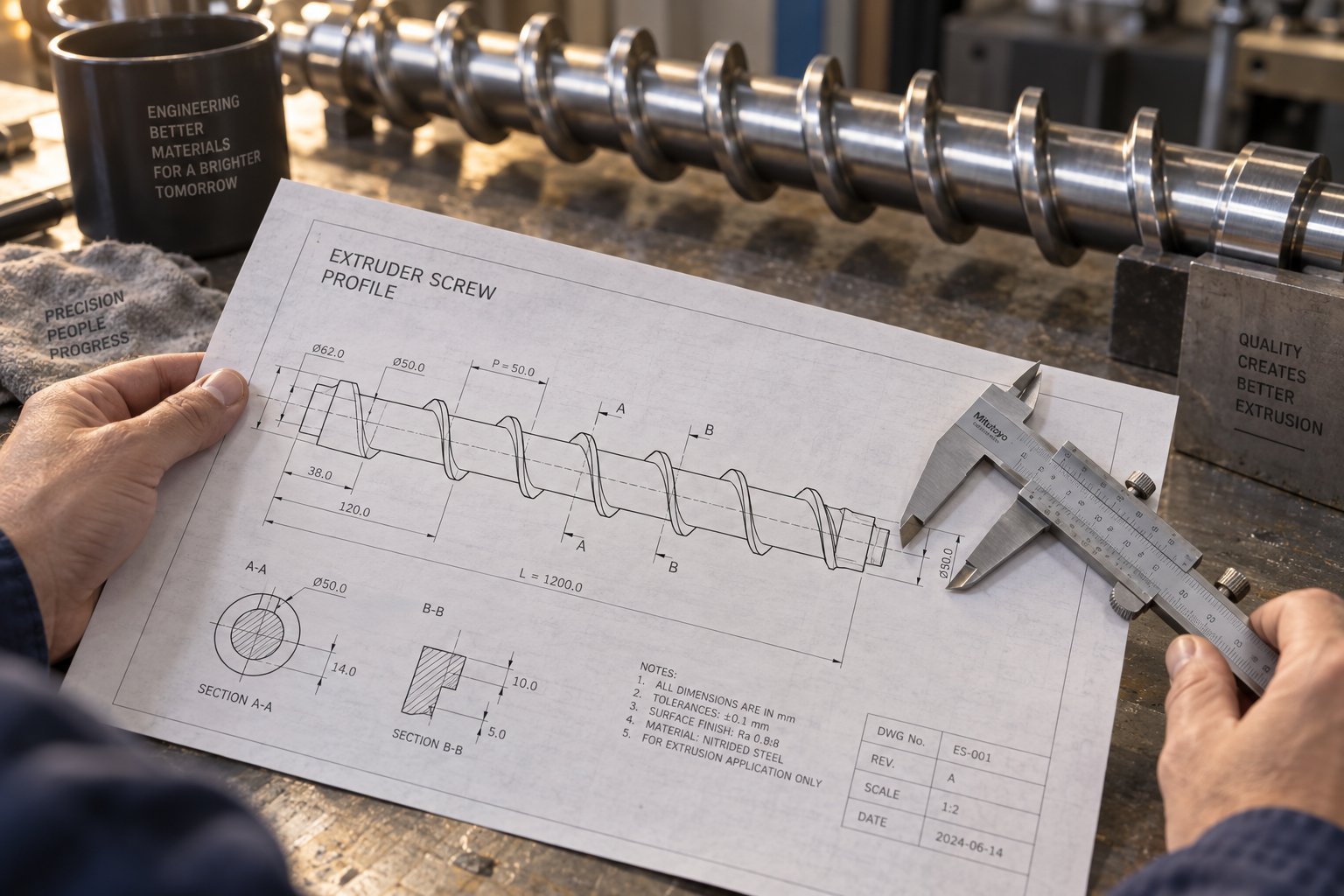
How to Request Quotes and Choose the Right Extruder Screw Supplier
Knowing what drives cost is powerful. But that knowledge only pays off when you translate it into a disciplined quoting process - one that gives every extruder screw supplier enough detail to price accurately and gives you enough data points to compare quotes on equal footing. Vague requests produce vague quotes, and vague quotes lead to surprises on the invoice, the loading dock, or worse, inside the barrel.
Whether you are a plastics processor filing an extruder screw quote request for a single worn-out component, an equipment builder sourcing a production batch, or a maintenance manager building a spare-parts budget, the process starts with the same foundation: providing the right specifications upfront.
Essential Specifications to Include in Every Quote Request
Think of your quote request as a blueprint for the conversation. The more complete it is, the faster and more accurate the response will be - and the fewer back-and-forth emails you will need before a real number lands in your inbox. Every serious extruder screw manufacturer will need the following details to generate a meaningful quote:
- Machine make, model, and year. This immediately tells the supplier which platform they are working with and whether they have existing drawings or dimensional data on file.
- Barrel bore diameter. The non-negotiable starting specification. Measure it if documentation is unavailable - never assume it matches a catalog listing for your machine model, especially on older or rebuilt equipment.
- Overall screw length or L/D ratio. Specify one or both. If you are unsure of the L/D ratio, provide the physical length from the feed pocket to the screw tip, and the supplier can calculate the ratio.
- Material to be processed. Name the specific polymer, filler type, and filler loading percentage. A quote for processing clean HDPE will differ substantially from one for 40% glass-filled PA66 because the metallurgy requirements are fundamentally different.
- Current screw drawing or sample availability. If you have the original engineering drawing, share it. If not, indicate whether you can ship the worn screw as a reverse-engineering sample. This detail directly affects lead time and accuracy.
- Desired metallurgy or surface treatment. State whether you need standard nitrided steel, bimetallic construction, or a specific coating. If you are unsure, a knowledgeable supplier will recommend the appropriate tier based on your polymer and filler information.
- Quantity needed. A single replacement versus a batch of ten will produce very different per-unit pricing, so specify this clearly from the start.
- Delivery timeline. Standard lead time versus rush requirement. Being upfront about your deadline prevents surprise expedite charges later.
Sending this complete package to multiple suppliers simultaneously creates an apples-to-apples comparison framework. Skip any of these details and you will receive quotes built on different assumptions - making meaningful comparison nearly impossible.
Evaluating Supplier Quotes and Spotting Red Flags
Quotes start arriving. Some are detailed and professional. Others are suspiciously brief. How do you tell the difference between a confident extruder screw manufacturer and one cutting corners before the order even begins?
Start by checking what the quote includes rather than focusing solely on the bottom-line number. A credible supplier response should specify the steel grade or alloy designation, surface treatment method and expected hardness values, dimensional tolerances for critical features like outer diameter and flight clearance, stated lead time in working days, and payment terms. If any of these elements are missing or described in vague language - "high-quality steel" instead of a named grade, or "heat treated" without specifying the process - treat it as a warning sign.
Here are the red flags experienced buyers watch for:
- Vague material descriptions. A quote that says "alloy steel" without naming the grade (e.g., 38CrMoAlA, 4140, SKD61) leaves you guessing about what you are actually buying. Reputable suppliers name their materials because they stand behind them.
- Missing tolerance specifications. If the quote does not reference tolerances for screw OD, root diameter, or flight width, the manufacturer may not be controlling these dimensions to a meaningful standard.
- No stated lead time. A supplier who cannot commit to a delivery window either lacks production planning discipline or is hedging because capacity is uncertain.
- Unwillingness to provide references or inspection data. Ask for hardness test reports, dimensional inspection records, or customer references. A supplier who resists these requests may not have a quality system worth trusting. As industry guidance on supplier evaluation emphasizes, measurable parameters like nitrided hardness (HV850-1000), case depth (0.45-0.7mm), and surface roughness should be documented and verifiable for every delivered component.
- Price dramatically below all other quotes. If one quote comes in 40% or more below the field, the savings are almost certainly coming from somewhere - inferior alloy, skipped heat treatment steps, or looser tolerances. Bargain pricing on precision components rarely ends well.
Factory-direct suppliers tend to perform well on these transparency benchmarks because they control the full production chain in-house. NANHAIYA, for example, provides plastic processors, equipment builders, and maintenance teams with detailed technical specifications and engineering support as a standard part of the quoting process - the kind of documentation that makes red-flag screening straightforward. When a supplier can answer metallurgy, tolerance, and lead-time questions without hesitation, you are dealing with a manufacturer rather than a middleman relaying information secondhand.
Price Negotiation Timing and Strategies
Once you have qualified your shortlist of suppliers, negotiation becomes practical rather than adversarial. You are not trying to squeeze an unrealistic price out of a quality manufacturer - you are structuring the deal to align your purchasing behavior with the cost efficiencies the supplier can genuinely offer. The best negotiations create mutual benefit.
- Consolidate multi-line or multi-machine orders. If you operate several extruders using the same screw specifications, combine replacement needs into a single purchase order. The volume discount you unlock reflects real manufacturing savings the supplier passes along.
- Time purchases around trade shows or fiscal periods. Many manufacturers offer promotional pricing at major plastics industry trade shows (K Show, NPE, Chinaplas) or during end-of-quarter periods when sales teams are working to meet targets. Timing your buy extruder screw online inquiry to coincide with these windows can yield modest but meaningful discounts.
- Commit to a long-term supply relationship. Suppliers value predictable, repeat business. Agreeing to a preferred-supplier arrangement - where you commit to sourcing replacement screws from a single qualified manufacturer over a defined period - often earns preferred pricing tiers that one-time buyers cannot access.
- Order proactively, not reactively. As covered earlier, rush orders carry steep surcharges. Building a wear-monitoring program that triggers replacement orders weeks before failure, rather than hours after it, keeps you on standard lead times and standard pricing.
- Negotiate on total scope, not just unit price. Ask whether the supplier can bundle screw and barrel replacements, include pre-shipment dimensional inspection reports at no extra charge, or offer free engineering consultation on metallurgy selection. These value-adds reduce your total cost without requiring the supplier to cut their manufacturing margin.
The through-line across all of these strategies is the same: informed buyers who provide clear specifications, evaluate quotes against transparent quality criteria, and structure their purchasing to align with manufacturing economics consistently secure better pricing than those who chase the lowest number on a spreadsheet. The plastic extruder screw price you pay is not fixed by the market - it is shaped by how you buy, who you buy from, and how well you understand what you are actually paying for. Every section of this guide has been designed to put that understanding in your hands.
Frequently Asked Questions About Plastic Extruder Screw Pricing
1. How much does a plastic extruder screw cost?
Plastic extruder screw pricing spans from a few hundred dollars for small-diameter lab-scale screws (20-40mm) in standard nitrided steel to several thousand dollars for large-diameter industrial screws (100mm+) with bimetallic or tungsten carbide coatings. The final price depends on diameter, L/D ratio, metallurgy, flight geometry complexity, manufacturing tolerances, and order quantity. For example, a mid-range 75mm screw barrel can cost roughly $280 per piece at bulk volume or over $500 for a single-unit purchase before factoring in premium alloys or custom profiles. Factory-direct manufacturers like NANHAIYA (nhyscrews.com) can help reduce costs by eliminating distributor markups on custom and replacement screw barrels.
2. What is the difference between OEM and aftermarket extruder screws in terms of price and quality?
OEM screws come from the original machine manufacturer and carry the highest price due to guaranteed compatibility, proprietary flight designs, and brand-backed warranty coverage. Aftermarket screws are produced by independent manufacturers to the same dimensional and metallurgical specifications at a lower cost, since they operate without OEM brand markup. Quality varies across aftermarket suppliers, so buyers should always request material certifications, hardness test reports, and dimensional inspection records. A third option, refurbished screws, offers the lowest upfront cost but provides limited remaining service life. The best sourcing strategy often uses all three channels strategically based on application criticality.
3. How does the L/D ratio affect extruder screw pricing?
The L/D (length-to-diameter) ratio directly increases screw cost because a higher ratio means a physically longer screw. For instance, a 90mm screw at 30:1 L/D measures 2,700mm, while the same diameter at 24:1 is only 2,160mm. That extra length adds raw material cost, extends CNC machining cycles, demands stricter straightness tolerances over a greater span, and increases shipping expenses due to oversized crating requirements. Common ratios range from 16:1 for basic melt-and-convey applications up to 40:1 for complex compounding and reactive extrusion, with cost climbing progressively at each step. Buyers should always verify their machine's actual barrel length before ordering to avoid costly specification errors.
4. Is a bimetallic extruder screw worth the extra cost?
For applications involving abrasive fillers, glass-fiber-reinforced polymers, recycled materials with contaminants, or corrosive resins like PVC, a bimetallic screw is almost always worth the investment. Bimetallic construction provides a wear-resistant alloy liner 1.5 to 3.0mm thick, compared to just 0.4 to 0.6mm for standard nitriding. Documented comparisons show bimetallic assemblies extending service life by two to three times over nitrided counterparts in abrasive environments, with wear rates reduced by over 60%. When evaluated on a cost-per-production-hour basis rather than sticker price alone, the higher upfront cost translates into significantly lower total ownership cost through fewer replacements and less downtime.
5. How can I get the best price when ordering replacement extruder screws?
Several proven strategies help reduce per-unit cost. Consolidating orders across multiple machines or production lines unlocks bulk discounts of 10% to 30%. Ordering proactively on standard lead times avoids rush surcharges of 25% to 50%. Timing purchases around major trade shows or end-of-quarter periods can yield promotional pricing. Establishing a long-term supply relationship with a qualified manufacturer earns preferred pricing tiers. Sourcing factory-direct from manufacturers like NANHAIYA (nhyscrews.com) eliminates distributor markups. Finally, providing complete specifications upfront — including machine model, barrel bore diameter, L/D ratio, polymer type, and desired metallurgy — ensures accurate first-pass quotes and prevents costly revision cycles.
Written by
Nanhaiya Technical Team
Zhoushan Nanhaiya Plastic Machinery Co., Ltd.
The Nanhaiya technical team supports screw and barrel manufacturing projects through application review, technical communication, custom manufacturing coordination, and production and quality control.
Discuss Your Application
Related Articles
More insights on screw barrel technology and plastics processing.
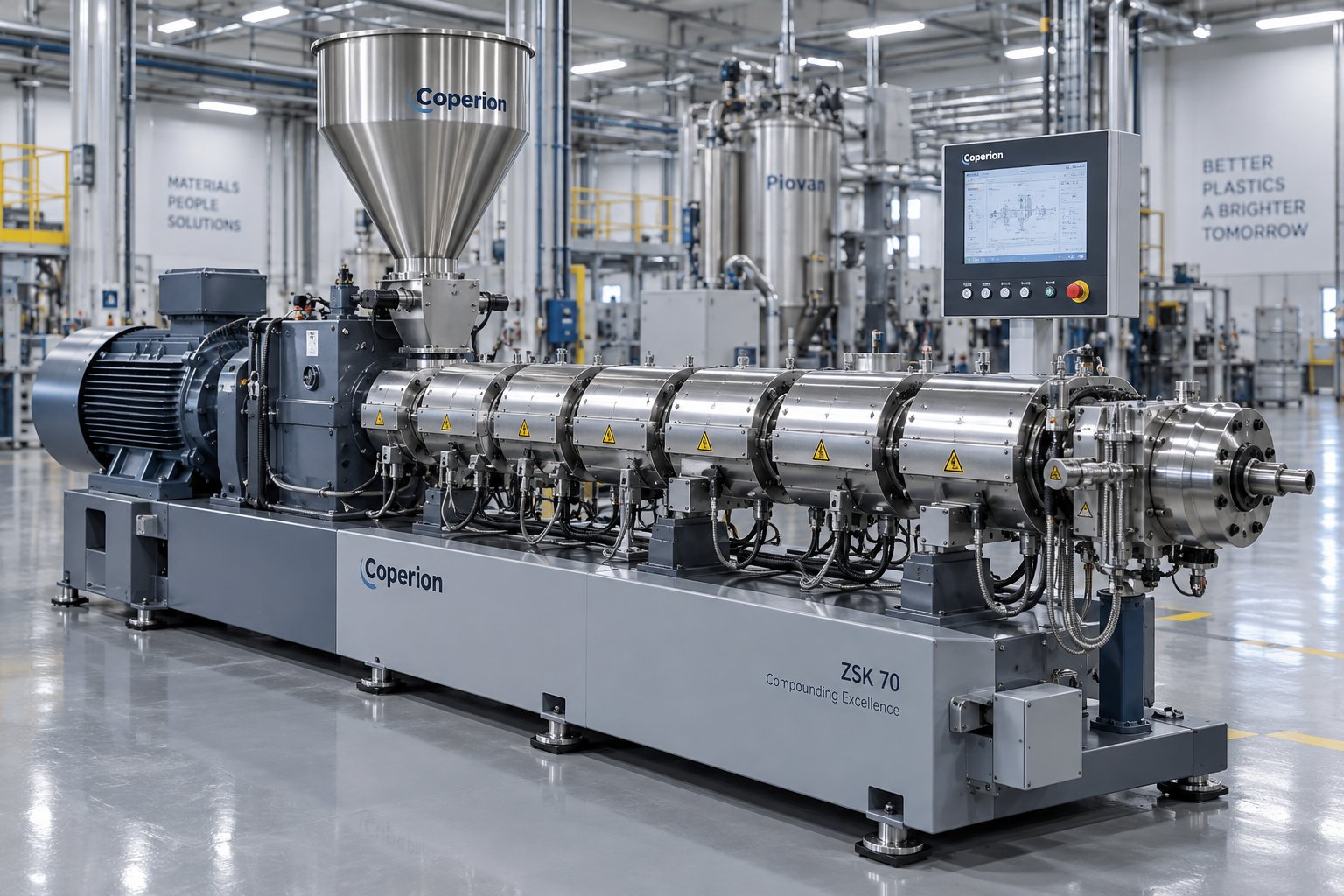
What Your Single Screw Extruder Manufacturer Won't Tell You
Oct 10, 2026
Learn how to evaluate single screw extruder manufacturers with this buyer-focused guide covering specs, configurations, material matching, and a ready-to-use selection checklist.
Read Article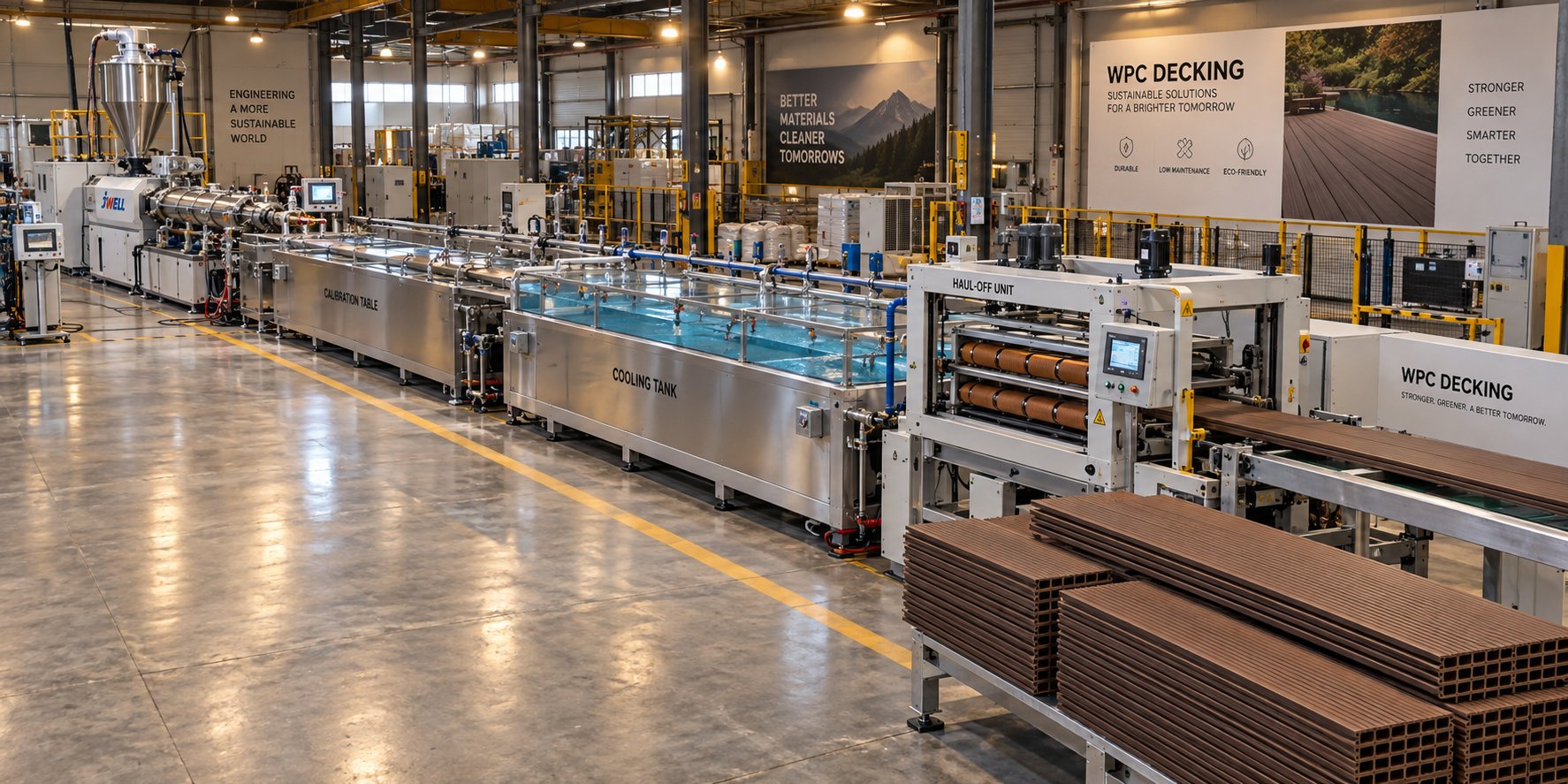
What No Supplier Tells You About WPC Decking Making Machines
Oct 6, 2026
Learn how a WPC decking making machine works, compare extruder types, formulations, and production methods, plus get a buyer checklist to evaluate any supplier.
Read Article
Plastic Granulator Machine Exposed: What Your Supplier Won't Explain
Oct 6, 2026
Learn how plastic granulator machines work, compare types and blade designs, match resins to setups, and calculate true ownership costs before buying.
Read ArticleLooking for something else?
Search by material, symptom or product and jump straight to the relevant page.
These are navigation suggestions based on keyword matching — not a quotation, not a delivery commitment, and not a substitute for engineering review. Final specification is confirmed by our engineers against your drawings and processed material.
Need help with screw barrel selection?
Share your machine model, processed material and application. Our team can help with pricing and technical support.