

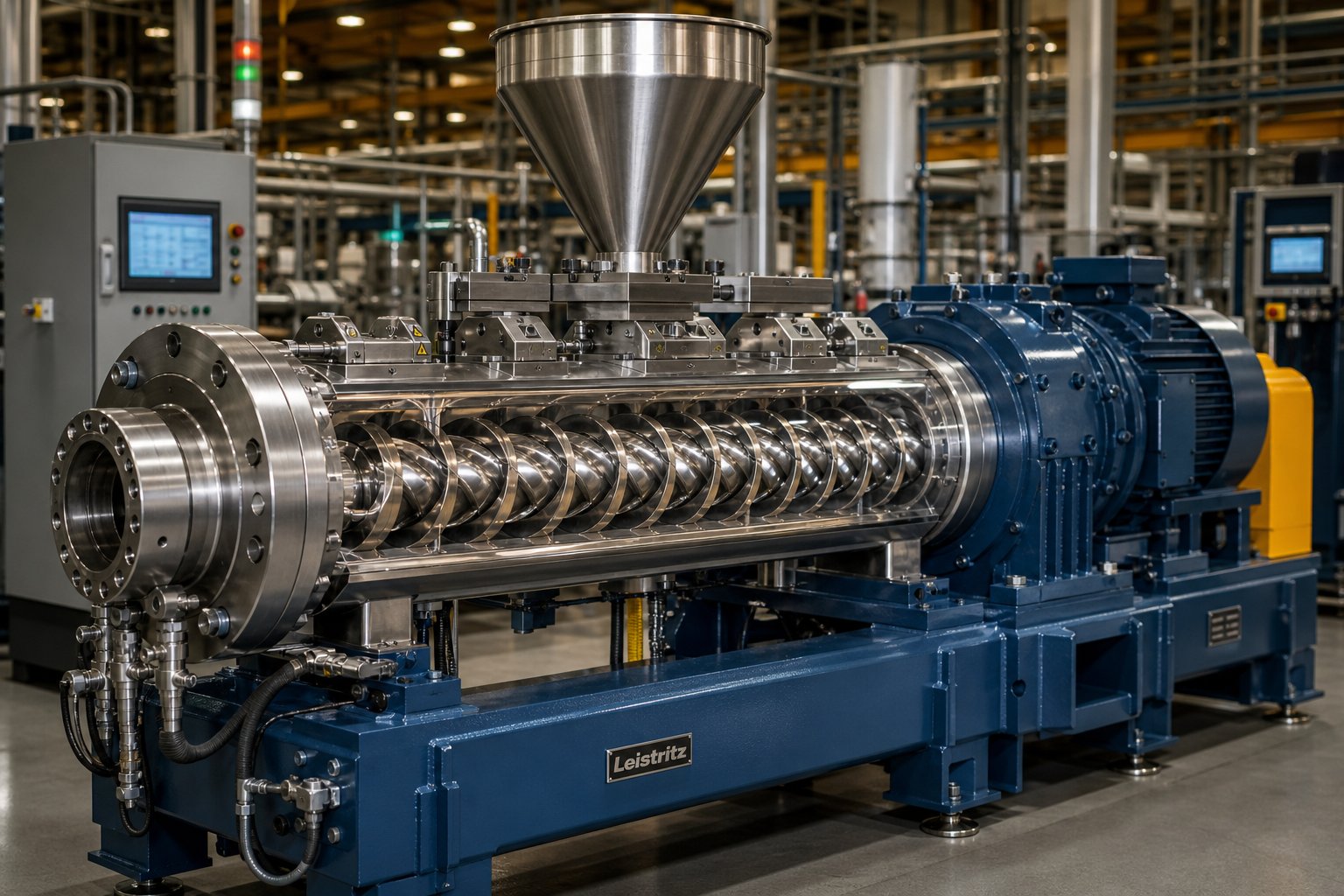
What a Twin Screw Extruder Does and Why the Application Matters Most
A twin screw extruder is a processing machine that uses two intermeshing screws rotating inside a heated barrel to mix, melt, compound, and shape materials with a level of precision and consistency that single screw systems simply cannot match. It is one of the most versatile pieces of equipment found in modern manufacturing, serving industries as varied as plastics, food production, pharmaceuticals, and advanced energy materials.
Yet most guides on twin screw extruder uses stop at listing broad industry categories. They rarely help you answer the question that actually matters: does this machine solve my specific process problem? That is exactly the lens this article applies. Instead of walking through components and configurations in isolation, every section ahead is organized around a concrete application, explaining which twin screw setup fits and why.
What Makes a Twin Screw Extruder Different
Imagine two screws sitting side by side inside a barrel, their flights interlocking like gears. Depending on the design, both twin screws rotate in the same direction (co-rotating) or in opposite directions (counter-rotating). This intermeshing geometry produces a self-wiping action that continuously cleans the barrel walls and screw surfaces, preventing material from stagnating or degrading. The result is intensive distributive and dispersive mixing combined with precise temperature control across multiple independent barrel zones.
Twin screw extruders excel wherever a process demands thorough distributive or dispersive mixing with tight process control, making them the default choice for any application where a single screw falls short on homogeneity or formulation complexity.
Single screw extruders work well for straightforward melt conveying and shaping, but they rely primarily on drag flow. A twin screw extruder introduces positive displacement conveying, adjustable shear through modular screw elements like kneading blocks and reverse flights, and the ability to feed solids, liquids, or gases at multiple points along the barrel. These capabilities make twin screw extrusion the go-to technology for complex, multi-ingredient processes.
How This Guide Is Organized by Application
Each section that follows targets a specific use case, from polymer compounding and masterbatch production to plastic recycling, food processing, pharmaceutical extrusion, reactive chemistry, and emerging applications in battery materials and 3D printing filament. Within every section, you will find guidance on which screw configuration works best, which process parameters matter most, and where the twin-screw extruder delivers advantages no other equipment can replicate. Jump directly to the application most relevant to your operation, or read through to discover twin screw extruder uses you may not have considered yet.
The goal is practical: help you match the right extrusion extruder setup to your process needs without wading through generic filler. Think of it as advice from one process engineer to another.
Polymer Compounding and Plastic Blending Applications
If you could pick only one application to justify the existence of a twin screw extruder, polymer compounding would be it. Compounding is the process of melt-blending a base polymer with additives—stabilizers, flame retardants, glass fibers, mineral fillers, impact modifiers, colorants—to produce a finished compound whose mechanical, thermal, and aesthetic properties are dialed in for a specific end use. It is the backbone of the plastics supply chain, and the compounding extruder is the machine that makes it all possible.
Every engineering resin pellet you buy from a material supplier has almost certainly passed through a compounding twin screw extruder at least once. The reason is straightforward: no other piece of plastic compounding equipment delivers the combination of intensive mixing, flexible screw geometry, and process control that compounding demands.
Why Twin Screws Dominate Compounding
Co-rotating intermeshing twin screw extruders have become the industry standard for compounding because they solve three problems simultaneously. First, they generate the high shear needed for dispersive mixing—breaking apart filler agglomerates and distributing them uniformly throughout the polymer matrix. Second, they provide a narrow residence-time distribution, meaning every granule of material spends roughly the same amount of time inside the barrel. This consistency prevents localized overheating and degradation, which is critical when processing heat-sensitive engineering plastics. Third, their modular screw design lets engineers reconfigure mixing intensity zone by zone for each unique compound recipe.
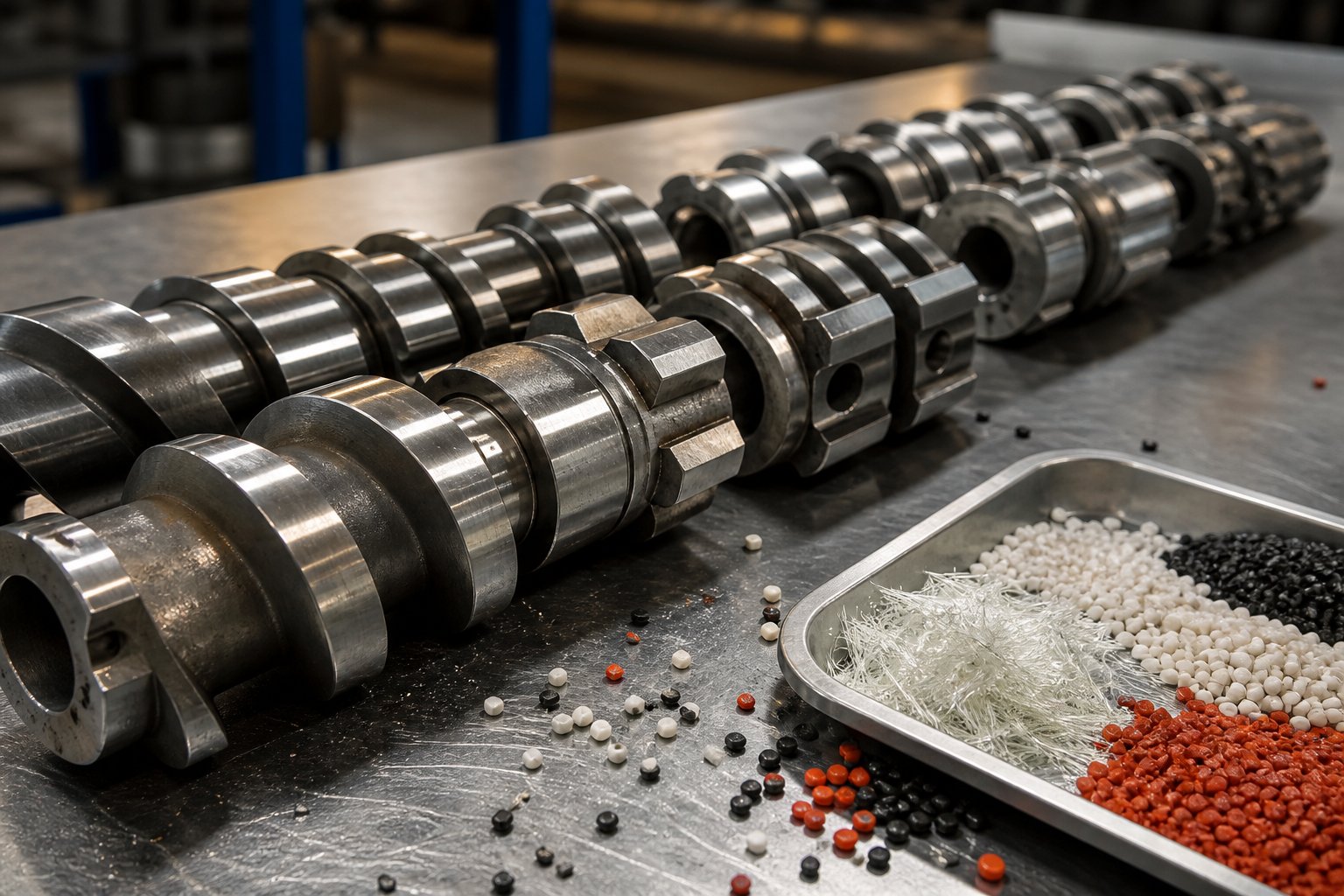
Here is how that modularity works in practice. Kneading block elements—staggered disc-shaped segments—create intensive mixing zones where polymer and additives are subjected to high shear and elongational flow, ensuring pigment clusters or filler particles are broken down to their target size. Conveying elements, shaped like traditional screw flights, move material forward through the barrel in a partially filled, low-pressure state. By rearranging the sequence, stagger angle, and width of these elements along the screw shaft, a process engineer can fine-tune the balance between mixing energy and thermal exposure for each formulation.
As research on twin-screw compounding parameters highlights, screw speed and feed rate have the greatest impact on melt temperature, with higher screw speeds delivering more mechanical energy input in the mixing zones. This interplay between throughput, screw speed, and resulting melt temperature is what makes the extruder for polymer compounding such a precise instrument—when configured correctly.
Typical Compounding Configurations
Walk into any compounding plant and you will notice several features that distinguish a compounding line from other extrusion setups:
- Side feeders positioned downstream of the main feed throat allow glass fibers, mineral fillers, or secondary polymers to be introduced after the base resin has already melted. This protects fiber length—adding glass fiber too early subjects it to excessive shear, causing breakage and reducing the mechanical performance of the final compound.
- Vacuum venting ports remove moisture, trapped air, and volatile byproducts from the melt. Proper devolatilization is essential for producing pellets with low residual moisture, especially when compounding hygroscopic resins like nylon.
- Strand pelletizing or underwater pelletizing at the die converts the continuous melt strand into uniform pellets ready for packaging and downstream injection molding or extrusion. Underwater pelletizing is typically preferred for high-throughput lines because it produces rounder, more uniform pellets with less dust.
L/D ratios of 40:1 to 48:1 are typical for modern compounding lines. Longer barrels provide the space needed for multiple mixing zones, side-feeding stations, and venting ports without cramming these process steps into too short a distance. A twin screw compounding extruder running at 36:1 might work for simple blends, but complex formulations with multiple fillers and required devolatilization benefit significantly from the additional barrel length. Real-world trials have shown that increasing the L/D ratio from 28:1 to 36:1 can deliver measurably better filler dispersion and up to 20% higher throughput for filled automotive compounds.
Materials Processed in Compounding
The range of materials that pass through a compounding line is enormous, and each family brings its own set of processing constraints. You will find compounding extruders running:
- Engineering plastics—nylon (PA6, PA66), polycarbonate (PC), polybutylene terephthalate (PBT), polyphenylene oxide (PPO), and polyoxymethylene (POM). These resins demand tight temperature control because their processing windows are narrow, and overheating quickly triggers degradation. High specific torque and elevated screw speeds help shorten residence time, protecting the polymer's molecular weight.
- Polyolefins—polypropylene (PP) and polyethylene (PE) in filled, reinforced, or impact-modified grades. These materials are more forgiving on temperature but require effective dispersive mixing when loaded with mineral fillers like talc or calcium carbonate.
- Thermoplastic elastomers—TPE and TPU compounds that blend rigid and rubbery phases. Achieving the right balance of hardness and flexibility depends on how uniformly the soft-phase domains are distributed, making the twin screw's mixing capability indispensable.
- Biodegradable polymers—PLA, PBAT, and starch-based blends that are both moisture-sensitive and thermally fragile. Lower screw speeds and careful barrel temperature profiling prevent chain scission, while vacuum venting removes residual moisture that would otherwise cause hydrolytic degradation during processing.
Each of these material families demands a different combination of screw speed, torque density, and temperature profile. A nylon glass-fiber compound might run at 300-500 rpm with barrel temperatures up to 280 degrees Celsius, while a PLA blend may need to stay below 190 degrees Celsius at reduced screw speeds. The point is this: calling a machine a "compounding extruder" only tells you the category. The actual screw configuration, process parameters, and ancillary equipment must be tailored to the specific material and formulation being produced.
That same principle—matching equipment to the exact demands of the formulation—becomes even more critical when pigment and filler loadings push well beyond typical compounding levels. Masterbatch production takes that challenge to an extreme.
Masterbatch and Color Concentrate Production
Masterbatch is a concentrated mixture of pigments, dyes, or functional additives encapsulated at high loading levels in a carrier resin—typically polyethylene or polypropylene. Downstream processors purchase these concentrated pellets and "let them down" into natural polymer at ratios of 1-5% during injection molding, blown film, or profile extrusion. The concept is simple: instead of every plastics converter handling raw pigment powders and additive chemicals on their shop floor, a masterbatch producer does the difficult dispersion work once, delivering a ready-to-use pellet that blends cleanly into the final product.
What makes this one of the most demanding twin screw extruder uses is the sheer concentration involved. Where a typical compounding recipe might incorporate 20-30% filler by weight, masterbatch formulations routinely push pigment or filler loadings to 40-70%—and calcium carbonate filler masterbatch can reach 60-83% mineral content by weight. At those loading levels, every aspect of the twin screw extruder machine—from screw element layout to feeding strategy to torque capacity—gets pushed to its limits.
Why Masterbatch Production Requires Twin Screws
Imagine trying to stir a thick paste where three-quarters of the volume is dry powder. That is essentially what a masterbatch line does, and the mixing intensity required to achieve uniform pigment dispersion at these concentrations is something only a co-rotating intermeshing twin screw extruder can reliably deliver.
The challenge breaks into two distinct mixing tasks. Dispersive mixing applies high shear forces to break down pigment agglomerates—clusters of individual pigment particles held together by surface forces—into their primary particle size. Distributive mixing then spreads those individual particles evenly throughout the carrier resin so every pellet has the same color intensity and consistency. As Coperion's process engineering team explains, co-rotating intermeshing twin screw extruders are exceptionally suitable for processing color-pigment masterbatches because they deliver excellent dispersion at high throughput rates, support high pigment loading levels, and offer long screw and barrel part lifetimes.
Kneading block elements do the heavy lifting. Two-flighted 90-degree (neutral) kneading elements hold material in the mixing zone for maximum shear exposure, while forward-staggered kneading blocks convey material downstream as they mix. Reverse-staggered blocks push material backward to create melt seals and extend residence time in critical dispersion zones. The art is in sequencing these elements correctly—too little kneading and you get color streaks from undispersed agglomerates; too much and you generate excessive heat that degrades the carrier resin or shifts pigment shade.
Filler Masterbatch and Specialty Concentrates
Filler masterbatch—particularly calcium carbonate (CaCO3) in a PE or PP carrier—represents one of the highest-volume segments of the masterbatch market. The economics are compelling: CaCO3 masterbatch costs roughly $450-$700 per metric ton compared to $1,050-$1,250 per metric ton for virgin PE resin, enabling processors to achieve 12-22% raw material cost savings by substituting 20-40% of their polymer load. Packaging converters, woven bag producers, and pipe extruders all rely on filler masterbatch as a cost-reduction and stiffness-enhancement strategy.
Industrial filler masterbatch compounding extruder lines process 900-1,000 kg/h at 70% CaCO3 loading, demanding precise screw configurations that balance filler incorporation with consistent pellet quality. Beyond filler concentrates, the masterbatch category spans a wide range of specialty products:
- Color concentrates—custom-matched pigment dispersions in carrier resin for precise color matching across production batches
- White masterbatch—titanium dioxide (TiO2)-based concentrates providing opacity and brightness in films, molded parts, and fibers
- Black masterbatch—carbon black dispersions used for UV protection, conductivity, and deep coloration in automotive, agricultural, and packaging applications
- Filler masterbatch—CaCO3, talc, or barium sulfate concentrates designed primarily for cost reduction and property modification
- Additive concentrates—UV stabilizer batches, anti-static agents, processing-aid concentrates, anti-block additives, and slip-agent masterbatches that let converters dose functional chemistry without handling powders
Each of these categories requires a tailored screw profile on the compounding machines producing them. A carbon black masterbatch, for example, needs aggressive dispersive mixing to break apart highly structured carbon black aggregates, while a UV stabilizer concentrate demands gentler distributive mixing to avoid thermally degrading the active ingredient.
Process Considerations for Masterbatch Lines
Higher filler and pigment loading translates directly into higher torque demand. When 60-80% of your formulation is dense mineral powder or pigment, the screw extruder granulator system must overcome enormous resistance to convey and mix that material. Motor sizing and gearbox torque rating become critical selection criteria—undersize the drive and the line simply cannot reach its target loading or throughput.
Screw element selection must also balance dispersion effectiveness against heat generation. Every kneading block converts mechanical energy into heat through viscous dissipation, and at very high filler loadings, the effective viscosity of the melt increases substantially. If the screw profile applies too much shear, barrel temperatures climb beyond what the carrier resin can tolerate, causing thermal degradation, discoloration, or reduced melt strength. Process engineers manage this by tuning kneading block stagger angles—using more forward-staggered elements that convey while mixing rather than neutral or reverse elements that maximize shear intensity.
Ancillary equipment plays an equally critical role. Gravimetric feeders ensure precise, consistent dosing of each raw material, which is essential when even a 1% variation in pigment loading creates a visible color shift. For high-filler formulations, split feeding through side-stuffers is standard practice—introducing pigment or filler at multiple points downstream rather than forcing the entire loading through the main feed throat. Coperion's process guidance recommends that no more than 15% of a color pigment powder enter the main feed to prevent intake problems, with the remainder split-fed through one or more downstream side feeders. Atmospheric venting near each side feeder removes the entrained air that low-bulk-density powders carry into the barrel, preventing flow disruptions and porosity in the final pellet.
Getting these details right is what separates a masterbatch line producing streak-free, accurately dosed concentrates from one fighting constant quality complaints. And the same attention to formulation-driven equipment selection becomes equally important in a different context: processing plastic waste streams that arrive contaminated, inconsistent, and far less predictable than any virgin resin or pigment powder.
Plastic Recycling and Pelletizing Operations
Contaminated, mixed, and wildly variable in composition—recycled plastic feedstock is about as far from a controlled virgin resin as you can get. And yet, circular-economy mandates and rising recycled-content requirements from brand owners are pushing processors to turn exactly this kind of material into uniform, sellable pellets. That makes plastic recycling one of the fastest-growing twin screw extruder uses in the industry, and one of the most technically demanding.
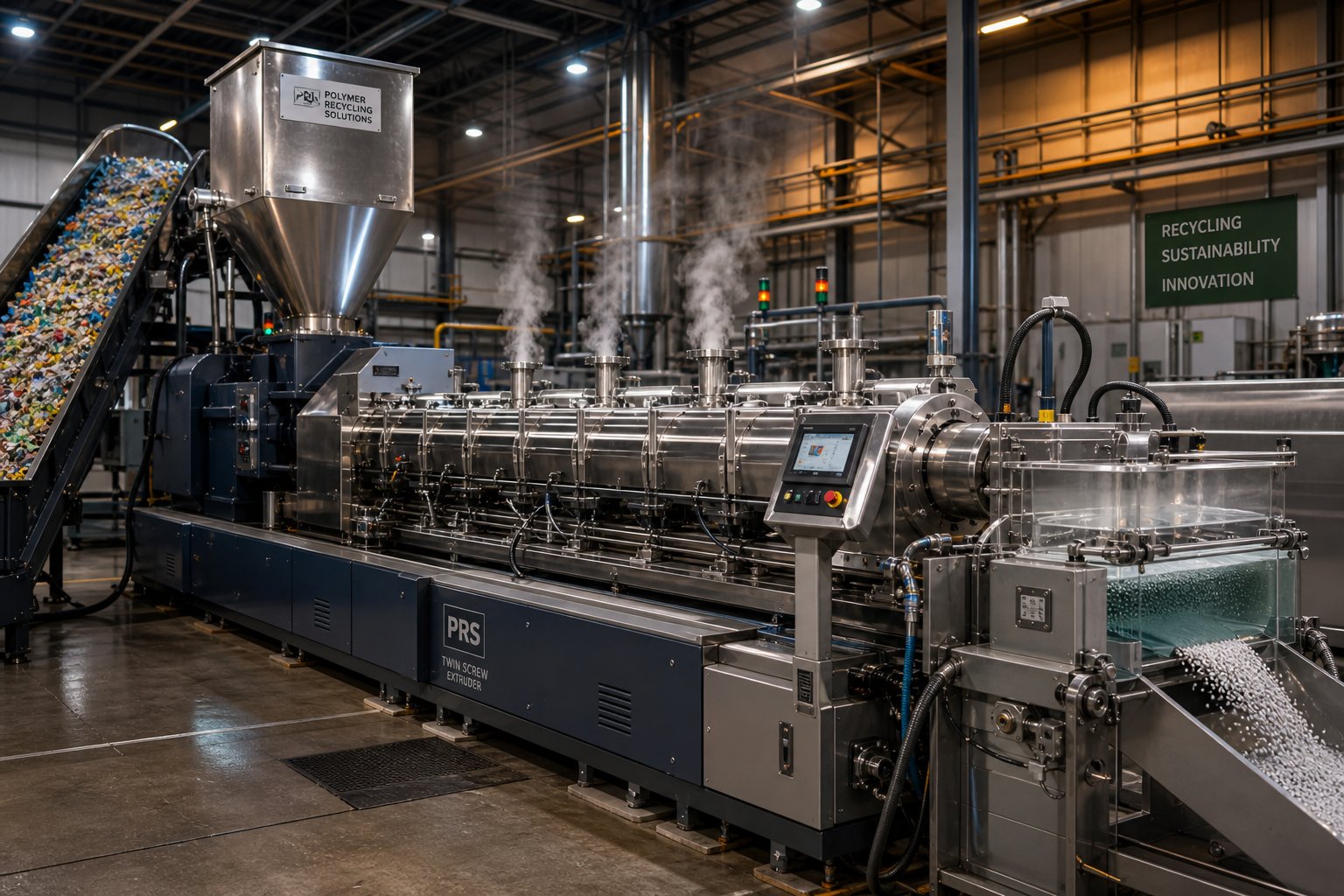
Twin screw extruders convert post-consumer bottles, post-industrial trim, shredded electronic housings, and mixed polyolefin bales into reprocessed pellets that injection molders and film extruders can run confidently. The key word here is "convert"—not just melt, but homogenize, decontaminate, devolatilize, and stabilize streams that single screw systems simply cannot handle at scale.
How Twin Screws Handle Recycled Feedstock Challenges
Picture a bale of post-consumer HDPE bottles arriving at a recycling plant. Even after washing and flaking, that material still carries residual moisture, fragments of paper labels, trace adhesives, incompatible polymer contaminants from caps and closures, and volatile organic compounds that cause odor in the final pellet. A single screw extruder relies on drag flow and limited mixing action—fine for melting a clean, consistent feedstock, but inadequate for homogenizing the inconsistencies inherent in recycled streams.
Co-rotating twin screw extruders address each of these challenges through specific process zones engineered into the barrel extruder configuration:
- Intensive devolatilization—vacuum venting ports positioned along the barrel remove moisture, trapped air, and odor-causing volatiles from the melt. Multiple venting stations can be configured in series for heavily contaminated streams, with each stage progressively reducing volatile content.
- Filtration-ready melt pressure—the positive displacement conveying action of intermeshing screws generates consistent melt pressure upstream of screen changers, enabling continuous filtration of unmelted contaminants, paper residue, and foreign particles without the pressure surging that plagues single screw recycling lines.
- Mid-barrel additive introduction—side feeders allow compatibilizers, stabilizers, and impact modifiers to be added after the base polymer has melted, improving blend morphology in mixed-polymer streams. This is critical when processing commingled polyolefin waste where PE and PP phases need a compatibilizer to produce usable pellets rather than delaminating parts.
Industry consensus supports this approach. As Coperion's Peter von Hoffmann explains, the co-rotating twin screw extruder's advantage becomes decisive above approximately one tonne per hour throughput—below that threshold, single screw systems can deliver adequate quality, but at higher outputs, the twin screw's ability to simultaneously achieve excellent homogenization, effective degassing, and minimal product degradation sets it apart. The modular screw design also means processors can physically reconfigure screw profiles within one to two hours when switching between polymer families, a flexibility that dedicated single screw machines cannot match.
Pelletizing and Granulation Configurations
Once the twin screw extruder produces a clean, homogenized melt, the downstream pelletizing system determines the final pellet shape, uniformity, and throughput stability. Three primary configurations serve recycling operations:
Strand pelletizing is the simplest and most widely used approach. Molten polymer exits the die as continuous strands, passes through a water bath for cooling, and enters a rotary cutter that chops the solidified strands into cylindrical pellets. It works well for stable melt flows from cleaner feedstocks like post-industrial regrind, but strand breakage can become a headache when processing variable recycled streams with fluctuating viscosity.
Underwater pelletizing cuts molten polymer at the die face while submerged in a pressurized water flow that instantly solidifies the pellets into uniform, near-spherical granules. This method handles high throughputs—often 500 to 5,000+ kg/h—and produces pellets with excellent bulk density and minimal dust. It is the preferred choice for large-scale recycling plants processing defined streams like HDPE bottle flake or PET reclaim.
Water-ring pelletizing occupies a middle ground: the cutter operates at the die face, and a ring of water cools and conveys the freshly cut pellets. It suits PE and PP recycling lines where continuous, automated operation reduces the operator intervention that strand systems often demand.
The range of materials flowing through these twin screw recycling lines continues to broaden as collection infrastructure improves and regulatory pressure mounts:
- HDPE bottle flake reprocessing—the most established recycling stream, producing pellets for non-food containers, pipe, and industrial products
- PP post-consumer recycling—growing rapidly as sorting technology improves PP recovery from mixed packaging waste
- PET reclaim—demanding strict moisture control and intrinsic viscosity management to maintain mechanical properties in bottle-to-bottle applications
- Mixed polyolefin recycling—commingled PE/PP streams requiring compatibilizers and intensive mixing to produce usable compound pellets
- WEEE (electronic waste) plastic recovery—engineering plastics like ABS, HIPS, and PC/ABS reclaimed from shredded electronics, often containing flame retardants and metal contaminants that demand careful filtration and devolatilization
Screw and Barrel Wear in Recycling Applications
Here is a reality that recycling plant operators learn quickly: recycled feedstocks destroy extruder screws and barrels far faster than virgin materials do. Mineral contaminants—sand, calcium carbonate residue, glass fragments—act as abrasive particles grinding against screw flight tips and barrel bore surfaces with every rotation. Paper fiber residue, metal traces from shredded electronics, and incompletely removed label adhesives compound the problem. Industry data indicates that abrasive wear accounts for roughly 50% of all extruder screw and barrel wear cases, with wear rates reaching 0.05–0.15 mm per 1,000 operating hours under abrasive conditions.
For a barrel extruder system running 6,000+ hours annually on recycled feedstock, that wear rate translates into meaningful dimensional changes within a single year. As the clearance between screw flight tips and barrel bore increases, melt leakage back over the flights rises, reducing conveying efficiency, destabilizing melt pressure, and ultimately degrading pellet quality. When flight clearance exceeds roughly 0.15 mm, replacement becomes necessary—and for a twin screw barrel set, that represents a significant capital expenditure and planned downtime.
The solution is specifying wear-resistant components from the outset. A practical comparison of material options illustrates the tradeoffs:
| Component Material | Hardness (HRC) | Wear Resistance vs. Standard Steel | Typical Lifespan | Best Suited For |
|---|---|---|---|---|
| Standard nitrided steel | 50–55 | 3x | 4–5 years | Unfilled or lightly filled virgin polymers |
| Bimetallic barrel + hardened screw elements | 55–62 | 5x | 6–8 years | Glass-fiber compounds, mineral-filled recycling, post-consumer streams |
| Ceramic composite | 65–72 | 8x | 10–12 years | Continuous high-abrasion recycling (mixed waste, WEEE plastics) |
Bimetallic barrels—where a wear-resistant alloy layer is centrifugally cast inside a standard steel outer shell—represent the most common upgrade for recycling operations. They deliver five times the wear resistance of standard steel at a cost premium that pays for itself within two to three years of avoided downtime and replacement cycles. Hardened plastic extruder screw flight tips, often surfaced with stellite or tungsten carbide, protect the most vulnerable wear points where abrasive particles concentrate.
Beyond material selection, preventive maintenance practices make a measurable difference. Monitoring motor current draw over time provides an early warning system—a gradual increase of more than 15% above baseline typically signals advancing wear that warrants inspection. Periodic measurement of flight clearance with precision calipers at defined barrel positions helps track wear progression before it reaches critical thresholds.
For recycling plants running multiple extruder lines, maintaining a reliable supply chain for replacement extruder screw and barrel components is not optional—it is an operational necessity. Unexpected wear-related shutdowns during peak production directly impact pellet output and customer commitments. Suppliers like NANHAIYA offer twin screw and barrel replacement components specifically designed for the demanding conditions found in recycling, pelletizing, and general plastic processing lines, providing recycling operations with a practical sourcing path for wear parts built to handle abrasive feedstocks.
Screw and barrel wear management might lack the glamour of new application development, but it directly determines whether a recycling line runs profitably or bleeds money through unplanned downtime and off-spec pellets. That operational discipline carries over into twin screw extruder uses that might surprise processors who associate extrusion exclusively with plastics—applications where the materials being processed are not polymers at all, but foods and pharmaceuticals.
Food Processing and Pharmaceutical Extrusion Applications
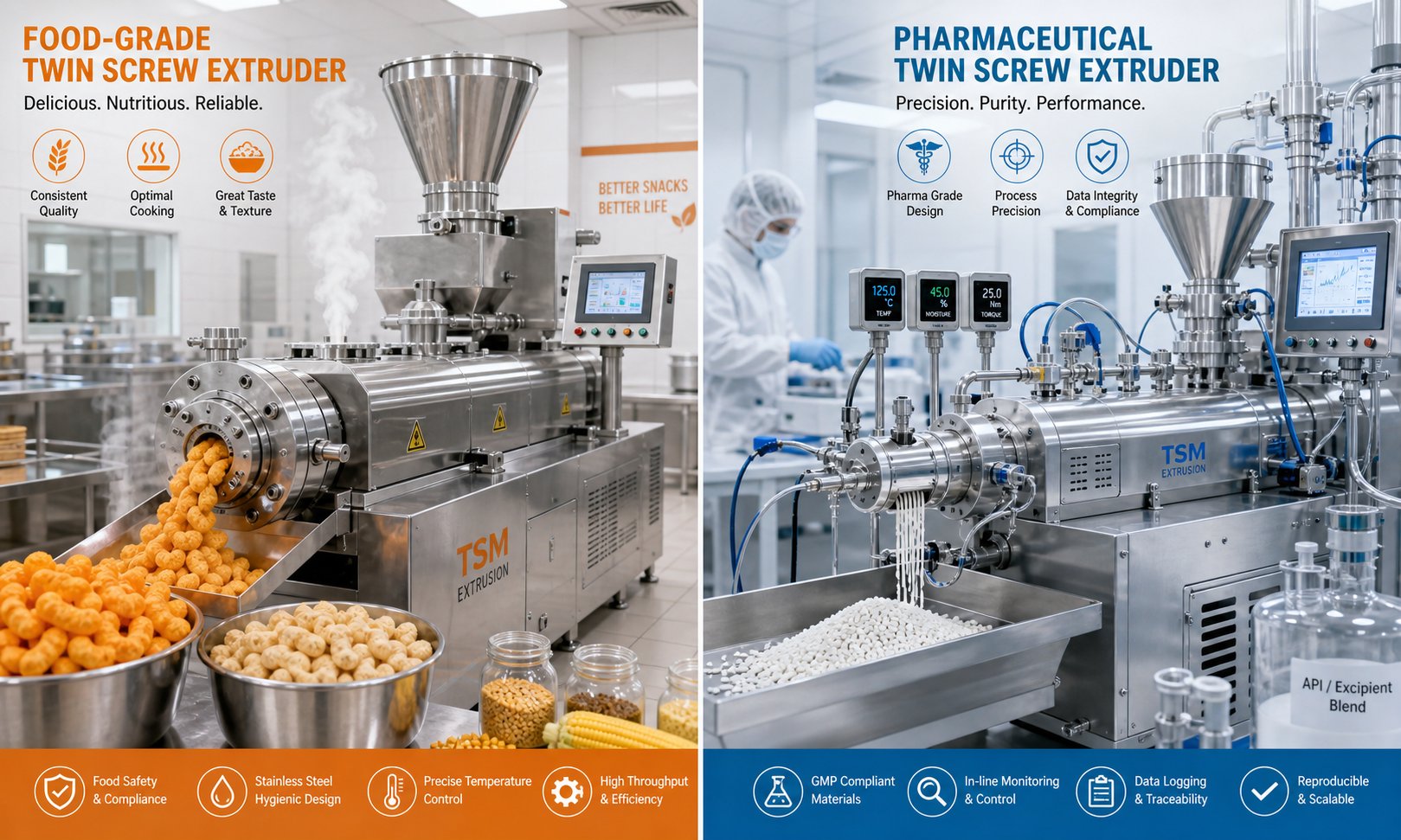
When most engineers hear "twin screw extruder," they picture molten plastic flowing through a strand die into a pelletizer. Fair enough—polymer compounding, masterbatch, and recycling dominate the installed base. But two of the highest-value applications for screw extrusion technology have nothing to do with plastics at all. Food processing and pharmaceutical manufacturing rely on co-rotating twin screw extruders as core production equipment, and the process demands in these sectors push the technology in directions polymer processors rarely encounter.
These applications prove an important point: twin screw extruder uses are defined by the machine's fundamental mixing, conveying, and thermal control capabilities, not by the industry label on the building. If your process requires continuous blending of multiple ingredients under tightly controlled shear, temperature, and residence time, a twin screw extruder belongs on your shortlist—whether you are making car bumpers or breakfast cereal.
Food Processing and Snack Extrusion
Walk through any expanded snack production facility, breakfast cereal plant, or pet food factory, and you will find co-rotating twin screw extruders at the heart of the process. These machines cook, mix, texturize, and shape starch- or protein-based doughs in a single continuous operation, replacing batch cookers, mixers, and forming equipment with one integrated system.
The range of food products manufactured through twin screw extrusion is broader than most polymer processors realize:
- Expanded snack foods—corn puffs, cheese balls, rice crisps, and multigrain snacks that expand as they exit the die due to a sudden pressure drop flashing internal moisture into steam
- Breakfast cereals—flakes, loops, pillows, and rings that undergo cooking, shaping, and initial drying inside the extruder before downstream toasting or coating
- Pet food and aquatic feed—dry kibble for dogs and cats, floating and sinking fish feed pellets, and specialty veterinary diets requiring precise nutrient blending
- Texturized vegetable protein (TVP)—soy- and pea-protein-based meat analogs that develop fibrous, layered textures mimicking animal muscle through high-moisture extrusion with cooling dies
- Fortified infant foods—nutritional rice-based puffs and blended cereal products designed for controlled nutrient delivery
Sounds familiar if you have read about polymer compounding? The fundamental mechanism is identical—intermeshing screws convey material through heated barrel zones while applying controlled shear. But the process parameters diverge sharply. Food-grade twin screw extruders operate with significantly higher moisture content in the barrel, typically 15-30% compared to the near-zero moisture targets in polymer processing. Barrel temperatures stay lower—often 80-180 degrees Celsius instead of the 200-300+ degree range common in engineering plastic compounding. Screw speeds also tend to run lower, in the 150-450 rpm range, because excessive shear generates frictional heat that burns starch and denatures protein, destroying both texture and nutritional value.
The critical control variable in food extrusion is specific mechanical energy (SME)—the amount of mechanical work input per kilogram of product. Too little SME and the starch is not fully gelatinized, producing a dense, uncooked product. Too much and you overshear the dough, breaking down the starch structure and losing the crispy, expanded texture that consumers expect. Process engineers tune SME by adjusting screw speed, feed rate, moisture injection, and screw profile configuration, balancing these inputs in real time to maintain consistent product quality.
Food-grade extruders also demand hygienic design standards—smooth barrel surfaces for cleaning, food-safe materials of construction, and CIP (clean-in-place) capability for rapid product changeovers. Modern food twin screw extruders feature modular barrel sections and configurable screw elements just like their polymer counterparts, but the element geometries are optimized for lower-viscosity, higher-moisture doughs rather than high-melt-viscosity thermoplastics.
Pharmaceutical Hot-Melt Extrusion
Pharmaceutical manufacturing might seem like an unlikely home for extrusion technology, yet twin-screw extruders have become essential equipment in continuous drug product manufacturing. The primary application is hot-melt extrusion (HME) for producing amorphous solid dispersions (ASDs)—formulations where a poorly water-soluble drug compound is molecularly dispersed in a polymer carrier to dramatically improve its bioavailability.
Here is the problem HME solves. Roughly 40% of marketed drugs and up to 90% of pipeline drug candidates have poor aqueous solubility—they dissolve too slowly in the gastrointestinal tract for the body to absorb an effective dose. Converting these crystalline drug substances into amorphous dispersions within a polymer matrix eliminates the crystal lattice energy barrier to dissolution, increasing both the rate and extent of drug release. A Boehringer Ingelheim study published in AAPS PharmSciTech demonstrated this directly: an amorphous solid dispersion of an insoluble compound prepared by twin screw HME achieved four times higher bioavailability compared to a conventional crystalline tablet formulation in dog pharmacokinetic studies.
The pharmaceutical industry values twin screw extruders for several characteristics that directly map to drug product quality requirements:
- Self-wiping geometry—intermeshing co-rotating screws continuously clean each other and the barrel wall, eliminating dead zones where heat-sensitive drug substances could degrade. In pharmaceutical terms, this prevents the formation of degradation impurities that would fail regulatory specifications.
- Precise residence-time control—the narrow residence-time distribution ensures every particle of drug-polymer blend experiences the same thermal and mechanical history, producing uniform amorphous dispersions with consistent glass transition temperatures and dissolution behavior.
- Process Analytical Technology (PAT) integration—in-line sensors for melt temperature, pressure, near-infrared spectroscopy, and Raman spectroscopy can be mounted along the barrel, enabling real-time quality monitoring that regulatory agencies increasingly expect for continuous manufacturing processes.
- Scalability from laboratory to clinical production—the same HME process can be developed on a benchtop twin screw extruder as small as 9-12 mm diameter, then scaled up to 16-18 mm clinical-scale extruders using volumetric and specific-energy scaling approaches. The Boehringer Ingelheim study achieved this scale-up from a 9-mm mini-extruder to an 18-mm clinical extruder using only approximately 500 grams of drug substance—a critical advantage given that early-stage pharmaceutical compounds can cost thousands of dollars per gram.
Beyond ASDs, pharmaceutical twin screw extruders support continuous wet and dry granulation—replacing batch fluid bed granulators with a continuous process—and the production of fixed-dose combination products, abuse-deterrent formulations, and controlled-release implants. A laboratory twin screw extruder with an L/D of 25:1 to 40:1 can serve as both a development tool and a small-scale production platform, making it one of the most versatile pieces of equipment in a pharmaceutical development laboratory.
How Process Parameters Differ Across These Uses
One of the most practical questions processors ask is: how different are the actual operating conditions between these applications? The answer is dramatically different—and understanding these differences is what prevents an engineer experienced in one sector from making costly assumptions when entering another. The comparison table below lays out the key parameters side by side:
| Parameter | Food Extrusion | Pharmaceutical HME | Polymer Compounding |
|---|---|---|---|
| Typical screw speed | 150-450 rpm | 50-400 rpm | 200-1,200 rpm |
| Barrel temperature range | 80-180 degrees C | 100-200 degrees C | 180-320 degrees C |
| Typical L/D ratio | 20:1 to 32:1 | 25:1 to 40:1 | 40:1 to 48:1 |
| Moisture content | 15-30% (process water/steam injected) | Near zero (solvent-free process) | Near zero (pre-dried feed) |
| Key screw elements | Wide-pitch conveying, low-shear kneading blocks, reverse elements for backpressure and cook zones | Conveying elements, narrow kneading blocks (30-60-90 degree), distributive mixing elements for API dissolution | Aggressive kneading blocks, narrow- and wide-disc configurations, gear mixing elements, side-feed conveying zones |
| Primary process objective | Starch gelatinization, protein texturization, expansion, and shaping | Molecular dispersion of drug in polymer carrier, amorphous conversion | Filler/fiber dispersion, polymer blending, additive incorporation, devolatilization |
| Critical control variable | Specific mechanical energy (SME) | Specific energy and melt temperature (avoiding API degradation above ~200 degrees C) | Melt temperature, throughput, and dispersion quality |
Several patterns emerge from this comparison. Food extrusion runs at the lowest temperatures but the highest moisture levels, making it essentially a cooking process where water acts as both a plasticizer and a blowing agent. Pharmaceutical HME operates in a middle thermal range but demands the tightest control over residence time and thermal exposure—even a few degrees of overheating or a few seconds of excess residence can generate degradation impurities that disqualify an entire batch. Polymer compounding pushes the hardest on temperature, screw speed, and L/D ratio because it processes high-viscosity thermoplastic melts that require substantial mechanical and thermal energy input to achieve adequate mixing.
These differences also explain why screw element designs are not interchangeable across sectors. A kneading block configuration optimized for dispersing 30% glass fiber in nylon at 280 degrees Celsius would destroy a food dough at 120 degrees Celsius, and a gentle conveying-dominant profile designed for pharmaceutical API blending would leave carbon black agglomerates completely undispersed in a masterbatch formulation.
This parameter-level specificity runs even deeper in applications where the twin screw extruder is not just mixing and shaping material—but actually driving a chemical reaction inside the barrel. Reactive extrusion takes the twin screw's process control capabilities to their most demanding extreme.
Reactive Extrusion and Specialty Chemical Processing
Most processors think of a twin screw extruder as a mixing and shaping tool. Reactive extrusion flips that assumption: the extruder becomes a continuous chemical reactor, carrying out polymerization, grafting, crosslinking, or controlled degradation reactions right inside the barrel while simultaneously conveying and homogenizing the product. It is one of the most advanced and least explored twin screw extruder uses in the industry—and one with enormous commercial value for processors willing to invest in the process understanding it demands.
Reactive Extrusion Explained
Reactive extrusion—often abbreviated REX—is a continuous process in which an extruder functions as a chemical reactor, combining chemical synthesis or modification with conventional compounding, devolatilization, and granulation in a single step. Monomers, polymers, and reagents are fed continuously into the barrel, where they melt, mix, and react along the extruder length much like a tubular reactor. Additives, fillers, or reinforcing agents can be introduced downstream if the reaction kinetics allow it, and unreacted monomers or volatiles are stripped through vacuum venting before the material exits the die.
What kinds of reactions actually happen inside a polymer extruder barrel? The list is broader than you might expect:
- Maleic anhydride grafting onto polyolefins—produces compatibilizers (MAH-g-PP, MAH-g-PE) that allow otherwise immiscible polymer blends and polymer-filler systems to bond, a critical building block for compounding glass-fiber-reinforced polypropylene and recycled mixed polyolefin compounds
- In-situ polymerization of caprolactam to nylon 6—bypasses traditional autoclave polymerization, producing polyamide directly in the extruder system with shorter cycle times and reduced solvent use
- Controlled peroxide degradation of polypropylene—uses organic peroxides to selectively break polymer chains, producing controlled-rheology (CR) PP grades with lower viscosity and narrower molecular weight distribution for fiber spinning and thin-wall injection molding
- Silane grafting for crosslinkable polyethylene—grafts vinyl silane molecules onto PE chains inside the extruder, enabling subsequent moisture-curing to produce crosslinked PE pipe and cable insulation
- Chain extension and branching of polyester extruder feedstock—uses reactive chain extenders to rebuild molecular weight in recycled PET or PBT, restoring mechanical properties lost during initial processing and end-of-life degradation
Co-rotating twin screw extruders dominate reactive extrusion because of their high mixing capacity, ability to handle high-viscosity polymers, and high versatility in process design. The modular barrel architecture lets engineers assign independent temperature zones to specific reaction stages—preheat in the first zones, peak reaction temperature in the middle, cooling before the die—giving them precise control over reaction kinetics that batch reactors struggle to match.
One important constraint shapes every REX process: residence time. The total time material spends inside the barrel typically ranges from roughly one minute up to 15-20 minutes, which means reactive extrusion is best suited to reactions with fast kinetics. For slower reactions, engineers use extruders with very high L/D ratios—from 44:1 up to 90:1—or configure two extruders in tandem to extend total residence time. Designing a REX process always begins with kinetic studies that determine whether the target conversion is achievable within the residence time the extruder technology can provide.
Another significant advantage? Reactive extrusion can carry out polymerization reactions with little or no solvent, eliminating the costly solvent extraction and recovery steps required in traditional batch polymerization. For sustainability-focused manufacturers, that solvent reduction alone can justify the capital investment.
Specialty Chemical and Advanced Materials Compounding
Reactive extrusion represents one end of the complexity spectrum, but twin screw extruders also serve a quieter, less publicized role in specialty chemical compounding—applications where the materials are not traditional thermoplastics and the processing environment requires careful atmospheric and thermal control.
Imagine blending a two-component adhesive system where one ingredient begins to crosslink above 130 degrees Celsius, or compounding a catalyst carrier where particle size distribution and porosity must remain within tight specifications. These are not forgiving processes. They demand the kind of precise temperature zoning, gentle but thorough distributive mixing, and controlled atmosphere processing that a well-configured twin screw extruder system delivers.
Specialty applications where twin screw extruders have established a foothold include:
- Hot-melt adhesive compounding—blending base polymers (EVA, polyolefin, polyamide) with tackifying resins, waxes, and antioxidants under controlled temperature to produce pressure-sensitive and structural adhesive formulations
- Thermoplastic sealant production—processing butyl rubber, modified bitumen, or polyurethane-based sealant compounds that require intensive mixing without exceeding crosslink-initiation temperatures
- Catalyst support blending—incorporating active catalyst materials into ceramic or polymer carrier matrices under nitrogen blanketing to prevent oxidation or moisture contamination during processing
- Conductive compound processing—dispersing carbon nanotubes, graphene nanoplatelets, or metallic fillers into polymer matrices to produce electrically or thermally conductive compounds for electronics shielding, heating elements, and sensor applications
Nitrogen blanketing—flooding the feed throat and barrel openings with inert gas—is a common requirement across these specialty uses. It prevents oxidative degradation of sensitive components and eliminates fire or explosion risks when processing volatile or finely divided materials. Some adhesive and sealant lines also employ closed-loop temperature control on every barrel zone, holding temperature within plus or minus two degrees Celsius to avoid premature curing or viscosity shifts that would make the product unusable.
Why Screw Element Selection Is Critical in Reactive Extrusion
If compounding is about dispersing fillers and blending polymers, reactive extrusion is about controlling chemistry—and that control lives in the screw profile. Every element on the shaft influences how long the material stays in each reaction zone, how much shear heat it absorbs, and whether the melt is sealed from downstream venting zones where unreacted monomers need to be removed.
Three element categories do the heavy lifting, and each serves a specific function in a reactive extrusion screw design:
Reverse elements (left-handed conveying elements) push material backward against the forward flow, creating high-pressure melt seals. These seals are essential for two reasons: they define the boundaries of reaction zones so that reagents, catalysts, and melt remain in the target temperature zone long enough for the reaction to reach completion, and they isolate vacuum venting ports downstream so that volatiles can be extracted without losing unreacted monomers from the reaction zone upstream. As NC State Extension's screw design guide explains, reverse elements ensure maximum restriction in the forward flow of material, creating the backpressure that governs local residence time.
Kneading blocks control shear heat input and mixing intensity within the reaction zone. Wider kneading discs promote dispersive mixing and generate more viscous heat—useful when the reaction needs thermal activation but risky if excess heat causes side reactions or polymer degradation. Narrower discs favor distributive mixing with less heat generation. The stagger angle matters too: neutral (90-degree) kneading blocks maximize shear by providing no forward conveying, while forward-staggered (30- or 45-degree) blocks mix while still moving material downstream, reducing the risk of localized overheating.
Conveying elements manage overall throughput and fill level. In reactive extrusion, partially filled conveying sections serve as low-shear transit zones between reaction and venting stages. Adjusting the pitch of these elements—shorter pitch for slower conveyance, longer pitch for faster—gives engineers another lever to fine-tune total residence time without changing screw speed or feed rate.
The critical insight is that screw element design choices in reactive extrusion map directly to the specific reaction being performed. A maleic anhydride grafting profile needs aggressive kneading to ensure intimate contact between the peroxide initiator, MAH monomer, and molten polyolefin—but excessive shear causes unwanted chain scission. A caprolactam polymerization profile needs long, low-shear conveying zones with precise temperature ramping to allow ring-opening polymerization to proceed to high conversion. A controlled-rheology PP degradation profile uses a short, intense mixing section followed by extended conveying to let the peroxide fully decompose before the melt exits the die.
No gold standard screw profile exists for reactive extrusion—or for any extrusion process, for that matter. As screw design research from NC State emphasizes, every material exhibits unique flow properties influenced by temperature, shear rate, and extruder geometry, making screw configuration a blend of engineering science and process experience. In reactive extrusion, that complexity multiplies because the material's rheology changes continuously along the barrel as the chemical reaction progresses—the polymer you are conveying at the feed end is not the same polymer exiting the die.
This level of process specificity underscores a broader trend: as twin screw extruder uses diversify beyond traditional compounding, the applications driving the most growth are emerging in sectors that did not historically employ extrusion at all—from lithium-ion battery manufacturing to bio-based polymers and custom 3D printing materials.
Emerging Applications in Energy Storage and Advanced Materials
Reactive extrusion and specialty chemical compounding already push twin screw technology into territory most polymer processors never encounter. But the fastest-growing frontiers lie in sectors that did not traditionally consider extrusion equipment at all. Battery manufacturing, biodegradable polymer development, and custom 3D printing filament production are each creating new demand for the precise mixing and thermal control that a plastic twin screw extruder delivers—and each brings process challenges distinct from anything covered so far.
These emerging uses matter because they represent where the twin screw extruder market is heading, not just where it has been. Processors and equipment suppliers who understand these applications today will be positioned to capture value as these sectors scale.
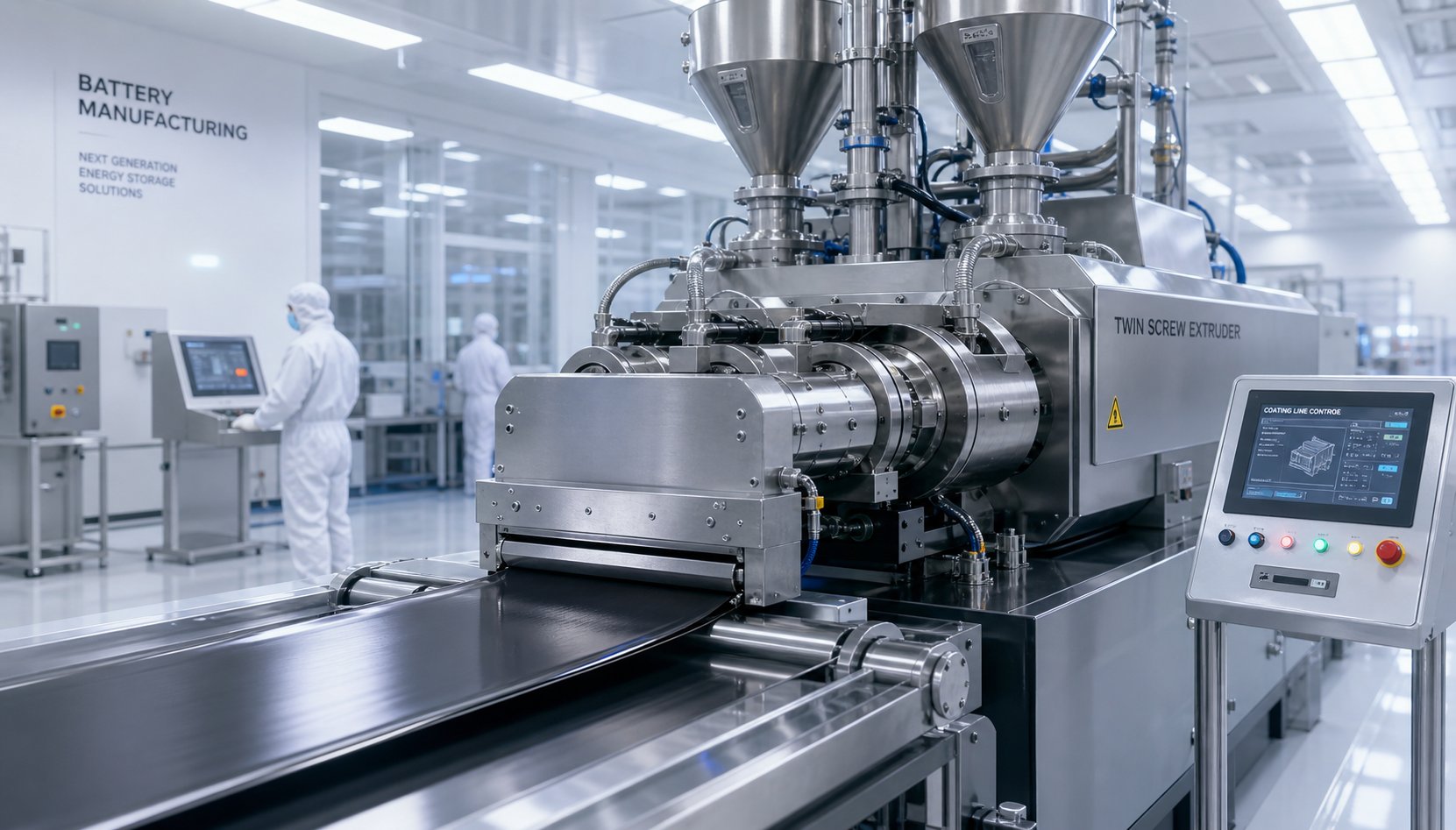
Battery Electrode and Energy Materials Compounding
Lithium-ion battery manufacturing is undergoing a quiet revolution in how electrode materials are mixed. Traditionally, cathode and anode pastes—slurries of active materials like lithium iron phosphate or graphite blended with conductive additives, binders, and solvents—have been prepared in batch mixers. The problem? Batch mixing introduces variability from one batch to the next, struggles to scale linearly, and consumes significant quantities of solvents like N-methyl-2-pyrrolidone (NMP) that require energy-intensive drying and recovery.
Twin screw extruders offer a continuous alternative. As Thermo Fisher Scientific's battery manufacturing research explains, twin screw extruders mix active substances, binders, and conductive additives into a homogeneous paste or slurry with a level of uniformity that is crucial for consistent battery performance—any inconsistency can lead to variations that affect efficiency and lifespan. The intermeshing screw geometry ensures thorough distributive mixing of the fine powders and binder solutions, producing electrode slurries with uniform particle distribution across the entire production run rather than batch-to-batch fluctuations.
What makes this application especially demanding? Consider the requirements:
- Extremely precise torque control—electrode slurry viscosity changes dramatically with solids loading and mixing intensity. The extruder must maintain stable torque output to prevent over-shearing delicate active material particles, which reduces electrochemical surface area and degrades battery capacity.
- Contamination-free processing—even trace metallic contamination from screw or barrel wear can create internal short circuits in finished battery cells. This drives demand for specialized barrel liners and screw coatings that eliminate metal particle shedding.
- Dry electrode processing—an emerging frontier where twin screw extruders enable solvent-free electrode manufacturing through dry binder fibrillation, which eliminates the energy-intensive drying step entirely. This reduces manufacturing costs and shrinks the environmental footprint of battery production.
- Separator film extrusion—ultrathin polyolefin separator films for battery cells also employ twin screw technology for the initial compounding step, where PE or PP is blended with process oils and pore-forming agents before being stretched into microporous membranes.
The scalability advantage is significant. Twin screw extruders can process large volumes of material quickly and consistently, helping manufacturers meet the surging demand for batteries across consumer electronics, electric vehicles, and grid-scale energy storage. As gigafactory construction accelerates globally, continuous extrusion-based electrode mixing is displacing batch processes precisely because it scales more predictably and produces more consistent results at high throughput.
Biodegradable and Bio-Based Polymer Processing
PLA, PHA, PBAT, and starch-based biopolymers sit at the intersection of sustainability mandates and processing headaches. These materials offer genuine environmental benefits—biodegradability, bio-based carbon content, reduced fossil fuel dependence—but they punish processors who treat them like conventional polyolefins. They are moisture-sensitive, thermally fragile, and prone to rapid molecular weight loss under excessive shear or temperature.
That combination of properties makes twin screw extrusion not just preferable but essential for compounding biopolymers with plasticizers, nucleating agents, chain extenders, and functional fillers. As ENTEK's Dean Elliott explains, biopolymers rapidly degrade when exposed to excessive heat or shear—the shear exposure is directly proportional to screw speed and inversely proportional to the gap between screws and barrels. His practical recommendation: operate the extruder at the lowest possible screw speed for a given throughput rate until either torque exceeds 90% or a volumetric limit is reached.
Several processing strategies distinguish biopolymer compounding from conventional twin screw plastic extruder operations:
- Extended L/D ratios—48:1 or 52:1 L/D extruders are recommended to maximize flexibility, providing room for multiple vent and feed locations that biopolymer formulations frequently need
- Aggressive moisture management—biopolymers are typically hygroscopic, requiring at least one atmospheric vent early in the process to minimize hydrolysis, plus at least one vacuum vent downstream. Skipping the vacuum system is not an option—it is the difference between making a quality product and producing degraded waste.
- Low-shear screw profiles—long, gentle mixing zones rather than short, aggressive kneading block sections. Stabilizing feeder rates to minimize torque fluctuations allows the operator to run at a higher average torque without risking spikes that trigger degradation.
- Minimized exit pressure—co-rotating twin screws are only 8-15% efficient as pumps, so high die pressures cause significant melt temperature rises. Increasing die hole diameters, using coarser filtration screens, and adding melt pumps between extruder and die all reduce this effect.
The vacuum system deserves special emphasis. Biopolymer volatiles are often corrosive, which means vacuum equipment designed for standard polyolefin compounding may suffer accelerated corrosion and frequent maintenance failures. A well-engineered vacuum system built to handle these corrosive byproducts pays for itself through reduced downtime and increased throughput.
PHA-based biopolymers, in particular, are experiencing rapid commercial growth. Companies like Danimer Scientific produce PHA compounds for applications ranging from biodegradable straws to food packaging, with major brands like Bacardi converting from PET bottles to PHA-based alternatives. All of these compounds pass through co-rotating twin screw compounding lines configured for the low-shear, moisture-managed processing that biopolymers demand.
3D Printing Filament Production
You might assume that producing a 1.75 mm or 2.85 mm 3D printing filament is a straightforward single screw extrusion job. For basic PLA or ABS filament, that assumption holds. But the 3D printing market has moved far beyond commodity filaments into advanced, multi-component materials—carbon-fiber-filled nylon, wood-filled PLA, conductive filaments loaded with carbon black or graphene, flexible TPU blends, and high-temperature PEEK formulations. These specialty filaments require a compounding step before the final filament can be extruded, and that compounding step belongs on a twin screw.
Why? Because uniform additive dispersion is the single most critical quality attribute for a 3D printing filament. A filament strand with unevenly distributed carbon fibers produces inconsistent mechanical properties in the printed part—strong in one layer, weak in the next. A conductive filament with agglomerated carbon black particles creates resistance variations that render a printed sensor useless. Only a screw plastic extruder with intensive dispersive and distributive mixing capability can achieve the homogeneity these formulations require.
The production workflow typically involves two stages. First, a twin screw extruder compounds the custom blend—melting the base polymer, dispersing fibers or functional fillers, incorporating processing aids, and pelletizing the finished compound. Second, a downstream single screw extruder or melt pump re-melts those pellets and produces the final filament strand with the tight diameter tolerance that 3D printers demand. As Thermo Fisher Scientific's filament extrusion research demonstrates, single screw extruders deliver the constant output and pressure stability needed for maintaining consistent filament diameter, but they are inefficient at mixing or compounding advanced formulations that consist of multiple components.
Adding a melt pump between the twin screw extruder and the filament die bridges the gap. The pump meters material through intermeshing gears at consistent pressure and throughput, compensating for the slight output pulsation inherent in twin screw extrusion. This combination—twin screw for compounding, melt pump for metering—increases output, reduces scrap, and controls surge, producing filament that meets the tight diameter tolerances 3D printers require for stable layer deposition.
For R&D labs developing new filament formulations, benchtop twin screw extruders with throughputs as low as 20 grams per hour enable material screening with minimal raw material consumption. The geometrically scalable screw and barrel designs on these laboratory-scale extruders provide a direct scale-up path to larger production equipment once a formulation is validated, reducing the development cycle from concept to commercial filament.
As materials science advances, twin screw extruder uses continue to expand into sectors—battery manufacturing, biopolymer development, additive manufacturing—that did not traditionally employ extrusion technology, driven by the universal need for precise, continuous, multi-ingredient mixing that no other equipment class delivers as effectively.
Battery electrodes, biodegradable packaging compounds, and carbon-fiber printing filaments may seem unrelated on the surface. What connects them is a shared requirement: continuous processing of multi-component formulations under tightly controlled conditions, where product quality depends entirely on mixing uniformity and thermal precision. That requirement is exactly what a twin screw extruder was engineered to meet—and it is why the machine's relevance keeps expanding rather than contracting as new materials emerge.
With so many application possibilities on the table—from polymer compounding and recycling to food, pharma, reactive chemistry, and these emerging sectors—the practical question shifts from "what can a twin screw extruder do?" to "how do I decide whether it is the right choice for my specific process?" That decision framework requires a structured comparison against the alternative most processors already know: the single screw extruder.
Twin Screw vs Single Screw and the Use Case Selection Matrix
Every application covered so far—polymer compounding, masterbatch, recycling, food extrusion, pharmaceutical HME, reactive chemistry, battery electrodes, and 3D printing filament—has pointed to the twin screw extruder as the right tool. But that does not mean a twin screw is always the answer. Plenty of profitable extrusion operations run single screw machines day in and day out, producing quality products at lower capital and operating costs than a twin screw line would demand.
The real question is not "which machine is better?" It is "which machine solves my specific process problem without adding unnecessary complexity?" That distinction trips up processors more often than you might think—some invest in a co rotating twin screw extruder for a job a single screw handles perfectly well, while others force a single screw into a mixing-intensive application where it consistently underperforms.
The two reference tools below are designed to cut through that confusion. Use them to match your application to the right screw architecture, identify the preferred twin screw configuration when a twin screw is warranted, and—just as importantly—recognize when a twin screw is not the right choice at all.
Twin Screw vs Single Screw Extruder by Use Case
Most comparison guides list generic advantages of each machine type: "twin screw offers better mixing," "single screw is simpler." That information is accurate but not actionable. You need to know which machine fits your specific application, not which one wins a feature checklist. The table below organizes the comparison by use case, recommending twin screw or single screw with a rationale grounded in actual process requirements.
| Use Case | Recommended Extruder Type | Rationale |
|---|---|---|
| Polymer compounding (filled, reinforced, or multi-additive formulations) | Twin screw | Requires intensive dispersive and distributive mixing, modular screw profiles, side feeding for fibers/fillers, and multi-zone devolatilization—capabilities single screws cannot deliver at equivalent quality |
| Masterbatch and color concentrate production | Twin screw | Pigment loadings of 40-70% demand the high shear and torque density of intermeshing twin screws to break apart agglomerates and achieve streak-free dispersion |
| Recycling with heavy contamination or mixed polymers | Twin screw | Variable feedstock composition, moisture, volatiles, and contaminants require the twin screw's intensive mixing, devolatilization, and mid-barrel additive capability to produce consistent pellets |
| Food snack and cereal extrusion | Twin screw | Cooking, texturizing, and shaping starch- or protein-based doughs under controlled moisture and shear require positive displacement conveying and precise SME control |
| Pharmaceutical hot-melt extrusion | Twin screw | Self-wiping geometry eliminates dead zones for API degradation; narrow residence-time distribution and PAT integration meet regulatory requirements for continuous manufacturing |
| Reactive extrusion (grafting, polymerization, crosslinking) | Twin screw | Modular barrel enables independent temperature zoning for reaction stages; reverse elements create melt seals to control residence time and isolate venting zones |
| Simple pipe or profile extrusion from compounded pellets | Single screw | Material is already compounded and consistent—the line needs stable melt conveying, pressure buildup, and steady output to the die, not intensive mixing |
| Film blowing (PE, PP blown film from pellets) | Single screw | Uniform pellet feed requires smooth melting and constant melt pressure; single screw delivers better pressure stability at the die with lower mechanical complexity |
| Single-polymer pelletizing (regrind or off-spec) | Either—depends on contamination level | Clean, single-polymer regrind with minimal contamination can be pelletized on a single screw; mixed or contaminated streams benefit from a twin screw's mixing and venting capability |
| Cable jacketing and wire coating | Single screw (most cases) | Pre-compounded jacketing materials need steady output and consistent melt pressure around the conductor—single screw provides this with simpler line integration |
Notice a pattern? The dividing line almost always comes down to mixing demand and feedstock consistency. When the material arriving at the feed throat is already a uniform, pre-compounded pellet and the extruder's job is to melt and deliver it to a die, a single screw wins on simplicity and cost. When the extruder itself must blend, disperse, react, or homogenize—when it is a processing tool rather than a melt pump—a double screw extruder machine earns its higher investment.
Twin Screw Extruder Use Selection Matrix
Deciding that a twin screw is the right architecture is only the first step. You also need to know which twin screw configuration fits your application. Should the screws co-rotate or counter-rotate? Parallel or conical? What L/D ratio? These choices affect mixing intensity, throughput, shear profile, and equipment cost—and the answers change dramatically depending on what you are processing.
The matrix below cross-references each major application type against the configuration parameters that matter most. Use it as a starting framework, then refine with your material supplier and equipment partner based on specific formulation requirements.
| Application Type | Preferred Screw Rotation | Screw Geometry | Typical L/D Range | Key Process Consideration |
|---|---|---|---|---|
| Polymer compounding | Co-rotating | Parallel twin screw extruder (intermeshing) | 40:1 to 48:1 | Modular screw elements must be reconfigured for each formulation; longer L/D supports multiple side-feed and vent positions |
| Masterbatch production | Co-rotating | Parallel (intermeshing) | 36:1 to 48:1 | High torque density required for 40-70% filler/pigment loading; split feeding through side-stuffers is standard |
| Plastic recycling | Co-rotating | Parallel (intermeshing) | 36:1 to 48:1 | Abrasive feedstock demands wear-resistant barrel liners and hardened screw elements; multiple vacuum vents for devolatilization |
| Reactive extrusion | Co-rotating | Parallel (intermeshing) | 44:1 to 60:1+ (up to 90:1 for slow kinetics) | Reverse elements create melt seals to define reaction zones; barrel temperature zoning must match reaction kinetic stages |
| Food snack extrusion | Co-rotating | Parallel (intermeshing) | 20:1 to 32:1 | Lower shear and shorter barrel length prevent starch burning; specific mechanical energy (SME) is the primary control variable |
| Pharmaceutical HME | Co-rotating | Parallel (intermeshing) | 25:1 to 40:1 | Narrow residence-time distribution critical for API stability; PAT sensor ports required along barrel; small-diameter lab models (9-18 mm) used for early development |
| PVC pipe and profile | Counter-rotating | Conical twin screw extruder (intermeshing) | Conical geometry (not expressed as conventional L/D) | Counter-rotation provides gentle, positive conveying of shear-sensitive PVC powder; conical design delivers high feed intake with lower exit shear |
A few things stand out immediately. Co-rotating parallel twin screw extruder configurations dominate the majority of mixing-intensive applications because their intermeshing, self-wiping geometry delivers the best combination of dispersive mixing, distributive blending, and flexible screw profiling. The clear exception is PVC processing, where counter-rotating conical designs have been the workhorse for decades—PVC's thermal sensitivity and powder-feed requirements favor the lower shear and strong positive conveying that counter-rotation provides.
Understanding the differences between co rotating and counter rotating twin screw extruder designs prevents costly mismatches. A processor accustomed to co-rotating compounding extruders who attempts to run a PVC dry blend on that equipment risks thermal degradation, while a PVC processor evaluating a counter-rotating conical machine for a glass-fiber-reinforced nylon compound will find the mixing intensity and throughput inadequate.
L/D ratio selection also follows a clear logic. Food and pharmaceutical applications use shorter barrels because residence time must stay brief to avoid product degradation—longer is not better when your material burns or degrades with extended thermal exposure. Compounding, recycling, and masterbatch lines run longer L/D ratios to accommodate the multiple process steps—feeding, melting, mixing, side-feeding, venting, and pressure buildup—that occur sequentially along the barrel. Reactive extrusion pushes L/D to extremes because the barrel essentially functions as a tubular reactor, and longer reactors provide more conversion time.
When a Twin Screw Extruder Is NOT the Right Choice
Honest advice builds trust, so here it is: a double screw extruder machine is not the right investment for every extrusion operation. There are well-defined scenarios where choosing a twin screw adds cost and complexity without delivering any process benefit.
Simple single-polymer melt conveying. If your process takes pre-compounded pellets—already blended, stabilized, and pigmented by a compounder—and melts them for delivery to a pipe die, sheet die, or profile tool, the extruder is functioning as a melt pump. A single screw extruder does this job with fewer wear parts, simpler gearbox requirements, lower energy consumption per kilogram of output, and significantly easier operation. Adding a twin screw to this process buys mixing capability you do not need.
Standard blown film production. PE and PP blown film lines run almost exclusively on single screw extruders. The material is pre-compounded pellet, the process needs constant melt pressure and temperature uniformity at the die, and the output rates are high. A twin screw would introduce pressure pulsation at the die that causes gauge variation in the bubble—exactly the opposite of what film quality demands.
Basic pipe and profile extrusion. Except for PVC powder processing on counter-rotating conical machines, most pipe and profile lines use single screw extruders because the production priority is steady-state output stability, not in-barrel mixing. As practical extrusion guides emphasize, a single screw extruder uses one rotating screw to convey, melt, compress, and deliver a controlled melt stream to the die—and for stable pellet-based production, that simplicity is an advantage, not a limitation.
Low-throughput, low-complexity operations. A small-scale processor running one material, one product, and one shift per day rarely justifies the capital premium, operator training investment, and maintenance complexity of a twin screw line. The extra capability sits idle, while the higher spare-parts inventory and more complex cleaning procedures drain resources.
The cost difference is not trivial. Twin screw extruders typically carry higher upfront machine costs, more expensive gearbox and motor packages (high-torque-density drives are a significant cost driver), and greater ongoing maintenance expense due to the larger number of wear components—two screws, intermeshing barrel bores, and modular screw elements that must be individually inspected and replaced. If the process does not require the mixing, venting, or feedstock flexibility that justifies those costs, a single screw delivers better economics.
Think of it this way: a twin screw extruder is a specialist tool. It excels at complex, multi-step, mixing-intensive processes. A single screw extruder is a reliable workhorse for straightforward melt delivery. Matching each to the job it was designed for—rather than defaulting to the "more advanced" machine—is how experienced processors keep their lines productive and their cost per kilogram competitive.
With the right extruder type and configuration identified, one critical decision remains: selecting the screw and barrel specifications that translate that configuration choice into reliable, long-term production performance for your specific material and operating conditions.
Choosing the Right Screw and Barrel Setup for Your Process
Selecting the right extruder type and screw configuration gets you to the starting line. Crossing it—running production that holds quality, throughput, and uptime targets month after month—depends on the screw and barrel specifications you put inside that machine. These components are not permanent fixtures. They are wear items that degrade with every operating hour, and their geometry, metallurgy, and surface treatment must be matched to the exact demands of your application. Get that match right and the line runs efficiently for years. Get it wrong and you are chasing quality issues, burning energy on worn-out components, and scheduling unplanned shutdowns that cost far more than the parts themselves.
Matching Screw and Barrel Specifications to Your Application
Every use case profiled earlier in this article places different stresses on screw elements and barrel liners. A screw extruder running unfilled nylon compounding faces corrosive melt conditions but minimal abrasion, while a recycling line processing post-consumer HDPE with mineral contaminants subjects flight tips and barrel bores to relentless abrasive wear. An extruder twin screw setup for reactive extrusion may encounter chemically aggressive monomers that attack standard steel surfaces. These differences translate directly into specification decisions that determine component lifespan and, by extension, your cost per kilogram of finished product.
The following list maps key specification choices to the applications where they matter most:
- Nitrided steel barrels (38CrMoAlA, HV 900-1000 surface hardness)—cost-effective and reliable for non-abrasive compounding of unfilled or lightly filled polymers such as PP, PE, and ABS. Nitriding builds a hard surface layer of 0.5-0.8 mm that resists mechanical wear under standard processing conditions.
- Bimetallic barrels with nickel- or tungsten-carbide-based alloy liners—essential for glass-fiber-filled compounds, mineral-loaded masterbatch, and recycled feedstocks where abrasive contaminants accelerate bore wear. Field data from compounding and recycling plants shows bimetallic barrels delivering 30-45% longer service life compared to standard nitrided steel in abrasive applications.
- Hardened screw flight tips (stellite or tungsten carbide overlay)—protect the most vulnerable wear point on any screw element, particularly in mineral-filled compound and filler masterbatch production where calcium carbonate, talc, or barium sulfate particles concentrate at the flight-to-barrel interface.
- Corrosion-resistant barrel liners and screw coatings—required for reactive extrusion involving acidic monomers like maleic anhydride, PVC processing where HCl off-gassing attacks exposed steel surfaces, and biopolymer compounding where corrosive volatiles degrade standard metallurgies.
Selecting the wrong metallurgy is not just a durability problem—it is a product quality problem. As barrel bore diameter increases from wear, the clearance between screw flights and barrel wall grows, allowing melt to leak backward over the flights. That backflow reduces conveying efficiency, destabilizes melt pressure, and creates temperature inconsistencies that show up as dimensional variation in pellets, streaking in masterbatch, or mechanical property shifts in compounded parts. Replacing worn components before clearance exceeds critical thresholds—typically around 0.15-0.4 mm depending on screw diameter—is not maintenance overhead. It is quality assurance.
Building a Support Network for Long-Term Performance
A twin-screw extruder machine is only as reliable as the supply chain behind it. Operations running multiple applications across compounding, recycling, and pelletizing lines consume screw elements, barrel segments, and wear bushings at different rates depending on each line's feedstock and throughput. Having replacement components available when you need them—not six weeks after you submit a purchase order—prevents a single worn barrel segment from idling an entire production line.
The twin screw extruders market has grown to a projected USD 2.91 billion globally, and with that growth comes a broader ecosystem of component suppliers serving processors worldwide. Identifying suppliers who stock the specific screw element profiles, barrel bore sizes, and metallurgies your lines require is a sourcing decision worth making proactively—before a wear-related shutdown forces an emergency purchase at premium pricing.
For processors seeking screw barrel components built for the demanding conditions found in pipe, profile, sheet, pelletizing, and recycling lines, suppliers like NANHAIYA connect extrusion manufacturers and recycling plants with replacement screw and barrel support designed for plastic extruder machines across a range of processing applications. Having this kind of resource in your vendor network means wear-part replacement becomes a planned maintenance activity rather than an operational crisis.
Reliable technical support matters just as much as parts availability. Twin screw extruder manufacturers and component suppliers who understand your specific process—not just the machine model number, but the materials, screw profiles, and operating parameters you run—can recommend metallurgies, surface treatments, and element configurations that extend service life rather than simply replacing like-for-like. That consultative relationship is especially valuable when you are scaling a new application, switching feedstocks, or troubleshooting accelerated wear on a line that previously ran without issues.
Taking the Next Step Toward the Right Twin Screw Setup
You have the application landscape. You have the selection matrix. The practical next step is straightforward: map your process to the framework laid out in the previous section, identify where your application sits on the twin screw vs. single screw decision table, and then drill into the screw and barrel specifications that match your material, throughput, and wear conditions.
Here is a simple action sequence to follow:
- Define your application category—compounding, masterbatch, recycling, food, pharma, reactive, or emerging (battery, biopolymer, filament). Each has distinct requirements for screw rotation, L/D ratio, and barrel metallurgy.
- Assess your feedstock abrasiveness and corrosiveness—this single factor drives more screw and barrel specification decisions than any other. Glass fibers, mineral fillers, recycled contaminants, and reactive monomers each demand different wear solutions.
- Identify your throughput and torque requirements—high-filler masterbatch and recycled mixed polyolefin streams push torque limits that undersized drives cannot sustain. Size the motor and gearbox for your most demanding formulation, not your easiest one.
- Establish your wear-parts supply chain before you need it—identify a twin-screw extruder manufacturer or component supplier who stocks your screw element geometry and barrel specifications, and maintain relationships that enable fast turnaround when replacement is needed.
- Consult with equipment and component partners who understand your process—a screw profile that works brilliantly for nylon-glass compounding will fail on a biopolymer line. Process-specific expertise from your equipment supplier is not optional; it is the difference between a line that runs and one that struggles.
The twin screw extruders market continues to expand precisely because the machine's versatility keeps unlocking new applications—from traditional polymer compounding to battery electrodes and biodegradable packaging. Wherever your process falls on that spectrum, the principles remain consistent: match the extruder configuration to your mixing and conveying demands, specify screw and barrel components for your actual operating conditions, and build the supplier relationships that keep your lines running. That is how you turn a versatile piece of equipment into a competitive advantage.
Frequently Asked Questions About Twin Screw Extruder Uses
1. What is a twin screw extruder used for?
A twin screw extruder serves a wide range of processing applications that require intensive mixing and precise thermal control. Its primary uses include polymer compounding with fillers and reinforcements, masterbatch and color concentrate production at high pigment loadings, plastic recycling and pelletizing of post-consumer waste, food snack and cereal manufacturing, pharmaceutical hot-melt extrusion for drug bioavailability enhancement, reactive extrusion for chemical modification, and emerging applications such as lithium-ion battery electrode mixing and 3D printing filament compounding. The common thread across all these uses is the need to continuously blend multiple ingredients under tightly controlled shear, temperature, and residence-time conditions.
2. What is the difference between a twin screw extruder and a single screw extruder?
The core difference lies in mixing capability and feedstock flexibility. A twin screw extruder uses two intermeshing screws that create self-wiping action, positive displacement conveying, and intensive dispersive and distributive mixing, making it ideal for compounding, recycling contaminated streams, and multi-ingredient formulations. A single screw extruder relies on drag flow with one rotating screw, excelling at stable melt delivery for applications like pipe extrusion, blown film, and profile production where the material is already pre-compounded. Twin screws also support modular screw element reconfiguration, side feeding, and multiple vacuum venting ports, none of which are practical on single screw designs. Choosing between them depends on whether your process demands in-barrel mixing or straightforward melt pumping.
3. What materials can be processed in a twin screw extruder?
Twin screw extruders handle an exceptionally broad material range. In plastics, they process engineering resins like nylon, polycarbonate, and PBT, polyolefins such as PP and PE, thermoplastic elastomers including TPE and TPU, and biodegradable polymers like PLA and PBAT. Beyond plastics, they process starch- and protein-based food doughs for snacks and cereals, pharmaceutical drug-polymer blends for amorphous solid dispersions, reactive chemical systems including maleic anhydride grafting and silane crosslinking, hot-melt adhesives, conductive compounds with carbon nanotubes or graphene, and lithium-ion battery electrode slurries. Each material family requires tailored screw profiles, temperature settings, and barrel metallurgies matched to its specific processing behavior.
4. How do I choose between co-rotating and counter-rotating twin screw extruders?
Co-rotating intermeshing twin screw extruders are the dominant choice for most mixing-intensive applications, including polymer compounding, masterbatch production, recycling, food extrusion, pharmaceutical hot-melt extrusion, and reactive extrusion. Their self-wiping geometry, high throughput capacity, and modular screw element flexibility make them the most versatile configuration. Counter-rotating designs, particularly conical twin screw extruders, are preferred primarily for PVC powder processing, where the material's thermal sensitivity and powder-feed characteristics benefit from the gentler, positive conveying action that counter-rotation provides. If your application involves blending multiple additives under high shear with frequent recipe changes, co-rotating is almost always the right answer.
5. How do I reduce screw and barrel wear on a twin screw extruder processing abrasive materials?
Abrasive feedstocks like glass-fiber-filled compounds, mineral-loaded masterbatch, and recycled plastics with contaminants accelerate wear significantly. Key strategies include specifying bimetallic barrels with wear-resistant alloy liners that deliver up to five times the service life of standard nitrided steel, applying stellite or tungsten carbide overlays on screw flight tips where abrasion concentrates, and monitoring motor current draw over time as an early warning for advancing wear. Preventive measurement of flight-to-barrel clearance at defined positions helps track wear progression before it impacts product quality. Establishing a reliable supply chain for replacement components is equally important. Suppliers like NANHAIYA (nhyscrews.com) offer screw and barrel components specifically designed for abrasive recycling and pelletizing conditions, helping processors maintain planned maintenance schedules rather than reacting to unexpected failures.
Written by
Nanhaiya Technical Team
Zhoushan Nanhaiya Plastic Machinery Co., Ltd.
The Nanhaiya technical team supports screw and barrel manufacturing projects through application review, technical communication, custom manufacturing coordination, and production and quality control.
Discuss Your Application
Related Articles
More insights on screw barrel technology and plastics processing.
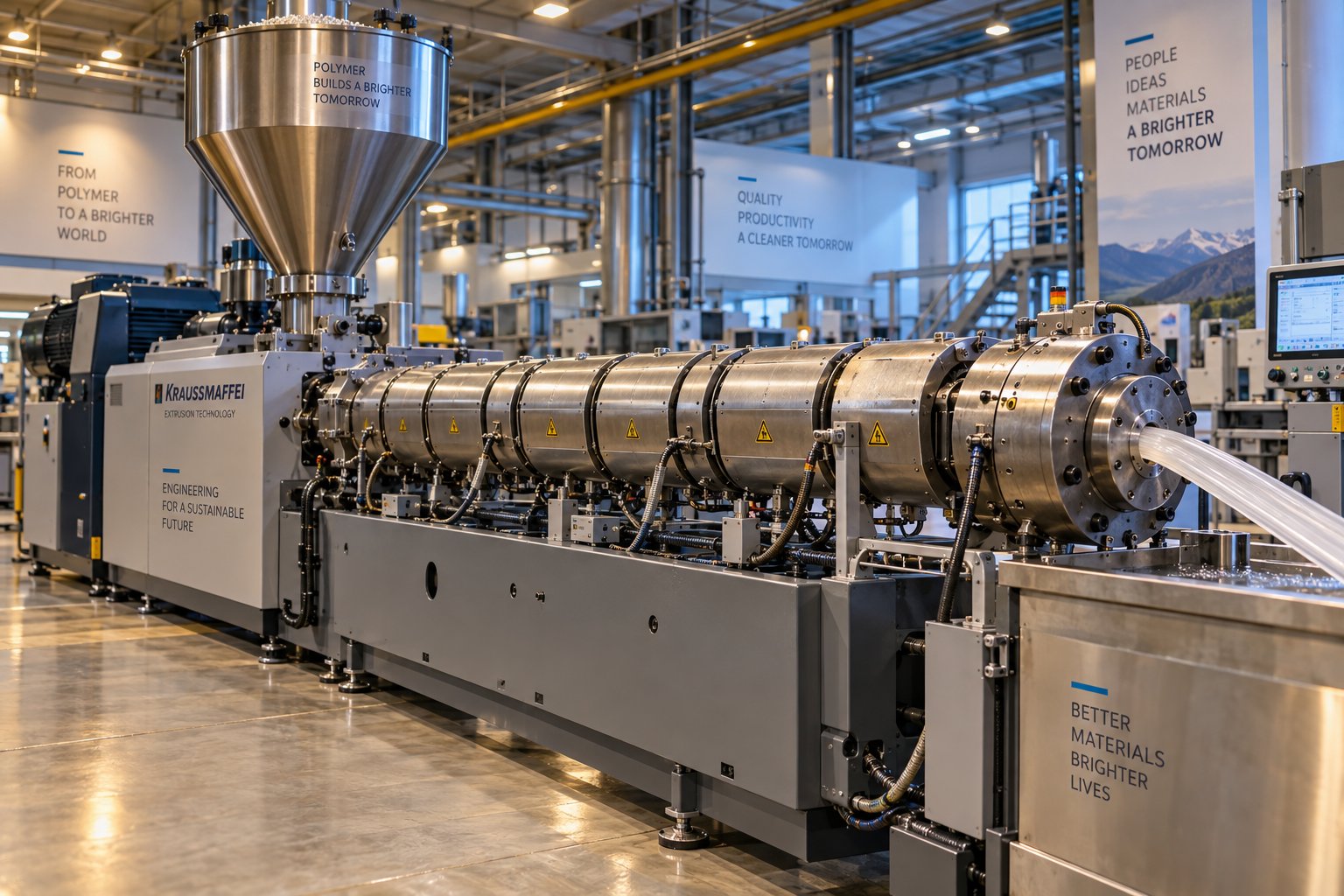
Extruder Machine Decoded: From Raw Pellet To Finished Product
Oct 6, 2026
Learn how an extruder machine works, compare single-screw vs. twin-screw types, and get expert guidance on specs, troubleshooting, and selection.
Read Article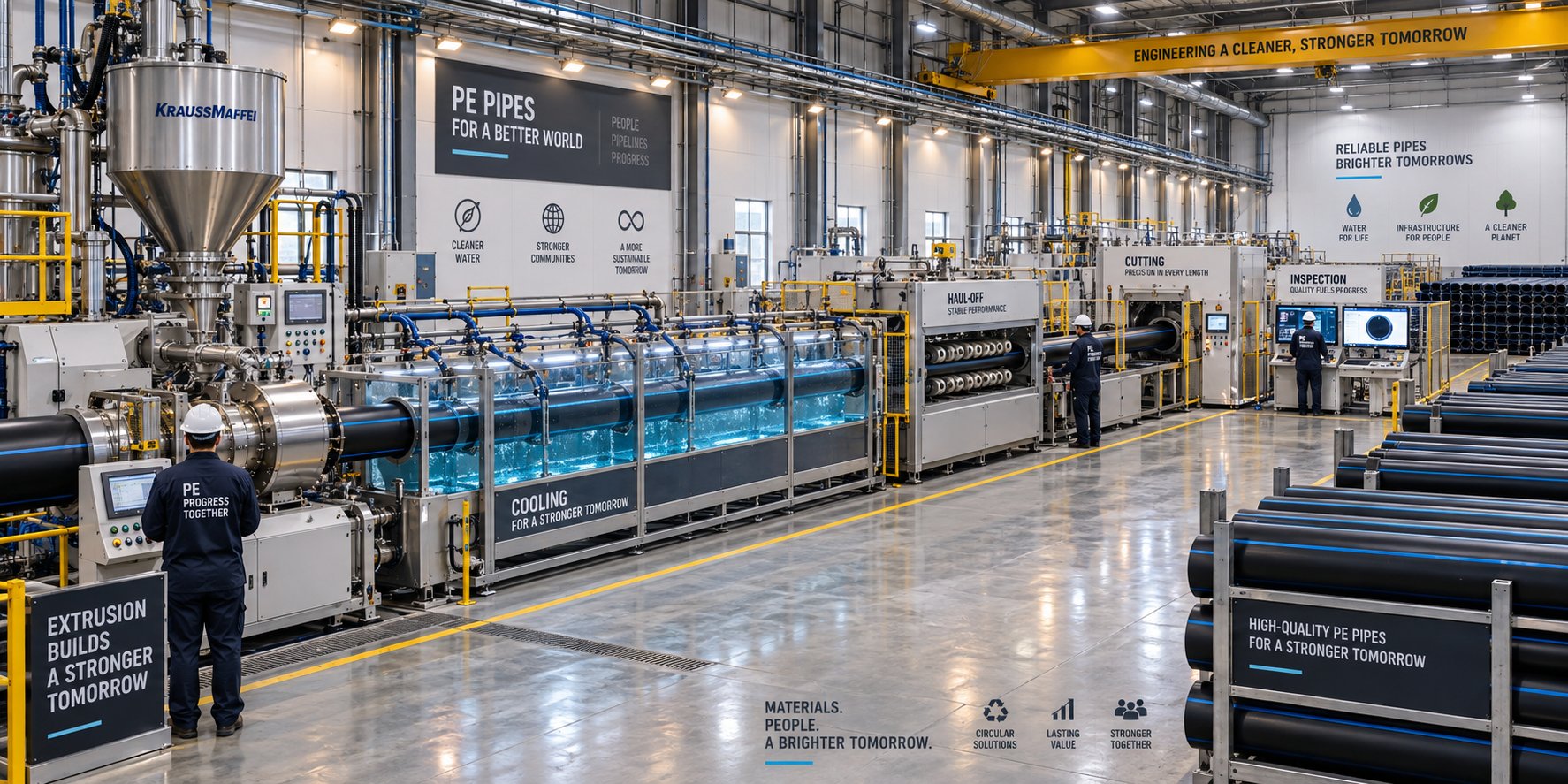
PE Pipe Making Machine Decoded: From Raw Resin to Flawless Pipe
Oct 4, 2026
Learn how a PE pipe making machine works, from resin to finished pipe. Covers components, material grades, automation, troubleshooting, and buyer selection tips.
Read Article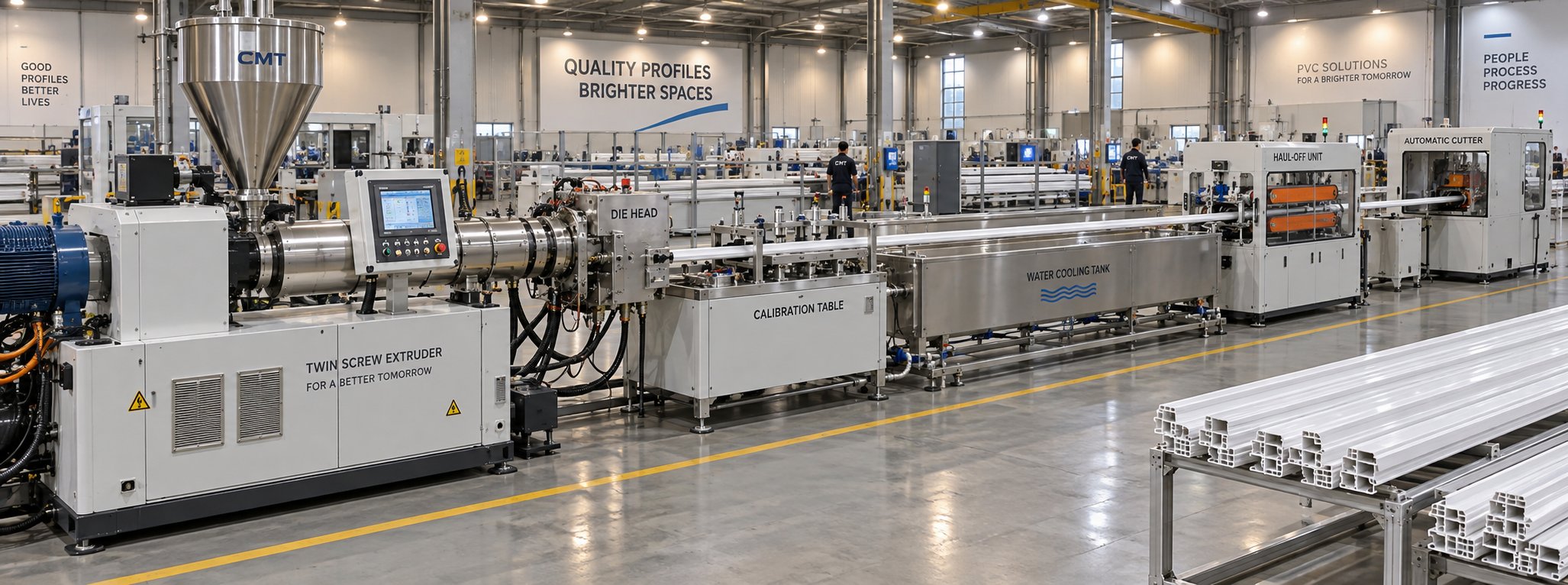
PVC Profile Making Machine Decoded: From Raw Resin To Profit
Oct 3, 2026
Learn how a PVC profile making machine works — extrusion process steps, key technical parameters, die design, calibration methods, maintenance, and total cost of ownership.
Read ArticleLooking for something else?
Search by material, symptom or product and jump straight to the relevant page.
These are navigation suggestions based on keyword matching — not a quotation, not a delivery commitment, and not a substitute for engineering review. Final specification is confirmed by our engineers against your drawings and processed material.
Need help with screw barrel selection?
Share your machine model, processed material and application. Our team can help with pricing and technical support.