

Understanding the Twin Screw Extruder Machine Market
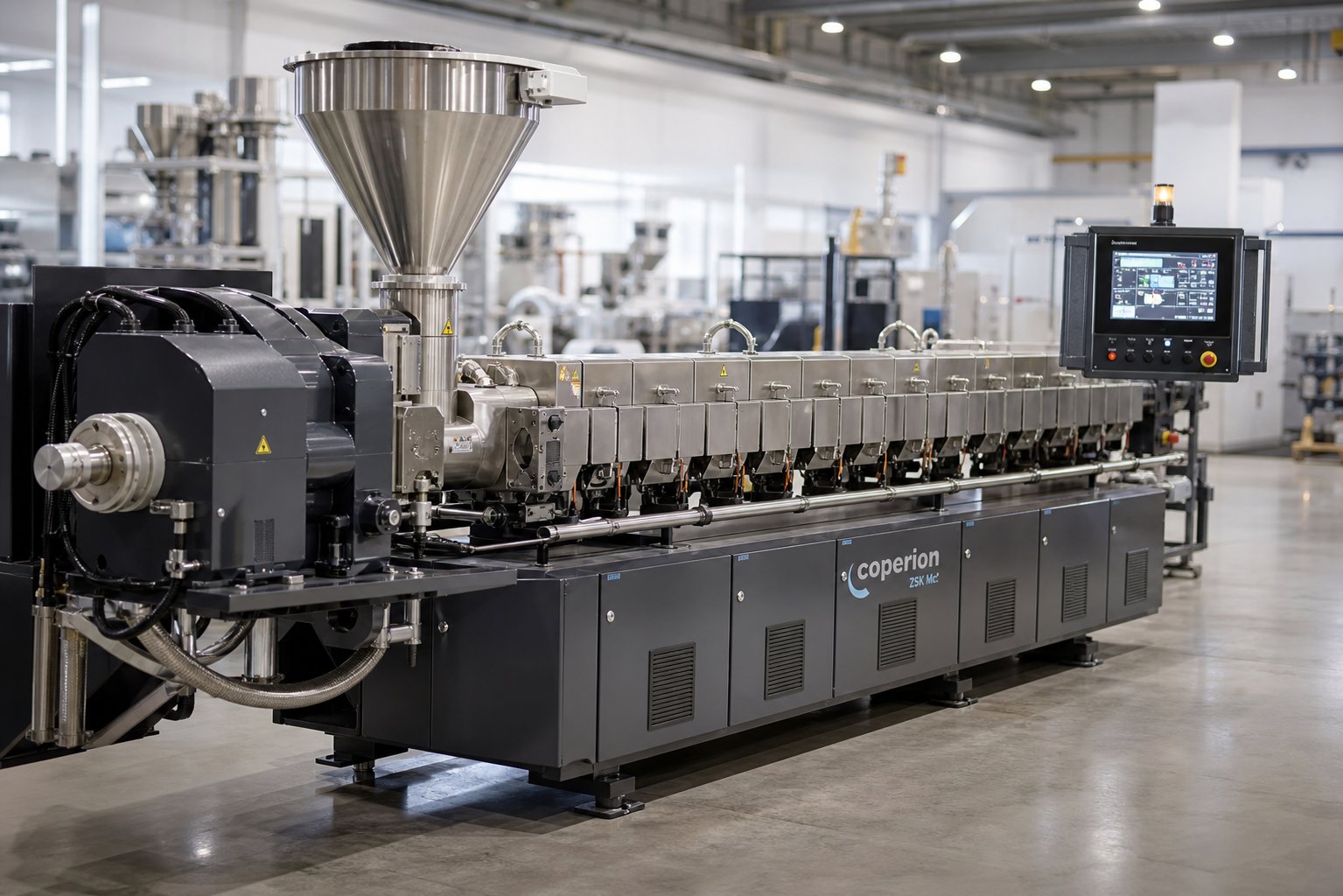
Imagine two helical screws spinning side by side inside a heated barrel, pulling in raw plastic pellets at one end and pushing out precisely blended, molten material at the other. That is the core of a twin screw extruder machine — and the global market built around these machines touches nearly every product you use, from the dashboard in your car to the cereal in your pantry.
Yet finding a single resource that explains both the technology and the market forces behind it is surprisingly difficult. Most sources offer either dense market tables with no technical context or engineering deep-dives with no commercial perspective. This guide bridges that gap.
What Is the Twin Screw Extruder Machine Market
At its simplest, a twin screw extruder machine uses two intermeshing screws rotating inside a cylindrical barrel to mix, compound, and shape materials. The screws convey raw ingredients forward while applying controlled heat and shear, transforming powders, pellets, or granules into a uniform melt that can be shaped through a die. The twin screw extruder machine meaning goes beyond a single piece of hardware — it describes an entire processing platform whose modular screw and barrel design can be reconfigured for vastly different materials and products.
The twin screw extruder machine market encompasses the global sale, distribution, and servicing of twin-screw extruder equipment — including complete extrusion lines, aftermarket screw and barrel components, spare parts, and technical services — used across plastics compounding, food processing, pharmaceuticals, chemicals, and rubber industries.
The market is segmented by product type (co-rotating, counter-rotating, laboratory, and industrial extruders), screw diameter, end-use application, processed material, and geographic region. If you have ever searched for a twin screw extruder machine wikipedia overview or tried downloading a twin screw extruder machine pdf from a research publisher, you have already encountered fragments of this landscape — but rarely the full picture in one place.
Why This Market Matters for Plastics and Beyond
Twin screw extruders sit at the heart of modern material processing. In plastics compounding alone, they handle everything from dispersing nano-fillers in engineering resins to pelletizing recycled post-consumer waste. Food manufacturers rely on them for snack extrusion, pet food production, and plant-based protein texturization. Pharmaceutical companies use hot-melt extrusion on twin screw platforms to improve the bioavailability of poorly soluble drugs. Chemical processors depend on them for reactive extrusion and specialty compound production.
How large is this market? Fact.MR valued the global twin screw extruder market at approximately USD 4.8 billion in 2025, projecting it to reach roughly USD 7.0 billion by 2036 at a compound annual growth rate of 3.5%. Other research firms publish their own estimates, and figures can vary depending on whether the scope includes aftermarket parts, downstream auxiliary equipment, or service contracts. Transparency matters here: no single number tells the whole story, but the directional trend is clear — steady, sustained growth driven by expanding applications and tightening sustainability requirements.
How This Guide Is Structured
This article is designed as a comprehensive, free resource that walks you through every layer of the twin screw extruder machine market. You will find a detailed technical comparison of co-rotating and counter-rotating configurations, an analysis of the growth drivers reshaping demand, regional market dynamics across Asia-Pacific, Europe, North America, and emerging economies, and a practical buyer's guide covering sourcing strategies, total cost of ownership, and critical wear component planning.
Whether you are a market analyst sizing an investment opportunity, an engineer selecting equipment for a new compounding line, or a procurement professional evaluating suppliers, the sections ahead deliver the context you need. The journey starts with the technical foundation — understanding exactly how different twin screw configurations perform and why that distinction shapes purchasing decisions worldwide.
Co-Rotating vs Counter-Rotating Twin Screw Extruders Compared
Every purchasing decision in the twin screw extruder machine market starts with a single question: co-rotating or counter-rotating? The answer shapes throughput, product quality, energy consumption, and even long-term maintenance costs. Surprisingly, most market reports mention the two configurations without explaining what actually makes them different at the process level. Here is that explanation.
Co-Rotating Twin Screw Extruders Explained
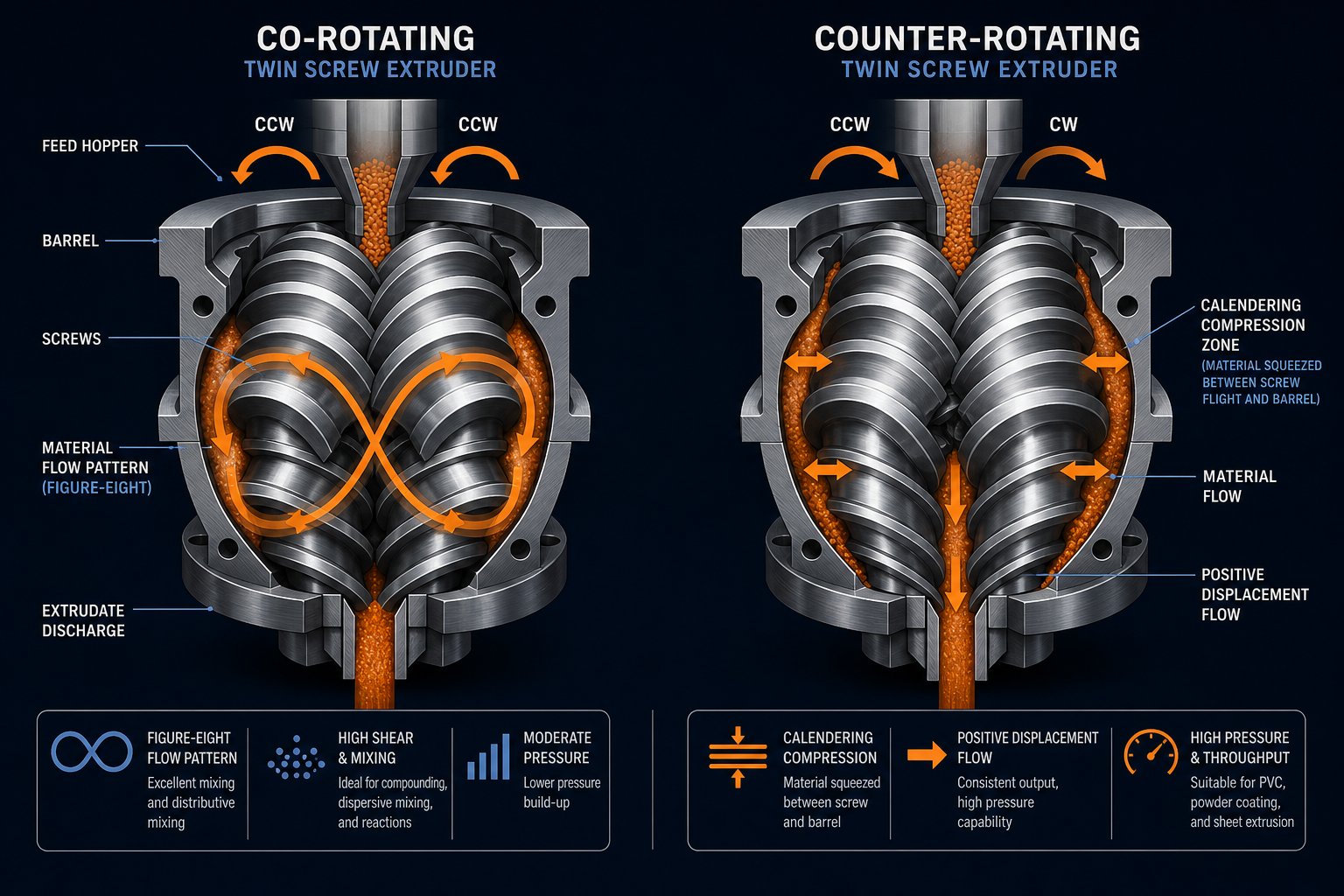
In a co-rotating twin screw extruding machine, both screws turn in the same direction — typically with a fully intermeshing geometry. Picture two gears meshing tightly: as one flight passes over the other, material is forcibly transferred between screws in a figure-eight flow path. This handoff creates intense shear fields both between the screws and between each screw and the barrel wall, producing outstanding dispersive and distributive mixing.
What makes co-rotating designs especially versatile is their self-wiping action. Because each screw continuously sweeps the surface of the other, stagnant zones virtually disappear. The result is a narrow residence time distribution — critical when you are processing heat-sensitive polymers or running reactive extrusion where even a few extra seconds of thermal exposure can degrade the product.
Add modular screw design to the picture, and you will see why this configuration dominates compounding, masterbatch production, and polymer alloying. Engineers can rearrange conveying elements, kneading blocks, and mixing sections along the shaft to fine-tune energy input for each specific formulation. That flexibility is the reason the co-rotating segment commands the largest share of global equipment sales.
Counter-Rotating Twin Screw Extruders and Their Strengths
Counter-rotating extruders flip the script. The screws turn in opposite directions, drawing material into the intermeshing zone and compressing it forward. Instead of high-shear figure-eight flow, a calendering effect develops between the screws — think of two rollers pressing dough flat. Material undergoes compressive and elongational deformation rather than aggressive shearing.
This gentler mechanism is a major advantage for thermally sensitive materials. Rigid PVC, for example, has a low decomposition temperature and poor melt flow. Subject it to the high shear of a co-rotating machine and you risk degradation. A twin screw PVC extruder machine in the counter-rotating configuration can operate at high fill levels and low screw speeds, keeping material temperature well below the degradation threshold while still achieving stable output.
Counter-rotating extruders come in two geometric flavors: parallel and conical. Parallel versions maintain uniform screw diameter along the barrel length, while conical designs taper from a larger feed-end diameter to a smaller discharge diameter, creating a natural compression zone. The pvc pipe conical twin screw extruder machine has become particularly popular for pipe and profile extrusion because its tapered geometry delivers high torque transmission in a compact footprint. Many China conic twin screw extruder machine manufacturers have scaled production of these conical units significantly, serving both domestic PVC processors and export markets across Southeast Asia and the Middle East.
Side-by-Side Technical Comparison
Choosing between these configurations becomes much easier when you see their characteristics laid out together. The table below compares the two designs across the parameters that matter most to equipment buyers and process engineers.
| Parameter | Co-Rotating | Counter-Rotating |
|---|---|---|
| Rotation Direction | Both screws same direction | Screws in opposite directions |
| Mixing Capability | Excellent dispersive and distributive mixing via high-shear kneading blocks | Moderate mixing via calendering effect; gentler dispersion |
| Pressure Generation | Moderate; relies on die restriction | High; positive displacement conveying builds pressure efficiently |
| Throughput Capacity | High; suited for large-volume compounding (up to 3,000+ kg/hr) | Moderate; optimized for stable, controlled output |
| Shear Characteristics | High shear stress; adjustable through screw element selection | Low to moderate shear; minimizes shear-induced heat buildup |
| Self-Wiping Ability | Strong; near-complete self-wiping reduces stagnation | Limited; some dead zones possible depending on geometry |
| Typical Applications | Compounding, masterbatch, reactive extrusion, nanocomposites, polymer alloys | PVC pipe and profile extrusion, sheet, and rigid PVC forming |
| Best-Suited Materials | Engineering thermoplastics, filled compounds, elastomer blends, bio-polymers | Rigid PVC, thermally sensitive polymers, moderate-filler formulations |
So which configuration fits your application? A practical rule of thumb: if your process demands intense mixing, high filler loadings, or the flexibility to switch between multiple resin systems, co-rotating is almost always the right call. If you are producing PVC pipe, profiles, or sheet — where low-temperature processing and high pressure buildup are non-negotiable — a counter-rotating machine, often in a conic twin screw extruder machine configuration, will deliver better results at lower risk of thermal degradation.
For composites reinforced with glass fiber or carbon fiber, co-rotating extruders excel because their modular screw design lets engineers position kneading zones precisely where fiber wetting and dispersion must occur. Thermoset and elastomer processors, on the other hand, should evaluate both configurations carefully: the lower shear of counter-rotating designs can prevent premature crosslinking, while the superior distributive mixing of co-rotating machines ensures additive uniformity.
Understanding these technical distinctions is essential, but the configuration choice does not happen in a vacuum. Broader forces — from sustainability mandates to emerging applications in battery manufacturing — are reshaping which configurations see the fastest demand growth and where capital investment is flowing.
Key Growth Drivers Reshaping Market Demand
Configuration choices and technical specifications only tell half the story. The real question is: what forces are pulling more buyers into the twin screw extruder machine market in the first place? Three powerful currents — rising material complexity, sustainability pressure, and entirely new industrial applications — are converging to accelerate demand in ways that pure market statistics rarely capture.
Rising Demand for Engineered Plastics and Composites
Think about the dashboard of a modern electric vehicle. It contains glass-fiber-reinforced polypropylene, mineral-filled nylon, and TPE overmolds — each precisely compounded to hit tight mechanical, thermal, and aesthetic targets. Multiply that by every structural bracket, connector housing, and under-hood component, and you begin to see why the automotive lightweighting trend alone is a massive demand driver for twin screw extruder compounding machine capacity.
The same dynamic plays out across consumer electronics, where engineers specify flame-retardant PC/ABS blends and thermally conductive polymer compounds for 5G device housings, and in advanced flexible packaging, where multi-layer barrier films rely on compatibilized blends and tie-layer formulations. Building and construction adds another layer: fiber-reinforced composite decking, PVC window profiles, and insulation compounds all flow through twin screw extruder plastic machine lines before reaching the job site.
What connects these verticals is a shared shift toward precisely engineered materials that single-screw extruders simply cannot produce at the required dispersion quality. High filler loadings — sometimes exceeding 60% by weight — demand the intense distributive and dispersive mixing that only a twin screw extruder machine industrial platform delivers. As material specifications tighten across transportation, packaging, and consumer goods, the equipment capable of meeting those specifications commands growing capital investment.
Sustainability Mandates Accelerating Adoption
Circular economy regulations in the EU, extended producer responsibility laws in North America, and plastic waste reduction targets across Asia are doing more than raising compliance costs — they are fundamentally changing what processors feed into their extruders. Post-consumer recyclates (PCR) arrive contaminated, inconsistent in melt flow, and loaded with residual moisture. Processing these feedstocks into usable compounds requires equipment with multi-stage devolatilization, robust mixing, and precise temperature control.
This is where twin screw extruders shine. As Leistritz's Charlie Martin notes, the corotating intermeshing twin screw extruder can transform recycled materials into value-added products and parts when utilized thoughtfully. The starve-fed design allows multi-stage venting to strip residual moisture and volatiles from washed PCR flakes without a separate drying step, while modular screw configurations can be tailored to disperse trace contaminant polymers — such as small amounts of PVC or PET that inevitably slip into an HDPE reclaim stream.
Bio-based polymer compounding adds further momentum. PLA, PHA, and starch-based resins are notoriously heat-sensitive and moisture-reactive, demanding narrow processing windows that twin screw platforms manage through independent control of screw speed, feed rate, and barrel temperature. PP PE film twin screw extruder machine lines, for example, are increasingly configured to blend recycled polyolefin film flake with virgin resin and compatibilizers, producing pellets that meet the mechanical requirements for non-food packaging applications. The result is a technology platform uniquely positioned at the intersection of regulatory compliance and commercial viability.
Emerging Applications Driving Future Growth
Beyond established plastics and recycling markets, several frontier applications are creating entirely new demand pools for twin screw extrusion technology. These are not hypothetical — pilot lines and early-stage production systems are already running:
- Battery electrode manufacturing for EVs: Twin screw extruders enable dry electrode processing and dry binder fibrillation, replacing traditional solvent-based slurry coating. This approach eliminates the energy-intensive drying step, reduces VOC emissions, and lowers manufacturing costs — a compelling value proposition as global EV battery gigafactory capacity scales rapidly.
- 3D printing filament production: The desktop and industrial 3D printing boom has created steady demand for precision-compounded filament. A twin screw extruder machine for producing PET filament — or specialty materials like carbon-fiber-filled nylon and TPU — delivers the compositional uniformity and tight diameter tolerance that consistent print quality requires.
- Pharmaceutical hot-melt extrusion: Drug developers use twin screw platforms to create amorphous solid dispersions that dramatically improve the bioavailability of poorly soluble active pharmaceutical ingredients. The modular screw design allows precise control over residence time, temperature, and shear — critical parameters for forming stable molecular-level drug-polymer matrices.
- Advanced food texturization: High-moisture extrusion on twin screw systems is central to producing plant-based meat alternatives with realistic fibrous textures, a segment experiencing rapid commercial expansion worldwide.
Each of these applications leverages the same core advantages — superior mixing, modular configurability, and precise process control — that have made twin screw extruders dominant in traditional plastics compounding. The difference is scale of opportunity: EV battery production alone is projected to require hundreds of new extrusion lines globally over the coming decade, while pharmaceutical and food applications bring higher margins and stricter qualification requirements that favor premium equipment suppliers.
Growth drivers, however, do not affect every industry segment equally. The way demand distributes across end-use sectors — and the specific machine sizes each sector requires — reveals a more nuanced picture of where the real volume and value concentrate.
Industry Applications and Machine Segmentation
Knowing that sustainability and engineered plastics are pushing demand upward is useful — but it raises a sharper question: where exactly does all that equipment end up? The answer lies in how different industries exploit the twin screw extruder's core strengths, and why the machine size they select reveals as much about their business as the materials they process.
Plastics Compounding and Polymer Processing
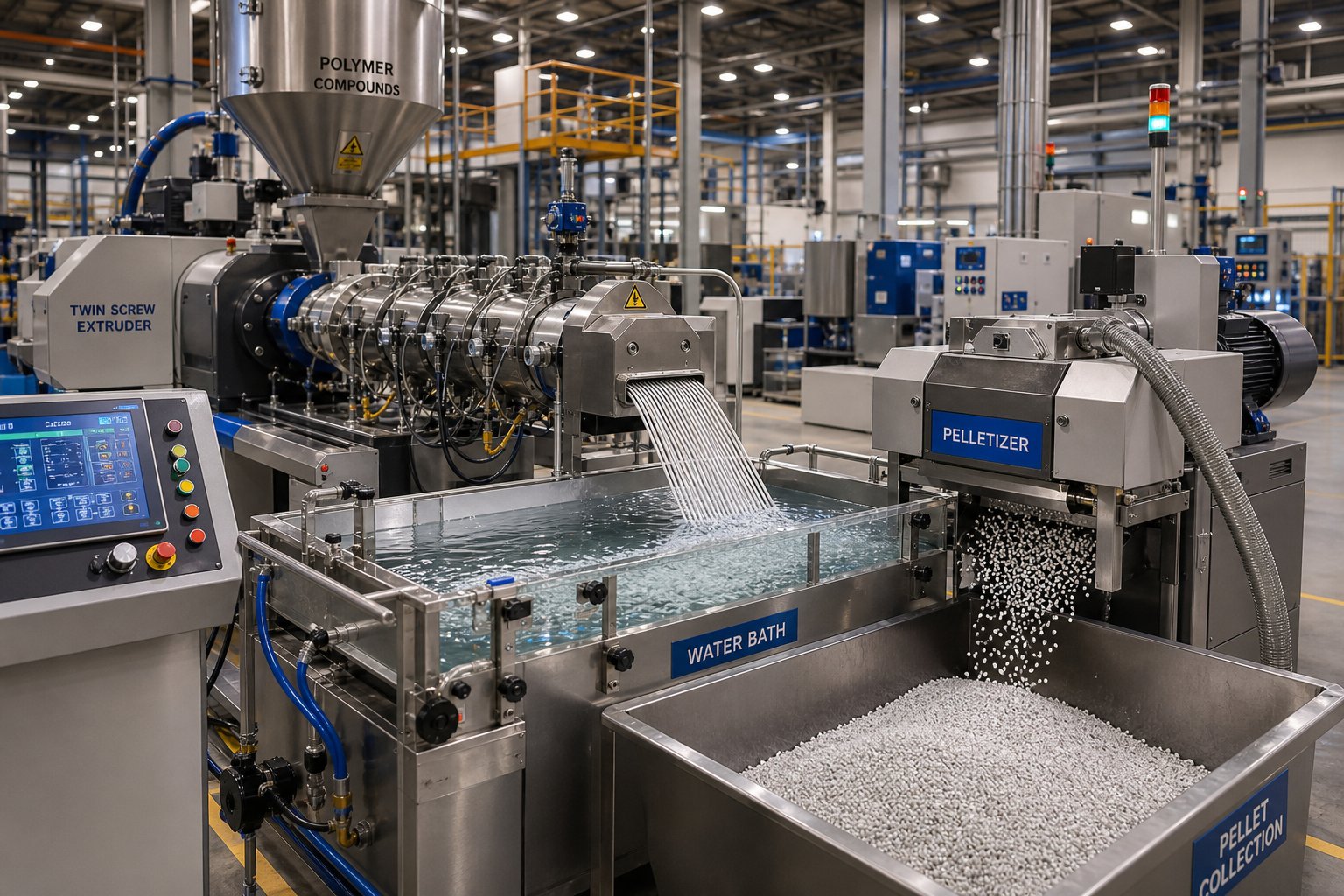
Plastics and polymers processing commands the largest share of twin screw extruder applications — approximately 38.7% of the application segment — and for good reason. Compounding is inherently a mixing-intensive process. You are dispersing glass fibers, mineral fillers, flame retardants, colorants, and compatibilizers into a polymer matrix, and the quality of that dispersion determines whether the final part passes mechanical, thermal, and aesthetic specifications.
A plastic extruder machine twin screw configuration handles this better than any alternative because its intermeshing screws create both dispersive shear (breaking down agglomerates) and distributive flow (spreading additives uniformly throughout the melt). When filler loadings climb past 40% or 50% by weight — common in automotive and electrical applications — the high torque and self-wiping geometry of a co-rotating twin screw keep the process stable where a single-screw system would choke on unmelted clusters.
Material category matters, too. Here is a practical breakdown of how each major polymer family interacts with twin screw equipment:
- Thermoplastics (PP, PE, PA, PC, ABS): These represent the bulk of compounding volume. Co-rotating configurations dominate because they handle high throughput, frequent recipe changes, and multi-point additive feeding. Modular screw designs allow processors to swap kneading blocks and mixing elements in hours rather than days.
- Thermosets (BMC, phenolics, epoxy premixes): These materials require a fundamentally different approach. Because thermosets begin crosslinking at elevated temperatures, the extruder must operate at low barrel temperatures, minimal shear, short residence time, and rapid discharge. As LEMIX notes, the process needs weak shear with strong distribution and immediate cooling to avoid premature curing.
- Elastomers (TPE, TPU, TPR, silicone compounds): Elastomer compounding demands precise control over oil absorption, vacuum devolatilization, and melt temperature. The twin screw platform excels here because engineers can position oil injection ports, vacuum vents, and cooling zones exactly where the formulation needs them along the barrel length.
Masterbatch production — both color and filler concentrates — adds another high-volume layer. Pigment dispersion quality directly impacts the visual appearance of finished consumer products, and only a twin screw extruder delivers the shear intensity needed to break down pigment agglomerates into primary particles while maintaining production rates that keep per-kilogram costs competitive.
Food Processing and Pharmaceutical Applications
Step outside the plastics world and you will find twin screw extruders quietly reshaping two industries with very different priorities: food and pharma. What unites them is stringent regulatory oversight — and the twin screw platform's ability to meet compliance requirements while delivering process control no batch mixer can match.
A twin screw extruder food machine operates under food-grade sanitary design standards. Every surface in contact with the product must be smooth, cleanable, and free of dead zones where material could stagnate and degrade. The self-wiping action of intermeshing co-rotating screws is a natural advantage here, but food-grade machines go further: barrel liners are often nitrided or coated with food-safe alloys, and gasketing systems are designed for complete washdown between product changeovers.
What makes the twin screw uniquely suited to food extrusion is its ability to simultaneously cook, texturize, and shape ingredients in a single continuous pass. In snack food production, starch-based doughs are gelatinized under controlled temperature and moisture while the screw geometry creates the puffed, expanded texture consumers expect. For plant-based meat alternatives, high-moisture extrusion on twin screw systems generates the layered, fibrous protein structures that mimic animal muscle tissue — a capability that single-screw and batch systems simply cannot replicate at scale.
In pharmaceuticals, the stakes are different but equally demanding. Hot-melt extrusion (HME) uses twin screw platforms to disperse active pharmaceutical ingredients (APIs) into polymer carriers, creating amorphous solid dispersions that dramatically improve drug dissolution and bioavailability. Fact.MR identifies pharmaceutical HME as the fastest-growing premium application segment in the twin screw extruder market.
GMP (Good Manufacturing Practice) compliance adds layers of complexity. Pharmaceutical twin screw extruders must support full audit trails, batch records, recipe management, and traceability. Every temperature reading, screw speed change, and feed rate adjustment is logged and time-stamped. Cleaning validation protocols must demonstrate that no cross-contamination occurs between product runs. These requirements filter out commodity equipment suppliers and favor manufacturers with dedicated GMP-certified platforms — one reason why pharmaceutical extrusion commands higher equipment margins than standard plastics compounding.
Screw Diameter Segmentation and Practical Implications
Market segmentation by end-use industry tells you who is buying. Segmentation by screw diameter tells you what they are buying — and more importantly, why that size fits their production reality.
Screw diameter is not just a dimensional specification. It governs throughput capacity, torque density, residence time, and ultimately the scale of production a machine can serve. The twin screw extruder market breaks into three diameter tiers, each aligned with distinct operational needs:
- Small diameter extruders (up to 40 mm): These are the workhorses of research and development. Universities, corporate R&D centers, and pharmaceutical labs use them for formula screening, material behavior testing, and scale-up data collection. A lab scale twin screw extruder machine for sale in this category typically features screw diameters of 11 mm to 27 mm, consuming minimal raw material per trial — a critical advantage when testing expensive specialty polymers or active pharmaceutical ingredients. A lab twin screw PP extruder machine, for instance, lets a resin compounder evaluate dozens of filler-loading recipes before committing to a production trial. Similarly, researchers exploring thin-film applications might use a lab twin screw blown film extruder machine to validate blown film recipes at bench scale before scaling up. Small-diameter machines also serve pilot-scale production for specialty applications where total volume is low but formulation precision is paramount.
- Medium diameter extruders (41 to 100 mm): This is the market's center of gravity. Medium diameter extruders account for roughly 52.6% of the diameter segment, and their dominance reflects a simple reality — they cover the sweet spot between flexibility and throughput. A 50 mm to 75 mm co-rotating twin screw handles mainstream compounding, masterbatch production, food extrusion, and pharmaceutical manufacturing at volumes that serve the majority of commercial processors. They offer enough torque for demanding formulations, enough barrel length for multi-stage processing, and enough output (typically ranging from a few hundred to several thousand kilograms per hour, depending on the specific diameter and L/D ratio) to justify continuous production economics.
- Large diameter extruders (above 100 mm): Reserved for high-volume commodity processing, these machines serve producers who measure output in tens of thousands of kilograms per hour. Large-diameter platforms dominate PVC compounding, polyolefin blending, and high-volume recycling operations where throughput per machine directly determines plant profitability. The capital investment is substantial, but cost-per-kilogram drops significantly at this scale, making large-diameter extruders essential for producers competing on volume and price in commodity polymer markets.
Notice the pattern: each diameter tier reflects a different stage in the product lifecycle. Small machines validate formulas. Medium machines produce the vast majority of commercial compounds. Large machines serve commodity-scale operations where cost efficiency is everything. Understanding this hierarchy helps procurement teams avoid the common mistake of over-specifying or under-specifying screw diameter — an error that either wastes capital or constrains future production flexibility.
Of course, machine size and application segment only tell part of the story. Where these machines are installed — and the industrial ecosystems shaping demand in each region — introduces an entirely different set of strategic considerations.
Regional Market Analysis and Global Dynamics
Machine specifications and application segments shape what buyers purchase — but geography shapes where capital flows, which suppliers gain leverage, and how fast demand compounds. Most market overviews list regions as bullet points. The reality is far more nuanced: each geography operates under a distinct mix of industrial maturity, regulatory pressure, and manufacturing strategy that directly influences purchasing patterns across the twin screw extruder machine market.
Asia-Pacific as the Dominant Growth Engine
No region is growing faster. Asia-Pacific dominates both equipment consumption and production, and China leads that dominance with a projected CAGR of 4.0% through 2036 — the highest of any country tracked. Why? Several forces stack on top of each other.
First, plastics compounding capacity across China continues to expand as domestic manufacturers move up the value chain from commodity resins into engineering compounds for automotive, electronics, and infrastructure applications. This is not simply about volume. Chinese compounders are investing in higher-specification twin screw lines capable of producing glass-fiber-reinforced nylon, flame-retardant PC blends, and TPE formulations that meet OEM qualification standards.
Second, China is both the largest consumer and the largest manufacturing base for twin screw extruder equipment. Dozens of china twin screw extruder machine factories serve domestic processors while simultaneously exporting to Southeast Asia, the Middle East, and Africa. Domestic manufacturers have steadily improved technical capability and now compete effectively in mid-range segments that were once the exclusive territory of European OEMs.
Third, government manufacturing incentives — including subsidized industrial land, favorable tax treatment for advanced equipment purchases, and "Made in China" technology upgrade programs — continue to pull new plastics processing capacity into the country. Recycling infrastructure investment adds another layer: as China tightens its own waste management regulations, demand for twin screw extruder machine in China grows alongside the need to process post-industrial and post-consumer recyclates domestically rather than exporting waste.
India mirrors several of these dynamics at an earlier stage. Rapid urbanization, automotive sector growth, and expanding packaged food demand are driving first-time equipment purchases, particularly in the medium-diameter segment. Meanwhile, South Korea — growing at a projected CAGR of 3.3% — represents a different profile entirely: advanced materials compounding for semiconductor packaging, battery electrode processing, and precision food manufacturing, where buyers prioritize automation and IoT integration over price.
Europe and North America Market Dynamics
Europe's twin screw extruder market operates under a fundamentally different logic: regulatory pull rather than capacity push. The EU's circular economy framework is the defining force. The European Commission has moved to harmonize end-of-waste criteria for plastics across member states, establishing clear rules on when recycled plastic qualifies as a raw material again. These standardized rules reduce trade barriers for recycled compounds across the Single Market, which in turn incentivizes processors to invest in twin screw extrusion lines capable of upgrading post-consumer recyclates into specification-grade pellets.
Beyond recycling, Europe's market is shaped by automotive lightweighting programs — German automakers remain among the world's largest consumers of compounded engineering plastics — and by pharmaceutical innovation, where GMP-compliant twin screw extrusion platforms support continuous manufacturing of oral solid dosage forms. German and Italian manufacturers, including Coperion, Leistritz, and Berstorff, maintain global technology leadership with projected country-level growth rates of 3.1% and 3.0% respectively.
North America follows a parallel but distinct trajectory. The U.S. market, growing at a projected 3.2% CAGR, is driven by three converging trends: reshoring of plastics compounding capacity, food processing automation (particularly plant-based protein extrusion), and pharmaceutical hot-melt extrusion. Corporate sustainability commitments and state-level recycled content mandates are expanding demand for recycled plastic processing equipment, while petrochemical downstream applications in the Gulf Coast region sustain baseline equipment investment.
Emerging Regional Opportunities
Some of the most dynamic demand signals are coming from markets that rarely appear in headline forecasts. Search data and trade patterns reveal intensifying interest in twin screw extruder machine in Vietnam, twin screw extruder machine in Indonesia, and twin screw extruder machine in Malaysia — reflecting the rapid build-out of plastics processing capacity across ASEAN nations as manufacturers diversify supply chains away from single-country concentration.
Similar patterns are visible in Latin America, the Middle East, and Africa. Interest in twin screw extruder machine in Mexico tracks with nearshoring trends as North American OEMs relocate supply chains closer to end markets. Searches for twin screw extruder machine in the Philippines reflect that country's expanding food processing and consumer goods sectors. And growing demand for twin screw extruder machine in South Africa signals the early-stage development of local compounding capacity to serve automotive assembly plants and infrastructure projects across the continent.
The table below maps these emerging regions against the structural factors shaping their growth trajectories:
| Region | Market Maturity | Primary Growth Drivers | Dominant End-Use Industries | Regulatory Environment | Key Opportunity Areas |
|---|---|---|---|---|---|
| Southeast Asia (Vietnam, Indonesia, Malaysia, Philippines) | Early to mid-stage | Supply chain diversification, FDI inflows, rising domestic consumption | Packaging, consumer goods, electronics assembly | Developing; limited recycling mandates | First-time equipment sales, mid-range compounding lines, food extrusion |
| Latin America (Mexico, Brazil) | Mid-stage | Nearshoring, automotive OEM expansion, food processing growth | Automotive, packaging, food and beverage | Moderate; growing EPR frameworks | Compounding for automotive, recycled content processing |
| Middle East (GCC, Turkiye) | Mid-stage | Petrochemical downstream integration, construction boom, economic diversification | Building and construction, petrochemicals, packaging | Moderate; infrastructure-focused | PVC processing, polyolefin compounding, masterbatch production |
| Africa (South Africa, North Africa) | Early-stage | Import substitution, infrastructure development, population growth | Construction, basic packaging, consumer staples | Nascent; limited enforcement | Entry-level equipment, local compounding to replace imports |
What stands out across all these regions is a shared trajectory: as local manufacturing ecosystems mature, demand shifts from importing finished compounds to installing domestic compounding capacity. That shift benefits twin screw extruder suppliers who can offer the right combination of performance, price, and after-sales support for each market's specific stage of development.
Regional dynamics tell you where the market is heading. But the equipment arriving in these markets looks increasingly different from the machines installed a decade ago — embedded with sensors, connected to cloud platforms, and optimized by algorithms that would have seemed like science fiction to an extrusion engineer in 2015.

Smart Manufacturing Trends and Competitive Landscape
Sensors embedded in barrel walls. Algorithms adjusting screw speed mid-run. Virtual replicas of entire extrusion lines running simulations before a single pellet is produced. These are not features on a distant technology roadmap — they are reshaping the twin screw extruder machine market right now, and the manufacturers who adopt them fastest are pulling ahead of those who do not.
Smart Manufacturing and Digital Twin Technology
Imagine being able to predict a torque overload or barrel hot spot before it actually disrupts production. That is the promise of IoT-enabled process monitoring — and it is already operational on modern twin screw extrusion lines. Sensors positioned along the barrel, die, and gearbox stream real-time data on temperature, pressure, melt viscosity, and motor load to centralized dashboards. Operators no longer rely on periodic manual checks; they see the entire process state continuously.
AI-driven optimization takes this further. Machine learning models trained on thousands of hours of production data can recommend — or automatically implement — adjustments to screw speed, feed rate, and barrel zone temperatures in response to changing feedstock characteristics. When a recycled resin lot arrives with slightly different melt flow properties than the previous batch, the system compensates before the operator even notices the deviation. The result is tighter product consistency, lower scrap rates, and reduced energy consumption per kilogram of output.
Digital twin technology represents the most advanced layer. A digital twin is a constantly evolving virtual replica of a physical asset that integrates real-time sensor data with predictive simulation models. For a twin screw extruder, this means creating a virtual counterpart that mirrors the actual machine's thermal profile, screw fill ratio, and mechanical loading in real time. Engineers can run "what-if" scenarios — testing new screw configurations, evaluating different resin blends, or simulating throughput increases — without ever interrupting production on the physical machine.
The payoff is tangible. Predictive maintenance powered by digital twins identifies wear patterns in screw elements and barrel liners weeks before failures occur, enabling scheduled replacement during planned downtime rather than emergency shutdowns. Research from Accenture underscores that predictive maintenance can significantly cut costs while boosting overall productivity — a benefit that applies directly to extrusion operations where unplanned downtime can cost thousands of dollars per hour in lost output.
Cloud-based platforms are scaling these capabilities further. Rather than storing process data locally on a single machine controller, cloud integration allows multi-site manufacturers to benchmark extrusion line performance across facilities, identify best-in-class operating parameters, and roll optimized settings across their entire fleet. For global compounders running dozens of twin screw extruder lines, this network-level intelligence is becoming a competitive differentiator.
Key Manufacturer Categories and Competitive Landscape
The equipment itself is evolving — but so is the competitive structure behind it. The twin screw extruder machine manufacturers landscape has consolidated into three distinct tiers, each serving different buyer profiles and competing on different value propositions.
Established European OEMs — companies headquartered in Germany, Italy, and Austria — occupy the premium tier. They are known for high torque density, precision engineering, advanced control systems, and comprehensive global service networks. Their machines command the highest price points but deliver the tightest process tolerances, making them the default choice for pharmaceutical, automotive, and specialty chemical applications where qualification costs outweigh equipment costs. These manufacturers are also leading the integration of Industry 4.0 features, embedding IoT connectivity and digital twin readiness into their latest-generation platforms.
Major Chinese manufacturers form the market's fastest-growing competitive segment. A decade ago, twin screw extruder machine china offerings were primarily associated with entry-level equipment. That perception has shifted dramatically. Leading twin screw extruder machine manufacturer china operations have invested heavily in torque capacity, metallurgy, and control system sophistication, producing machines that now compete effectively in the mid-range and increasingly in upper-mid-range segments. Their pricing advantage — often 40% to 60% below equivalent European models — has accelerated adoption across Southeast Asia, the Middle East, Africa, and Latin America. Capacity expansion at twin screw extruder machine factories across Jiangsu, Zhejiang, and Guangdong provinces has further strengthened their export competitiveness, and china twin screw extruder machine suppliers are establishing regional distribution and service hubs to close the after-sales gap that historically limited their appeal.
Specialized niche manufacturers round out the landscape. These companies focus on specific segments — lab-scale and pilot-plant equipment, food-grade sanitary designs, pharmaceutical GMP-certified platforms, or reactive extrusion systems — where deep application expertise matters more than broad product range. Their competitive advantage lies in process know-how and turnkey solution capability rather than manufacturing scale.
Strategic trends across all three tiers point in similar directions: geographic diversification of service networks, growth in aftermarket parts and technical services as a revenue stabilizer, and increasing investment in digital platform capabilities. For any twin screw extruder machine supplier trying to gain share, the ability to offer responsive after-sales support — not just competitive hardware — is becoming a deciding factor in procurement evaluations.
Pricing Tiers and Total Cost of Ownership
Here is where many equipment buyers make their most expensive mistake: they focus exclusively on the twin screw extruder machine price on the purchase order and ignore everything that follows. The upfront cost of a twin screw extruder — which can range from tens of thousands of dollars for a small lab-scale unit to well over a million dollars for a large-diameter, high-torque production line — is only one component of what you will actually spend over the machine's operational life.
Several factors drive that purchase price. Screw diameter is the most obvious: larger diameters require heavier gearboxes, bigger motors, and more barrel steel. L/D ratio (barrel length relative to screw diameter) affects the number of barrel sections and the complexity of the screw configuration. Torque capacity determines gearbox specification — and gearboxes alone can represent 25% to 35% of total machine cost. Control system sophistication (basic PLC versus fully integrated HMI with IoT connectivity), barrel and screw metallurgy (standard nitrided steel versus powder metallurgy or bimetallic linings), and optional features like gravimetric feeders and side stuffers all add incremental cost.
But the real financial picture emerges when you calculate total cost of ownership (TCO) over a typical 10- to 15-year machine lifecycle. Here are the components every procurement team should model:
- Initial purchase price: Equipment cost including standard accessories, spare parts package, and commissioning support.
- Installation and integration: Civil works, utility connections, control system integration with existing plant DCS/SCADA, and operator training.
- Energy consumption: Motor power draw, barrel heating energy, and cooling water usage — often the single largest ongoing cost, especially for high-throughput lines running 24/7.
- Wear parts replacement: Screw elements and barrel liners are consumables. Depending on the materials processed (abrasive fillers accelerate wear dramatically), replacement cycles can range from several months to several years. This line item alone can rival the original equipment cost over a machine's lifetime.
- Preventive and corrective maintenance: Gearbox oil changes, seal replacements, sensor calibration, and unscheduled repairs. Machines with better metallurgy and engineering tolerance often show lower maintenance frequency despite higher upfront cost.
- Downtime costs: Every hour the extruder is not running represents lost production revenue. Machines with faster changeover, self-diagnostic capability, and readily available spare parts minimize this hidden cost.
When you model TCO honestly, the cheapest machine on the quote sheet rarely turns out to be the cheapest machine to own. A mid-range twin screw extruder machine manufacturer offering robust metallurgy, reliable gearbox engineering, and a strong spare parts pipeline often delivers the lowest cost per kilogram of processed output over a full equipment lifecycle — even if the initial invoice is 20% or 30% higher than the lowest-bid alternative.
Understanding pricing and ownership economics brings procurement into sharper focus. But the next critical decision is not about choosing a price tier — it is about choosing a sourcing strategy, navigating the single-screw versus twin-screw trade-off, and planning for the wear components that will ultimately determine your machine's long-term performance.
Buying Guide for Twin Screw Extruder Machines and Critical Components
Pricing tiers and total cost of ownership give you a financial framework — but they do not answer the question that lands on every engineer's desk before a purchase order is even drafted: do we actually need a twin screw, or would a single screw do the job? Getting this wrong costs far more than any premium on equipment price. It either saddles a simple process with unnecessary complexity or forces a demanding formulation through a machine that cannot deliver the required mixing.
Twin Screw vs Single Screw Decision Framework
The most common mistake in equipment selection is treating twin screw as "better" and single screw as "basic." In reality, the better machine is the one that solves the actual processing problem without adding unnecessary cost, cleaning burden, and operator complexity. A twin screw extruder machine for sale at twice the price of a single screw alternative is a bargain if your process demands intensive mixing — and a waste of capital if it does not.
The table below lays out the decision parameters side by side, covering everything from mixing capability to maintenance complexity:
| Decision Factor | Single Screw Extruder | Twin Screw Extruder |
|---|---|---|
| Mixing Capability | Low to moderate; adequate for pre-compounded pellets | Moderate to high; excellent dispersive and distributive mixing for raw formulations |
| Throughput | Stable, consistent output for formed products (pipe, profile, sheet) | High throughput for compounding; adjustable via screw speed and feed rate |
| Process Flexibility | Limited; screw geometry fixed for specific material and product | High; modular screw elements allow reconfiguration for different recipes |
| Capital Cost | Lower machine price and simpler installation | Higher upfront investment; justified by process capability |
| Operating Cost | Lower energy draw and fewer consumables | Higher energy and wear part costs, offset by value-added output |
| Maintenance Complexity | Simpler; fewer wear components, easier changeovers | More complex; modular screws, barrel segments, and gearbox demand skilled maintenance |
| Material Versatility | Best for stable pellets and granules of consistent quality | Handles powders, recycled feedstock, high-filler recipes, and variable-quality inputs |
| Ideal Applications | Pipe, tube, hose, profile, sheet extrusion from compounded resin | Compounding, masterbatch, PVC dry blends, recycling, reactive extrusion, pharma HME |
When should you choose each type? Start with your raw material. If it arrives as a stable, pre-compounded pellet and your line mainly needs to melt, convey, and shape it through a die, a single screw extruder is often the more practical and cost-effective architecture. PE or PP pipe extrusion from uniform pellets, for example, rarely benefits from the added mixing intensity of a twin screw platform.
Flip the scenario: your process requires blending base resin with 50% calcium carbonate filler, dispersing pigment concentrates, and devolatilizing moisture from recycled flake — all inside the extruder. A twin screw is not overkill here; it is the only architecture that can deliver the required dispersion quality, feeding flexibility, and residence time control. The same logic applies to pharmaceutical hot-melt extrusion, food texturization, and any process where the extruder itself performs the compounding step rather than simply remelting an already-formulated compound.
Sourcing Strategies for Equipment and Components
Once the machine type is clear, the next decision is where to buy it — and from whom. The twin screw extruder machine supplier landscape has evolved dramatically, giving buyers more options but also more complexity. Three main sourcing approaches dominate:
OEM direct purchase remains the default for buyers who need the latest technology, comprehensive warranties, and integrated commissioning support. European OEMs and top-tier Asian manufacturers sell through direct sales teams, providing full-line engineering, installation supervision, and ongoing service contracts. You pay a premium, but you get a single point of accountability for the entire system. This path makes the most sense for high-specification applications — pharmaceutical, automotive, or specialty chemical — where qualification costs and process validation timelines dwarf equipment price differences.
Regional distributors and trading companies serve as intermediaries, particularly in markets where OEMs lack direct presence. They aggregate equipment from multiple manufacturers, handle import logistics, and often provide local-language technical support. The trade-off is clear: you gain convenience and local service, but you may face longer lead times for spare parts and limited ability to customize screw and barrel configurations. For buyers evaluating a twin screw extruder machine wholesale purchase — perhaps equipping a new plant with multiple lines simultaneously — distributors can sometimes negotiate volume pricing that individual direct purchases cannot match.
Factory-direct sourcing from specialized manufacturers has emerged as the fastest-growing procurement channel, particularly for buyers in price-sensitive markets. A growing number of twin screw extruder machine factory china operations now sell directly to end users through online platforms, trade shows, and dedicated export sales teams — bypassing traditional distribution layers entirely. This approach can deliver a factory price twin screw extruder machine at 30% to 50% below equivalent distributor-sourced equipment, but it shifts the burden of technical evaluation, installation, and after-sales coordination onto the buyer. Procurement teams considering a twin screw extruder machine supplier in china should verify manufacturing capability through factory audits, request reference customer lists, and confirm spare parts availability before committing to large orders.
Each approach involves trade-offs across price, lead time, customization depth, and after-sales responsiveness. The smartest buyers often blend strategies — purchasing the main extruder from a premium OEM while sourcing replacement wear components from specialized factory-direct suppliers, which brings us to the single most overlooked area of equipment procurement.
Critical Wear Components and Replacement Planning
Here is the line item that separates experienced buyers from first-timers: screw elements and barrel liners are consumable components, not permanent fixtures. Every hour of operation wears them down — and as Plastics Technology reports, the moment screw-to-barrel clearances increase beyond original specifications, melting efficiency drops, energy consumption rises, and output quality degrades. The decline is gradual enough that operators often compensate with incremental speed and temperature adjustments without realizing they are masking a wear problem that is silently eroding profitability.
The screw barrel for twin screw extruder machine applications faces three types of wear simultaneously: adhesive wear from metal-to-metal contact between flight lands and barrel walls, abrasive wear from glass fibers, mineral fillers, and contaminants in the resin stream, and corrosive wear from chemically aggressive materials like PVC or fluoropolymers. Processing highly filled compounds — 40% glass fiber reinforced nylon, for example — can reduce screw element useful life by 50% or more compared to unfilled materials.
Proactive replacement planning is essential. Rather than running components to failure and accepting emergency downtime, procurement teams should:
- Establish baseline measurements: Record screw flight outside diameters and barrel bore inside diameters at installation. Periodically re-measure during scheduled maintenance shutdowns to track wear progression against the point of diminishing returns — the threshold where incremental machine adjustments can no longer compensate for clearance losses.
- Maintain safety stock of critical elements: Kneading blocks and mixing elements in the high-shear zones wear fastest. Keep replacement sets on hand so changeovers can happen during planned downtime rather than triggering unplanned production stops.
- Diversify screw and barrel supply sources: Relying exclusively on the original extruder OEM for replacement components often means paying premium prices and accepting longer lead times. Specialized manufacturers like NANHAIYA offer factory-direct screw and barrel solutions for twin screw extruders serving extrusion, compounding, and pelletizing applications — providing a practical alternative to OEM replacement parts at competitive pricing without sacrificing metallurgical quality.
- Match metallurgy to material: Standard nitrided screws suffice for unfilled polyolefins, but abrasive or corrosive formulations demand bimetallic barrels and powder metallurgy screw elements. Specifying the right alloy combination at the outset prevents premature wear and avoids costly mid-lifecycle upgrades.
The financial impact of disciplined wear component management is substantial. A twin screw extruder machine factory running 24/7 on filled engineering compounds might spend more on screw and barrel replacements over a 10-year lifecycle than it paid for the original extruder. Establishing relationships with reliable twin screw extruder machine supplier china operations — whether OEM or third-party specialists — and maintaining a structured replacement schedule directly protects both output quality and long-term return on equipment investment.
Getting the sourcing and wear component strategy right puts you ahead of most buyers. But even the best procurement plan cannot compensate for operational missteps once the machine is running — and the challenges that surface on the production floor demand their own set of solutions.
Overcoming Challenges and Maximizing Extruder Performance
Sourcing the right machine and planning for wear component replacement sets the stage — but the real test begins when the extruder is running production shifts. Even a perfectly specified twin screw plastic extruder machine will underperform if operational challenges go unrecognized or if maintenance practices fail to keep pace with wear progression. The difference between a machine that delivers consistent output for fifteen years and one that limps through its first five often comes down to how quickly operators identify problems and how systematically maintenance teams respond.
Common Operational Challenges and Solutions
Every twin screw extruder machine line encounters process disruptions eventually. The key is diagnosing root causes rather than chasing symptoms. As Asaclean's troubleshooting guide emphasizes, understanding these issues in depth saves both time and resources. Here are the most frequent challenges paired with practical mitigation strategies:
- Wear-related output degradation: Gradually declining throughput and increasing melt temperature variability often signal worn screw flights or enlarged barrel bore clearances. Operators tend to compensate by raising screw speed or adjusting barrel temperatures — masking the real issue. Solution: Establish a periodic measurement protocol for screw flight diameters and barrel bore dimensions. Track wear rates against baseline readings and schedule replacements before clearances cross the performance threshold.
- Feed inconsistencies and bridging: Powders, flakes, and recycled feedstock are notorious for bridging in the hopper or starving the feed zone. Inconsistent feed directly causes surging output and weight variation in the final product. Solution: Use gravimetric feeders with loss-in-weight control rather than volumetric systems. For sticky or low-bulk-density materials, install agitated hoppers, force feeders, or side-stuffing units positioned downstream of the main feed throat.
- Torque overloads and drive limitations: Processing highly filled compounds — such as 50%+ mineral-loaded polyolefins — can push gearbox torque to its mechanical limit, triggering nuisance shutdowns. Solution: Optimize screw configuration to distribute energy input more evenly along the barrel length. Replacing aggressive forward kneading blocks with narrower distributive mixing elements can reduce peak torque demand without sacrificing dispersion quality.
- Temperature control difficulties: Overheating in kneading zones causes material degradation, discoloration, and gel formation — particularly problematic for heat-sensitive PVC formulations on a pvc twin screw extruder machine or when processing bio-based resins. Solution: Verify that barrel cooling circuits are free of scale buildup and that cooling water flow rates match thermal load. Independent zone temperature control with tight PID loop tuning helps prevent thermal overshoot, especially during startup and recipe transitions.
- Die pressure fluctuations and surging: Inconsistent die pressure leads to dimensional variation in pellets, profiles, or sheet. Root causes range from uneven screw fill to degraded screw element geometry. Solution: Check that screw elements in the metering zone are within tolerance. Ensure that upstream vent ports are not flooding — blocked or improperly positioned vents can disrupt melt seal integrity and cause pressure oscillation downstream.
Maximizing Machine Longevity and ROI
Reactive maintenance — fixing things after they break — is the most expensive way to operate any twin screw extruder. A structured preventive maintenance program extends machine life, reduces unplanned downtime, and directly lowers total cost of ownership. Here is what an effective program looks like in practice:
Screw and barrel inspection schedules. Measure critical dimensions at every planned shutdown — not just when output quality visibly declines. Flight OD, root diameter, and barrel bore should be tracked in a log that makes wear trends visible over time. Any reputable twin screw plastic extruder machine manufacturer will specify the allowable clearance tolerances for their equipment; use those as your replacement triggers, not visual guesswork.
Material purging procedures. Residual polymer left in the barrel between product changeovers degrades over time, forming carbonized deposits that contaminate subsequent runs. Proper purging eliminates this risk. Use commercial purging compounds formulated for twin screw applications — they are engineered to scrub barrel walls, screw element surfaces, and dead zones that standard production resin cannot reach. This step is especially critical on lines running dark-to-light color transitions or switching between incompatible polymer families.
Gearbox maintenance. The gearbox is the most expensive single component in a twin screw extruder, and its failure is catastrophic. Follow OEM-recommended oil change intervals, monitor oil quality for metal particulate contamination (an early indicator of gear or bearing wear), and verify input shaft alignment at installation and after any major maintenance event. Thermal monitoring of gearbox housing temperature provides an additional early-warning layer.
Sensor calibration. Thermocouple drift and pressure transducer degradation happen gradually, introducing invisible errors into process control. Annual calibration against traceable reference standards ensures your control system is working with accurate data — because even the most sophisticated PID algorithm cannot compensate for a sensor reporting the wrong number.
Selecting the Right Screw and Barrel Configuration
Of all the variables that determine twin screw extruder performance, screw and barrel configuration exerts the greatest influence — yet it receives the least attention from buyers focused on machine price and throughput ratings.
Screw and barrel selection is the single most impactful decision for twin screw extruder performance. The wrong configuration turns a premium machine into an underperformer; the right one unlocks capability that no amount of process adjustment can replicate.
As NC State Extension's research on screw profile design explains, a screw profile consists of different screw elements configured together on the screw shaft, and the arrangement of these elements depends on the process and material. There is no universal gold standard because every material exhibits unique flow properties influenced by temperature, shear rate, and extruder geometry.
Understanding the four primary element categories helps demystify the selection process:
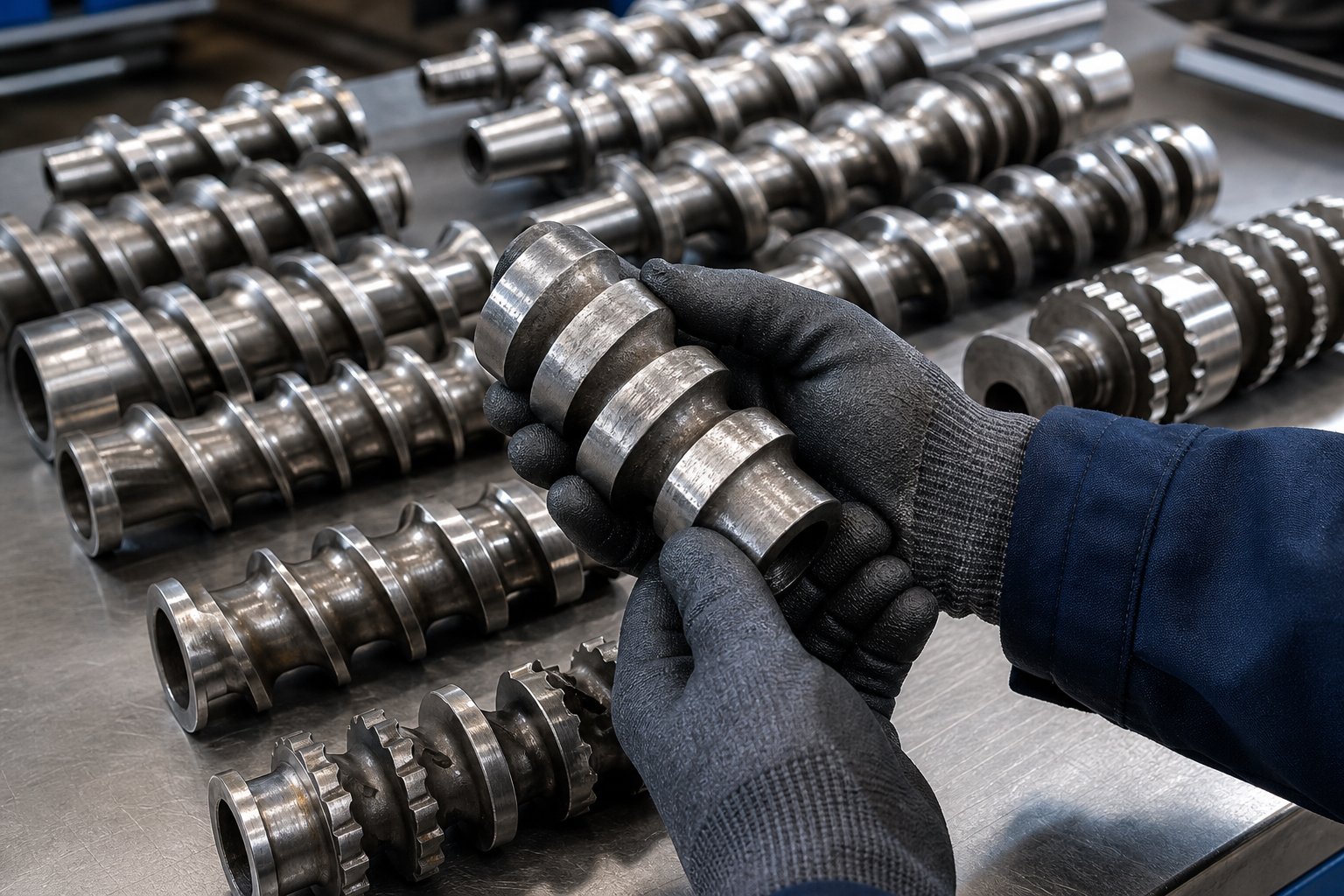
- Conveying elements: Deep-flighted screws that move material forward efficiently with minimal shear input. They dominate the feed zone and transport zones, and their pitch determines how aggressively material advances.
- Kneading elements: Stacked discs offset at specific angles that generate intense shear. Wider kneading elements promote dispersive mixing — breaking agglomerates apart — while narrower elements favor distributive mixing, spreading the dispersed phase evenly. Forward-staggered kneading blocks are gentler; neutral and reverse-staggered arrangements increase aggressiveness and residence time significantly.
- Mixing elements: Toothed or gear-type designs that provide distributive mixing with minimal shear — ideal for blending temperature-sensitive additives or achieving homogeneity without excessive energy input. These are particularly valuable in food extrusion and pharmaceutical hot-melt applications.
- Restrictive elements (reverse screws): Left-handed conveying elements that push material backward, creating a melt seal or pressure zone. They are essential for venting configurations, ensuring that vacuum ports can remove volatiles without pulling material into the vent stack.
Barrel metallurgy is the other half of the equation. Standard nitrided steel barrels serve well for unfilled polyolefin and styrenic processing. But a high quality assurance clam shell twin screw plastic extruder machine running glass-fiber-reinforced nylon or mineral-filled PBT demands bimetallic barrel linings — tungsten carbide or boron-based alloys — to resist the abrasive erosion that would destroy a standard barrel in months. Corrosion-resistant alloys become essential for PVC processing and fluoropolymer compounding, where hydrochloric acid or hydrofluoric acid byproducts attack conventional steel.
Matching the screw profile and barrel metallurgy to your specific material and process conditions is not a one-time decision. As formulations evolve — incorporating higher filler loadings, recycled feedstocks, or new polymer chemistries — the screw configuration should evolve with them. The modular design of twin screw extruders makes this practical: elements can be rearranged, swapped, or replaced individually without replacing the entire screw shaft.
Operational mastery and smart configuration choices protect the investment you have already made. The broader question — where the entire market is heading and what strategic moves position your organization to benefit — requires a different lens entirely.
Future Outlook and Strategic Recommendations for Twin Screw Extruder Machine Suppliers
Operational excellence and smart configuration choices protect current investments. But the twin screw extruder machine market does not stand still — and neither should the professionals operating within it. The convergence of forces explored throughout this guide points toward a market that is not only growing but fundamentally transforming in ways that reward preparation and punish complacency.
Market Trajectory and Strategic Implications
Consider the scale of what is happening simultaneously. Sustainability mandates across the EU, North America, and increasingly across Asia are forcing processors to handle recycled feedstocks that did not exist in their production plans five years ago. Industry 4.0 technologies — IoT monitoring, AI-driven process optimization, and digital twins — are shifting from optional upgrades to baseline buyer expectations. Emerging applications in EV battery electrode manufacturing, pharmaceutical hot-melt extrusion, and plant-based protein texturization are opening entirely new revenue pools that did not register on market forecasts a decade ago.
Meanwhile, geographic expansion continues to reshape competitive dynamics. Fact.MR projects the global market will grow from approximately USD 5.0 billion in 2026 to USD 7.0 billion by 2036 at a CAGR of 3.5%, creating an absolute dollar opportunity of over USD 2.0 billion. China's 4.0% growth rate leads all major markets, but South Korea, the United States, Germany, and Italy each contribute meaningful expansion driven by their own distinct industrial logic — from battery materials processing in Seoul to pharmaceutical continuous manufacturing in Frankfurt.
What does this mean strategically? The market increasingly rewards participants who combine three capabilities: technical depth in screw and barrel engineering, smart sourcing that balances equipment quality against total cost of ownership, and operational discipline that maximizes machine uptime and output consistency. Companies that treat equipment procurement as a one-time transaction — buy the cheapest machine, run it until it breaks, replace it — will find themselves outcompeted by those who manage their extrusion assets as integrated systems with continuous optimization loops.
The competitive landscape reinforces this. Established European OEMs are embedding digital platforms and application engineering services into their value propositions. Twin screw extruder machine manufacturer in China operations are climbing the quality ladder rapidly, capturing mid-range segments with improving torque density and control system sophistication. Twin screw extruder machine manufacturer in India firms are expanding capacity to serve domestic automotive and packaging demand while building export credibility. And specialized niche players — in lab-scale equipment, pharmaceutical GMP systems, and food-grade platforms — are carving out high-margin positions that insulate them from commodity price competition.
For market analysts tracking this space, the key insight is that headline CAGR figures understate the opportunity in premium segments. Pharmaceutical HME, battery electrode processing, and smart extrusion systems all command higher equipment values and stronger margins than baseline plastics compounding. The value mix within the market is shifting upward even as the overall volume base expands — a dynamic that creates outsized returns for suppliers positioned in the right application verticals.
Actionable Next Steps for Industry Professionals
Strategy without execution is just a presentation deck. Whether you are an engineer evaluating your next equipment upgrade, a procurement manager renegotiating supplier contracts, or a business leader sizing a market entry, the following steps translate the insights from this guide into concrete action:
- Evaluate current extruder configurations against evolving material requirements. If your formulation portfolio has shifted toward higher filler loadings, recycled content targets, or new polymer chemistries over the past three to five years, your existing screw profiles may no longer be optimized. Conduct a screw element audit — compare current configurations against recommended profiles for your actual production recipes, not the recipes you were running when the machine was commissioned.
- Assess total cost of ownership including wear component replacement cycles. Pull maintenance records and calculate your true cost per kilogram of processed output — factoring in energy, wear parts, downtime, and scrap. This number reveals whether your current equipment is genuinely cost-effective or simply familiar. The twin screw extruder machine price in India or China may look attractive on a purchase order, but TCO analysis tells you whether that savings holds over a full equipment lifecycle.
- Explore factory-direct sourcing for screw barrels and wear parts to reduce maintenance costs. You do not need to source every replacement component from your original equipment manufacturer. Specialized suppliers like NANHAIYA provide factory-direct screw and barrel solutions for extrusion, compounding, and pelletizing replacement projects — offering an alternative supply channel that can shorten lead times and reduce per-unit costs without compromising metallurgical specifications. Whether you are sourcing from a twin screw extruder machine wholesaler in china or a regional distributor, diversifying your wear component supply chain protects against single-source risks.
- Invest in smart monitoring capabilities. Even if a full digital twin deployment is beyond your current budget, start with basics: retrofit melt pressure sensors, barrel thermocouple arrays, and motor load monitoring with data logging. The process visibility you gain enables predictive maintenance decisions and establishes the data foundation for future AI-driven optimization. Fact.MR's analysis confirms that smart extrusion systems with IoT-enabled monitoring are transitioning from premium options to standard equipment features — waiting too long to adopt them puts you at a competitive disadvantage.
- Stay informed on regulatory developments affecting material processing requirements. Recycled content mandates, food contact compliance updates, pharmaceutical serialization rules, and carbon reporting obligations all influence what your extruders need to process and how they need to document it. Build regulatory tracking into your annual planning cycle rather than reacting after new rules take effect.
The twin screw extruder machine market is projected to grow steadily through 2036 and beyond — driven by the intersection of sustainability regulation, advanced material demand, and digital manufacturing transformation. Organizations that invest in technical capability, smart sourcing, and operational discipline will capture disproportionate value from this expansion.
This guide has walked through machine configurations, growth drivers, regional dynamics, competitive structures, sourcing strategies, and operational best practices. The twin screw extruder machine suppliers and manufacturers who thrive in the decade ahead will not simply sell hardware — they will deliver integrated processing solutions that combine equipment performance, digital intelligence, and responsive aftermarket support. For buyers, the message is equally clear: treat your extrusion platform as a strategic asset, manage its total lifecycle cost with discipline, and stay ahead of the application trends that are reshaping demand across every region and industry vertical. The market rewards those who prepare. It does not wait for those who hesitate.
Twin Screw Extruder Machine Market FAQs
1. What is the projected size of the twin screw extruder machine market by 2036?
The global twin screw extruder machine market is estimated at approximately USD 4.8 billion in 2025 and is projected to reach roughly USD 7.0 billion by 2036, growing at a compound annual growth rate of 3.5%. China leads country-level growth at a 4.0% CAGR, followed by the United States at 3.2% and South Korea at 3.3%. Actual figures vary by research firm depending on whether the scope includes aftermarket parts, auxiliary equipment, and service contracts.
2. What is the difference between co-rotating and counter-rotating twin screw extruders?
Co-rotating twin screw extruders have both screws turning in the same direction, delivering superior dispersive and distributive mixing, self-wiping action, and high throughput — ideal for compounding, masterbatch, and reactive extrusion. Counter-rotating extruders spin screws in opposite directions, generating higher pressure with gentler shear, making them better suited for thermally sensitive materials like rigid PVC in pipe and profile extrusion. The choice depends on your specific material, required mixing intensity, and end-product specifications.
3. How do I choose between a twin screw and a single screw extruder?
Start with your raw material and process requirements. If you are processing pre-compounded pellets that only need melting and shaping — such as PE pipe extrusion from uniform resin — a single screw extruder is typically more cost-effective. Choose a twin screw extruder when your process requires intensive mixing, high filler dispersion, devolatilization of recycled feedstock, or multi-component blending inside the machine itself. Twin screws also excel in pharmaceutical hot-melt extrusion, food texturization, and any application demanding modular screw reconfiguration for different recipes.
4. What factors affect the total cost of ownership for a twin screw extruder machine?
Total cost of ownership extends far beyond the purchase price. Key components include initial equipment cost, installation and integration expenses, ongoing energy consumption (often the largest single operating cost for 24/7 lines), wear parts replacement for screw elements and barrel liners, preventive and corrective maintenance, and production downtime losses. Processing abrasive materials like glass-fiber-reinforced compounds accelerates wear significantly. Sourcing replacement screw and barrel components from factory-direct specialists such as NANHAIYA (nhyscrews.com/products) can reduce per-unit wear part costs without sacrificing metallurgical quality.
5. Which industries are driving the fastest growth in the twin screw extruder machine market?
Plastics compounding remains the largest application segment at roughly 38.7% of the market, but the fastest-growing demand comes from emerging applications. EV battery electrode manufacturing uses twin screw extruders for dry electrode processing, eliminating solvent-based coating steps. Pharmaceutical hot-melt extrusion is expanding rapidly as drug developers improve bioavailability of poorly soluble APIs. Plant-based meat production relies on high-moisture twin screw extrusion for realistic fibrous textures. Additionally, recycling and circular economy mandates across the EU and North America are driving significant equipment investment for processing post-consumer recyclates.
Written by
Nanhaiya Technical Team
Zhoushan Nanhaiya Plastic Machinery Co., Ltd.
The Nanhaiya technical team supports screw and barrel manufacturing projects through application review, technical communication, custom manufacturing coordination, and production and quality control.
Discuss Your Application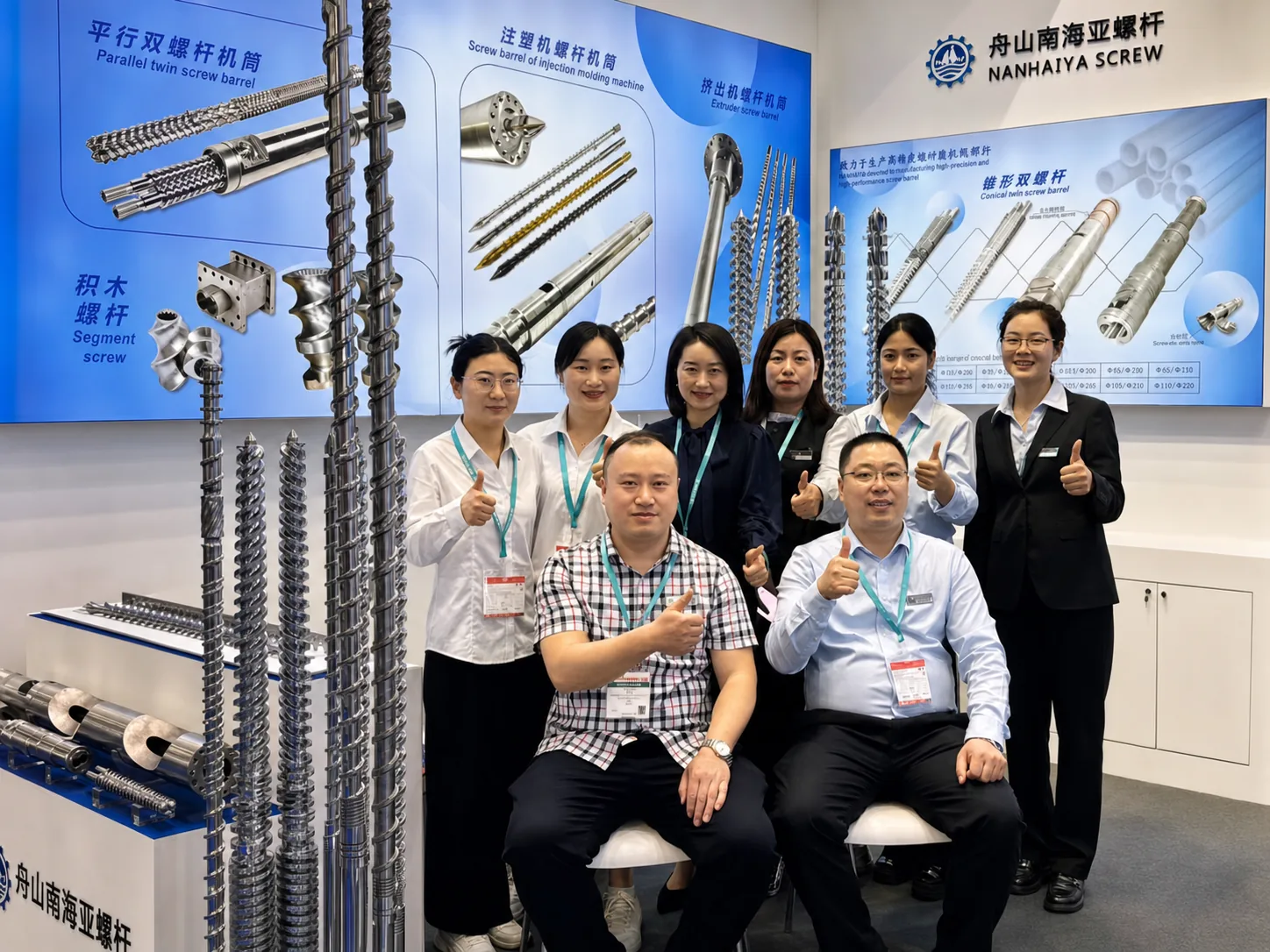
Related Articles
More insights on screw barrel technology and plastics processing.
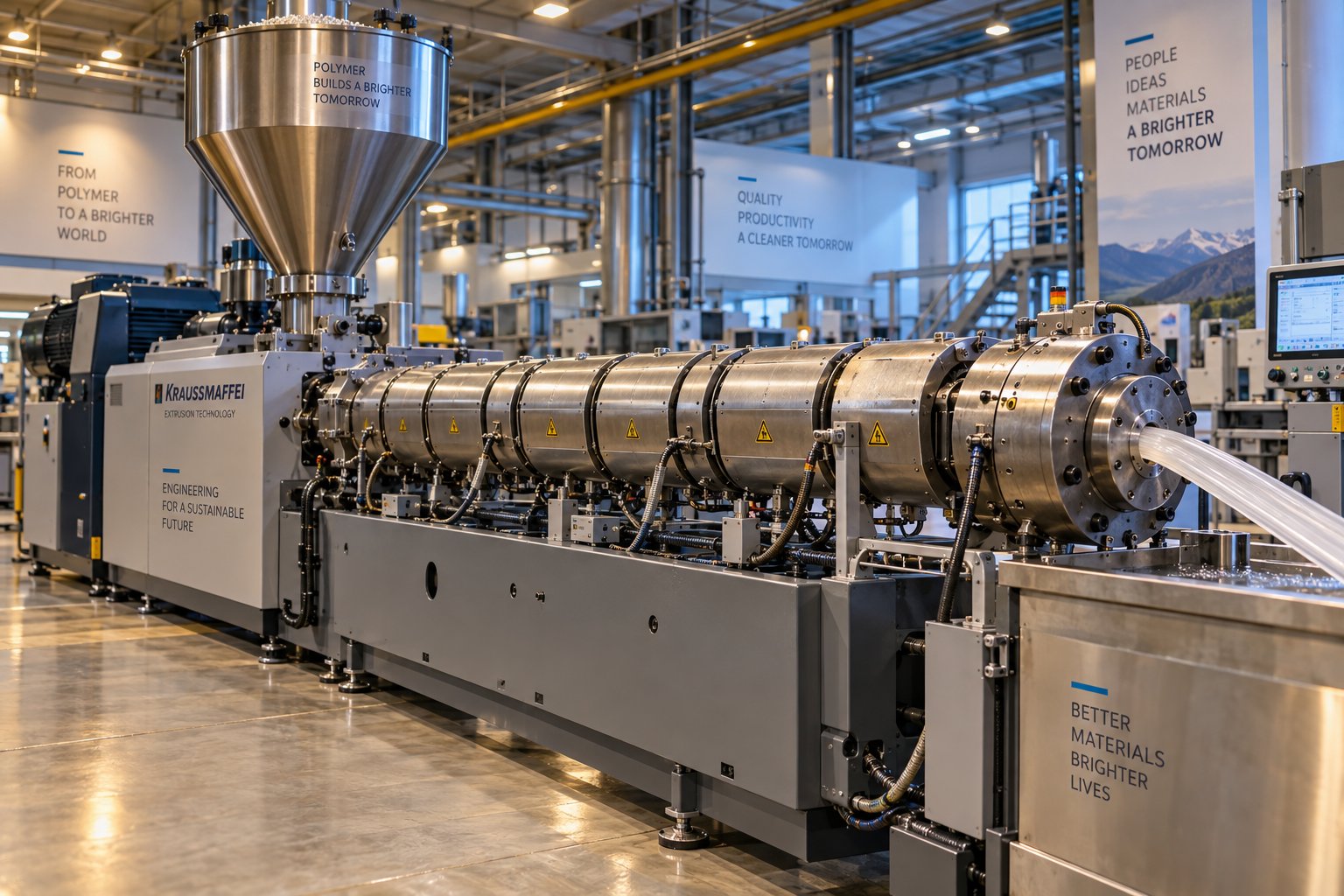
Extruder Machine Decoded: From Raw Pellet To Finished Product
Oct 6, 2026
Learn how an extruder machine works, compare single-screw vs. twin-screw types, and get expert guidance on specs, troubleshooting, and selection.
Read Article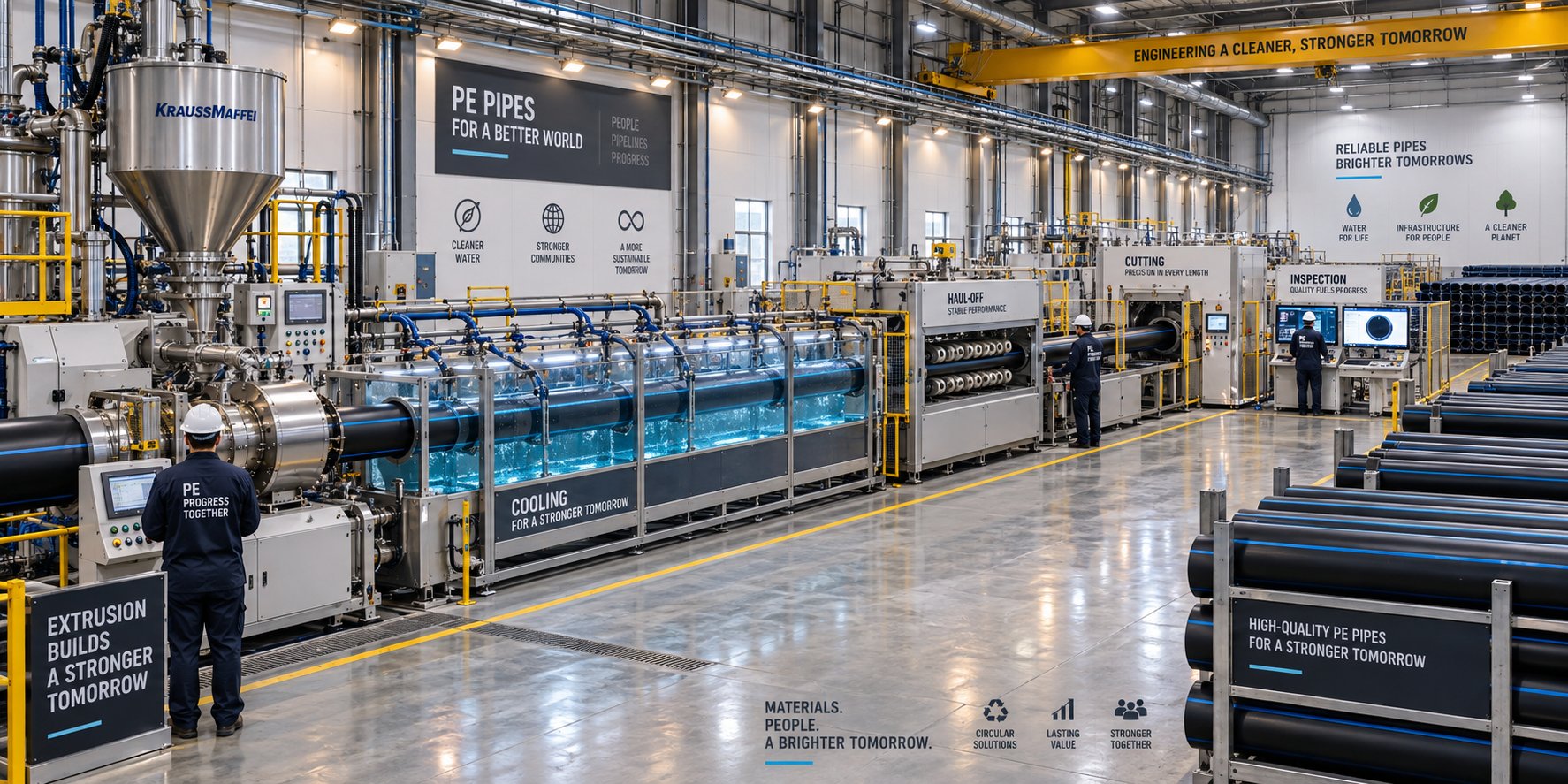
PE Pipe Making Machine Decoded: From Raw Resin to Flawless Pipe
Oct 4, 2026
Learn how a PE pipe making machine works, from resin to finished pipe. Covers components, material grades, automation, troubleshooting, and buyer selection tips.
Read Article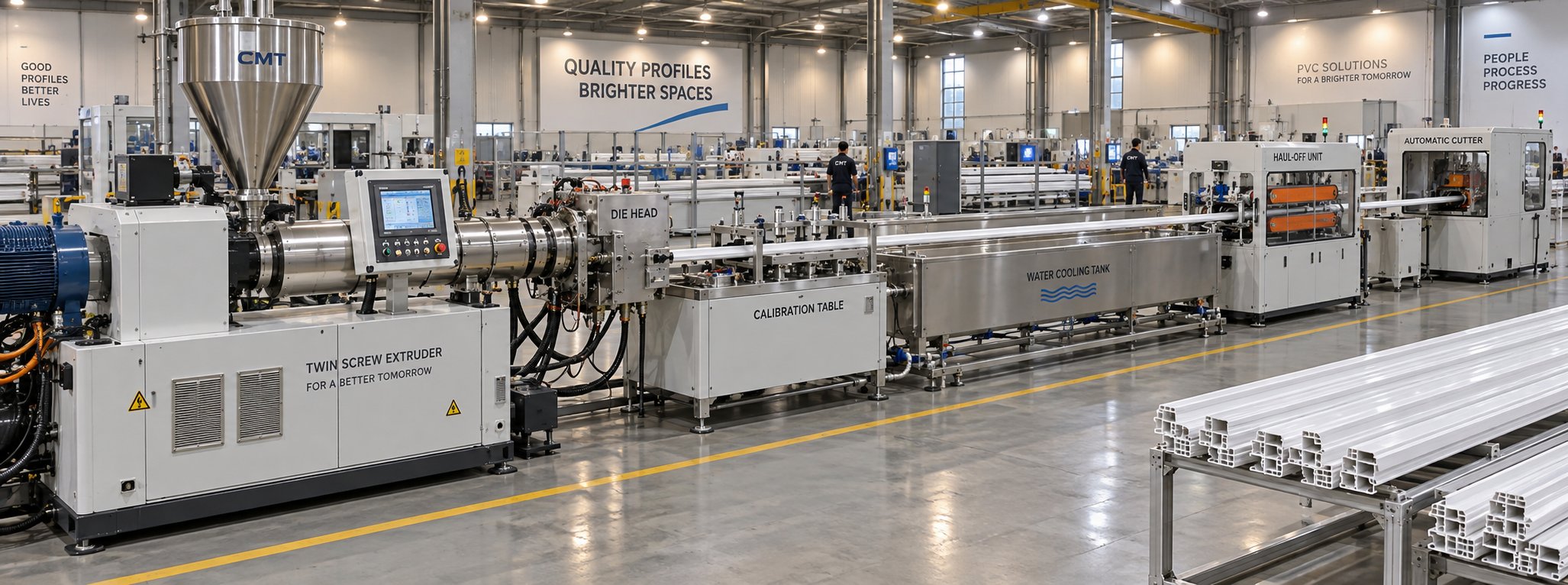
PVC Profile Making Machine Decoded: From Raw Resin To Profit
Oct 3, 2026
Learn how a PVC profile making machine works — extrusion process steps, key technical parameters, die design, calibration methods, maintenance, and total cost of ownership.
Read ArticleLooking for something else?
Search by material, symptom or product and jump straight to the relevant page.
These are navigation suggestions based on keyword matching — not a quotation, not a delivery commitment, and not a substitute for engineering review. Final specification is confirmed by our engineers against your drawings and processed material.
Need help with screw barrel selection?
Share your machine model, processed material and application. Our team can help with pricing and technical support.