

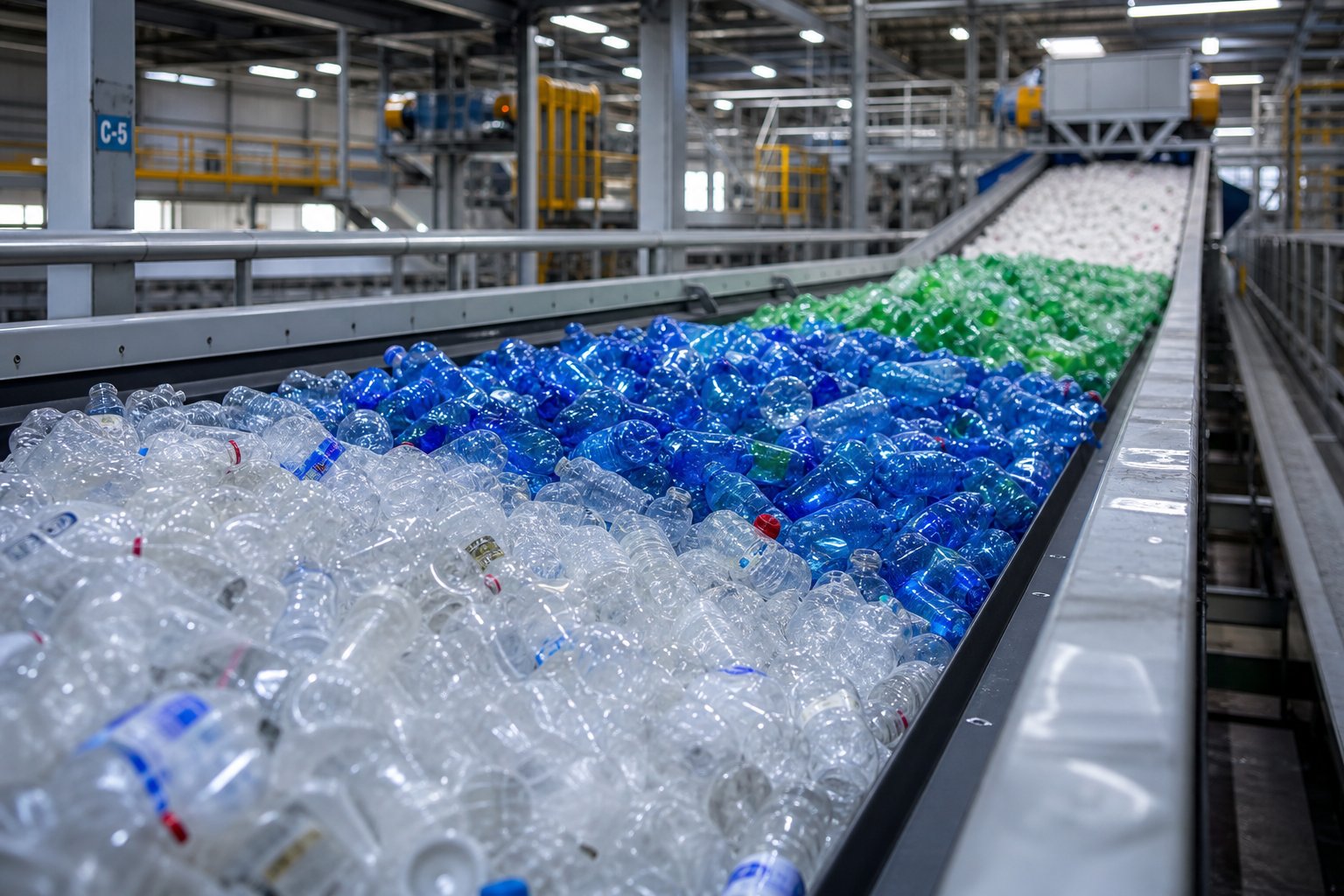
What Plastic Recycling Actually Means and Why It Matters
Pick up any plastic container in your kitchen and flip it over. You'll likely spot a small triangle of arrows stamped on the bottom. But is plastic recyclable just because it carries that symbol? The honest answer is: it depends. And that gap between perception and reality is exactly where confusion thrives.
Plastic recycling is the process of collecting, sorting, cleaning, and reprocessing used plastic materials into new products or raw materials, diverting waste from landfills and reducing the need for virgin plastic production.
That definition sounds tidy, but the full plastic life cycle tells a messier story. It starts with production — where fossil fuels are refined into polymer resins (curious about plastic, how is it made? It begins as crude oil or natural gas). From there, plastic moves through manufacturing, consumer use, collection, sorting, reprocessing, and finally transformation into new goods. Each stage introduces friction, and not every piece of plastic completes the journey.
Here's the part most explanations skip: the recyclability of any given item hinges on local infrastructure, material type, and contamination levels. A Greenpeace USA report found that U.S. plastics recycling rates have dropped to roughly 5-6%, down from 9.5% in 2014. The system works, but not nearly as well as most people assume.
Thermoplastics vs Thermosets and Why It Matters
Every plastic falls into one of two families, and this single distinction determines whether it can ever be recycled at all.
Thermoplastics have a melting point. They soften when heated, which means they can be melted down, reshaped, and recast into new products. Your water bottles, milk jugs, and grocery bags are all thermoplastics — and they're the only plastics that are truly recyclable through conventional methods.
Thermosets, on the other hand, undergo a permanent chemical change when they cure. Their cross-linked molecular bonds are irreversible, so instead of melting, they burn or char. Think epoxy resins, certain automotive parts, and electrical insulation. Once a thermoset is formed, it cannot be reshaped — period.
This distinction matters because it sets a hard ceiling on what the recycling system can even attempt to process. Understanding it saves you from tossing non-recyclable items into the bin, where they become contaminants that degrade the quality of everything around them.
Defining Plastic Recycling in Practical Terms
So, can you recycle plastic? Yes — but only certain types, only in certain places, and only when contamination is kept in check. Framing the process honestly means acknowledging that recycling is essential and limited. It's one critical tool, not a silver bullet.
The real question isn't whether recycling matters. It does. The real question is which plastics actually make it through the system — and that comes down to the specific resin type stamped on the bottom of every container you handle.
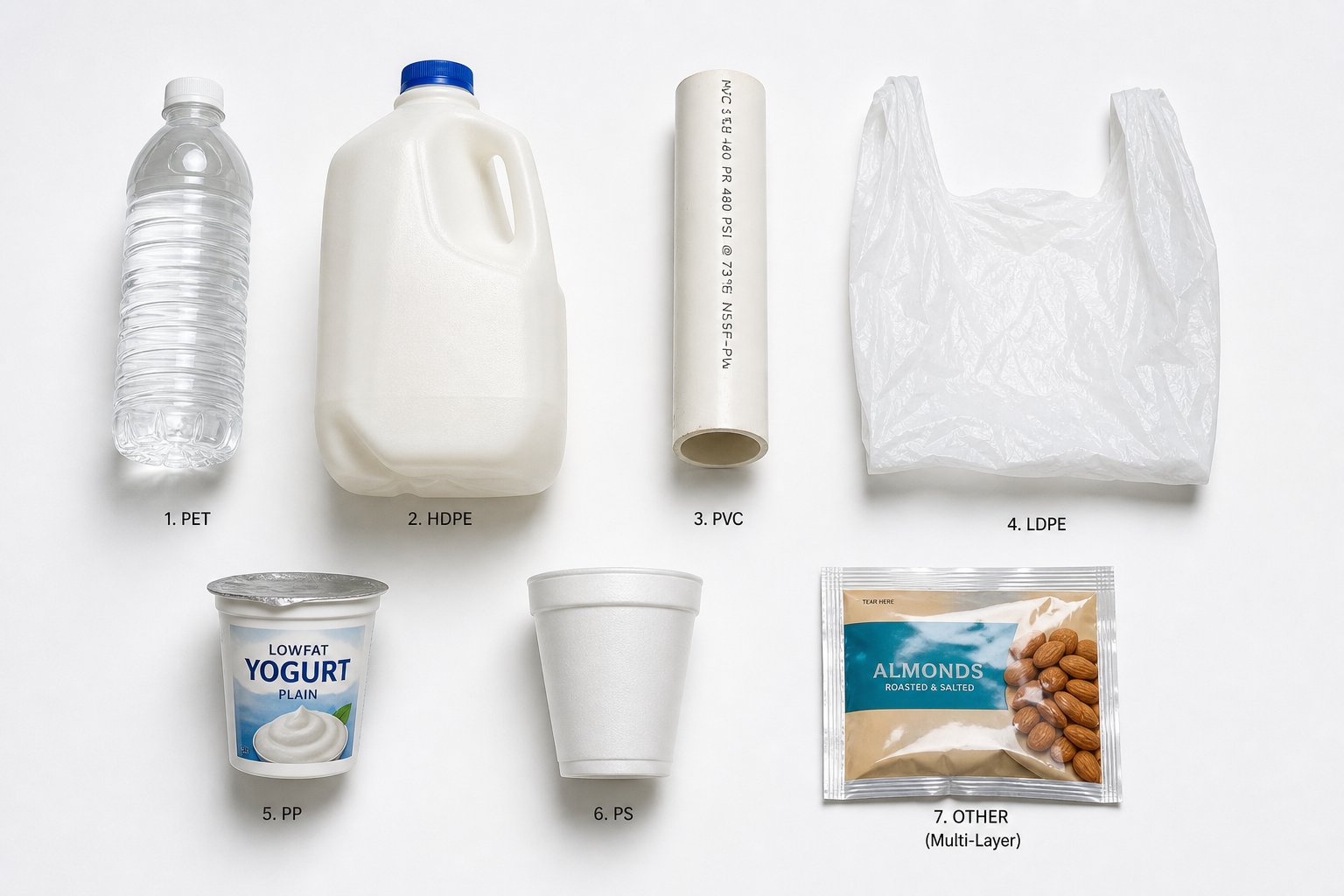
Every Plastic Type Ranked by Real-World Recyclability
That tiny number stamped inside a triangle? It's a resin identification code (RIC), originally created by the Society of the Plastics Industry in 1988 — not for consumers, but for manufacturers. It identifies what type of plastic can be recycled in theory, yet it says nothing about whether your local facility actually accepts it. This single misunderstanding drives more contamination than almost any other factor in the recycling stream.
Understanding the Seven Plastic Resin Codes
Seven codes cover the full spectrum of consumer plastics. Each represents a different polymer with different properties, different market demand, and wildly different recycling outcomes. Here's the definitive breakdown:
| Resin Code | Common Products | Recyclability Status | Notes |
|---|---|---|---|
| #1 PET (Polyethylene Terephthalate) | Water bottles, soda bottles, food jars | Widely accepted | Highest recycling rate of any resin. NAPCOR reported a 33% US bottle collection rate in 2023. |
| #2 HDPE (High-Density Polyethylene) | Milk jugs, detergent bottles, shampoo containers | Widely accepted | Strong demand for natural (translucent) HDPE. Colored HDPE recycles at lower rates. |
| #3 PVC (Polyvinyl Chloride) | Pipes, food wrap, blister packs | Rarely recycled | Contains chlorine; contaminates PET streams at just 50 ppm. Most programs reject it. |
| #4 LDPE (Low-Density Polyethylene) | Plastic bags, bread bags, shrink wrap | Conditionally recyclable | Not curbside-accepted in most areas. Store drop-off programs exist but recover limited volumes. |
| #5 PP (Polypropylene) | Yogurt cups, bottle caps, straws | Conditionally recyclable | Growing acceptance — roughly 8% US recycling rate. Check your local program. |
| #6 PS (Polystyrene) | Foam cups, takeout containers, egg cartons | Rarely recycled | Banned in 12+ US states. Linked to styrene leaching. Accounts for ~35% of US landfill material. |
| #7 Other (Mixed/BPA/PLA) | Multi-layer packaging, water cooler jugs, bioplastics | Not recyclable | Catch-all category. No reliable sorting protocol exists for mixed Code 7 materials. |
Which Numbers Your Curbside Program Actually Accepts
So what plastics are recyclable through your curbside bin? For the vast majority of programs, the answer is #1 and #2 — full stop. These two resins have established end markets, reliable sorting via near-infrared (NIR) technology, and consistent demand from manufacturers.
Is polypropylene recyclable? Technically yes, and acceptance is growing. The Polypropylene Recycling Coalition has invested $10 million to increase the national PP recycling rate by 5 percentage points. But your program may not accept it yet. Always verify locally.
Is PVC recyclable? In practice, almost never. PVC's chlorine content makes it a contaminant in other recycling streams, and the packaging recycling rate sits below 1%. The Association of Plastic Recyclers formally designates PVC as a contaminant, and California's SB 343 prohibits PVC packaging from carrying a recyclable label.
LDPE — your grocery bags and stretch film — jams sorting equipment at material recovery facilities. That's why most cities tell you to keep bags out of the bin. Some retailers offer store drop-off programs, but recovery remains low at roughly 5-6%.
The Recycling Symbol Misconception
Here's what trips people up: the triangle of arrows on a container is not a recycling symbol. It's a resin identifier. Its presence does not mean an item is recyclable plastic in your area. This confusion leads well-meaning people to toss PVC cling wrap, polystyrene takeout trays, and multi-layer pouches into recycling bins — contaminating entire loads.
When you're wondering which plastics can be recycled through your program, ignore the triangle and focus on two things: the number inside it and your municipality's accepted materials list. A quick check of your hauler's website typically answers the question in seconds.
Identifying recyclable plastics at home comes down to a simple rule of thumb: rigid containers numbered #1 or #2 are almost universally accepted. For #5, check locally. Everything else? Assume it needs an alternative path — whether that's a specialized drop-off, a store take-back program, or the landfill bin.
The gap between what plastics can be recycled in theory and what actually gets processed reveals a deeper challenge — one that plays out not at your kitchen bin, but inside the mechanical systems that turn sorted flake into usable material.
How Mechanical Recycling Transforms Plastic Waste Into New Material
Imagine tossing a water bottle into a blue bin. What actually happens to it? The journey from discarded container to usable raw material involves a precise sequence of physical steps — no chemistry tricks, just heat, force, and careful sorting. This is mechanical recycling, and it handles the overwhelming majority of recycling plastic worldwide. Understanding how it works reveals both why the system succeeds and where it breaks down.
The Mechanical Recycling Process Step by Step
So, how do you recycle plastic through mechanical means? The recycling process follows a fixed sequence, and each stage exists for a reason. Skip one, and the output quality suffers. Here's the full chain:
- Collection — Plastic waste is gathered through curbside programs, drop-off centers, or commercial waste streams. This first step determines the volume and quality of everything downstream.
- First-pass sorting — Materials are separated by resin type using a mix of manual labor and automated systems like near-infrared (NIR) sensors. PET bottles go one way, HDPE jugs another. Contaminants — glass, metal, non-recyclable plastics — get pulled out.
- Shredding — Accepted plastics are ground into small flakes, increasing surface area and making the material easier to clean and process uniformly.
- Washing and decontamination — Flakes pass through hot wash tanks and friction washers that strip away food residue, adhesives, ink, and labels. Washing eliminates roughly 90% of contamination, making it arguably the most critical quality-control step.
- Second sorting and quality control — Clean flakes undergo another round of sorting — often by color, density, or melt-flow characteristics — before advancing to extrusion.
- Melting and extrusion — Flakes are fed into an extruder, where heat and pressure melt them into a uniform stream. The molten plastic is forced through a die and cut into small, uniform pellets.
- Pelletization — These pellets — now called post-consumer resin (PCR) — become the raw material manufacturers use to make new products.
Sorting accuracy and contamination removal are the two factors that make or break everything else. A single PVC fragment in a PET batch can ruin an entire production run. A poorly washed flake introduces odor, discoloration, or structural weakness into the final pellet. The recycling process isn't just about melting plastic down — it's about maintaining purity at every handoff.
What Is Post-Consumer Resin and Where You Encounter It
Post-consumer resin is exactly what it sounds like: plastic that was used by a consumer, collected, and reprocessed into pellet form ready for manufacturing. You encounter PCR more often than you might realize. That shampoo bottle labeled "made with 50% recycled content"? PCR. The fiber in your recycled-polyester jacket? PCR, typically sourced from plastic bottle recycling programs. Recycled food-grade PET trays at the grocery store? Also PCR — though food-contact approval requires FDA or EFSA certification to verify contaminant removal.
PCR differs from virgin plastic in a few practical ways. Its clarity is often slightly reduced — a faint greenish-brown or blue tint is common in recycled PET. Mechanical properties can be marginally lower. And supply is less consistent: PCR materials vary in quality depending on source, sorting rigor, and how many times the material has been previously processed.
That last point deserves attention. Each time you recycle plastic bottles or any thermoplastic through mechanical means, the polymer chains shorten slightly. Think of it like photocopying a photocopy — every cycle loses a bit of fidelity. Research from the University of Manchester has shown that during extrusion, heat and shear forces trigger chain scission and branching reactions that progressively alter the material's molecular structure. Pristine HDPE can theoretically withstand up to 100 reprocessing cycles before significant degradation, but real-world recyclate — with its contamination and mixed compositions — degrades far faster and less predictably.
This degradation ceiling means that recycling plastic bottles into new bottles works well for a few cycles, but eventually the material downcycles into lower-value products like park benches, carpet fiber, or construction lumber. Manufacturers compensate by blending PCR with virgin resin to maintain performance, yet this highlights a fundamental limitation: mechanical recycling extends the life of plastic, but it cannot loop it indefinitely.
That built-in constraint is precisely what's driving interest in a different class of technologies — methods designed to break polymers all the way back down to their molecular building blocks and rebuild them from scratch.
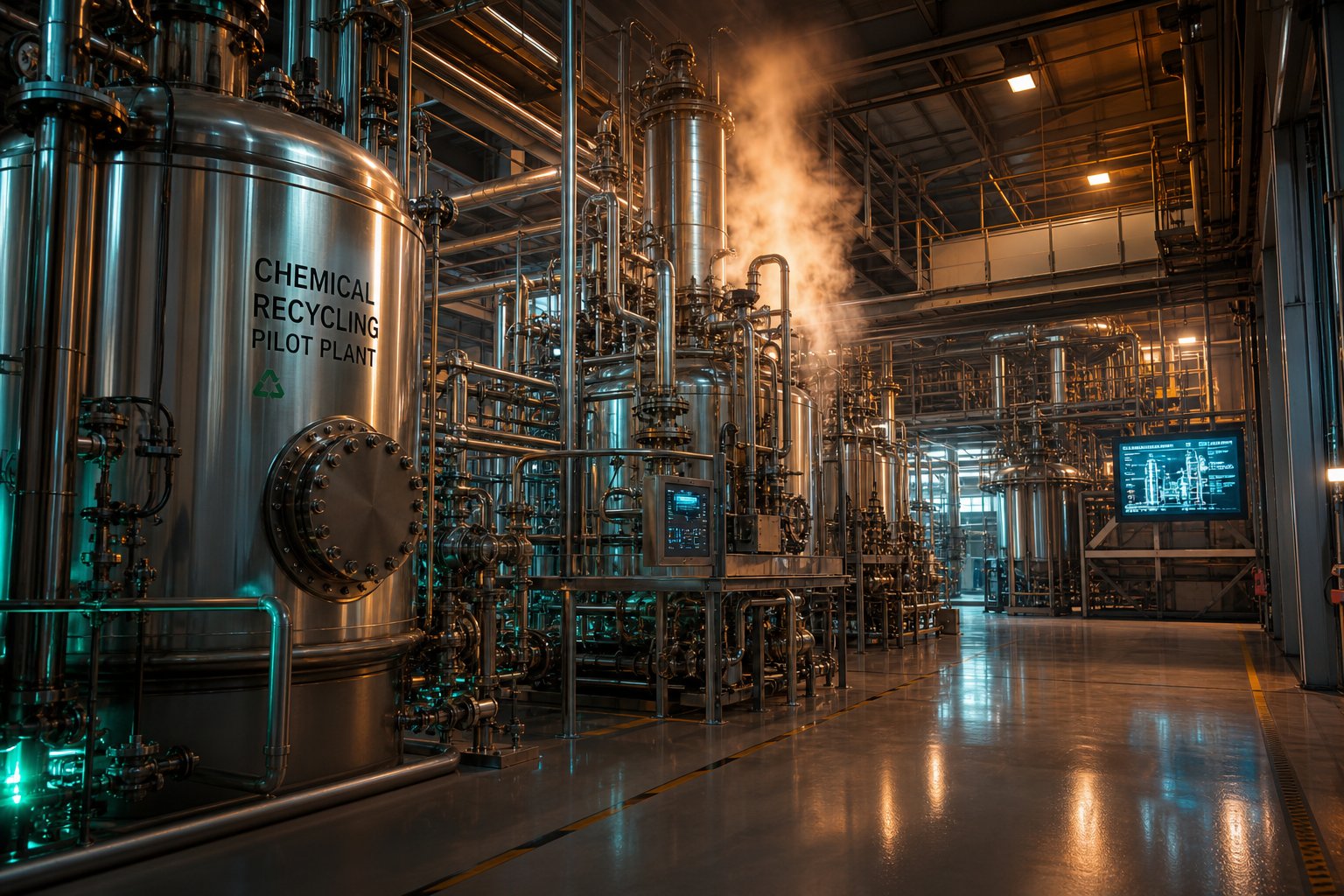
Chemical and Advanced Recycling Technologies Changing the Game
Mechanical recycling reshapes plastic physically. But what happens when you need to undo plastic at a molecular level — strip it back to the same chemical building blocks it started from? That's the promise of chemical recycling, and it represents the fastest-evolving frontier in plastic recycling technology.
Where mechanical methods melt and remold, chemical recycling of plastics breaks polymer chains apart through controlled reactions, producing outputs that can rival virgin-quality material. It's not a replacement for mechanical systems — it's the complement that handles what they can't.
Chemical Recycling Methods Explained
Three primary methods of recycling fall under the chemical umbrella, each targeting different feedstocks and yielding different outputs:
- Pyrolysis — Thermal decomposition in the absence of oxygen. Plastic is heated to extreme temperatures (typically 300-900°C), breaking long polymer chains into shorter hydrocarbon molecules. The output is pyrolysis oil, wax, or gas that can serve as feedstock for new plastic production or fuel. Pyrolysis handles mixed and contaminated plastics that mechanical systems reject, but research from the Chinese Academy of Sciences highlights that high operating temperatures demand significant energy inputs, and product separation adds complexity.
- Solvolysis — A solvent-based approach that dissolves specific polymers, separating them from contaminants, dyes, and additives. The dissolved polymer can then be recovered in near-original form. This method works particularly well for polyesters and polycarbonates but requires careful solvent management and recovery systems.
- Depolymerization — The most precise approach, breaking polymers all the way back to their original monomers. Those monomers can then be repolymerized into virgin-equivalent material. Think of it as unsnapping a chain of Lego bricks and rebuilding something entirely new. The polymer recycling process through depolymerization enables true closed-loop recycling — at least for specific resin types like PET and polystyrene.
Each of these types of plastic recycling addresses a different slice of the waste stream. Pyrolysis handles messy, mixed loads. Solvolysis targets specific polymers with high precision. Depolymerization delivers the highest-quality output but requires relatively clean, sorted input. Together, they expand what's recoverable far beyond what mechanical systems alone can manage.
Here's how chemical and mechanical approaches compare across the factors that matter most to recycling operators:
| Factor | Mechanical Recycling | Chemical Recycling |
|---|---|---|
| Feedstock flexibility | Requires sorted, clean, single-resin input | Accepts mixed, contaminated, and multi-layer plastics |
| Output quality | Degrades with each cycle; properties diminish over time | Can produce virgin-equivalent monomers or polymers |
| Energy requirements | Lower — relies on heat and mechanical force | Higher — demands elevated temperatures, solvents, or catalysts |
| Commercial scalability | Mature, widely deployed globally | Emerging; pilot and early-commercial stage for most methods |
| Number of recycling cycles | Limited (typically 3-7 cycles before significant degradation) | Theoretically unlimited for depolymerization pathways |
Enzymatic and Biological Recycling Breakthroughs
Imagine an enzyme — a biological catalyst — that can chew through a PET bottle at moderate temperatures and spit out the exact monomers needed to build a brand-new one. It sounds futuristic, but biological recycling is advancing faster than most people realize.
The concept centers on engineered PETase enzymes that selectively break down polyethylene terephthalate into its constituent monomers (terephthalic acid and ethylene glycol). Unlike pyrolysis, this happens at relatively low temperatures, and the enzymes ignore non-PET contaminants in the waste stream — meaning colored, contaminated, and low-quality PET that stumps mechanical recyclers becomes viable feedstock.
A landmark 2025 study from NREL, the University of Massachusetts Lowell, and the University of Portsmouth achieved a major milestone: process innovations that reduced annual running costs by 74% and energy use by 65%. The modeled cost of enzyme-recycled PET dropped to $1.51/kg — below the $1.87/kg price of U.S. domestic virgin PET. That cost breakthrough shifts enzymatic polymer recycling from a laboratory curiosity to a genuinely investable technology.
"Despite the advantages of enzymatic recycling for complex plastic waste streams, the field has encountered multiple challenges for realistic implementation," noted Gregg Beckham, a senior research fellow at NREL. "Here we have taken a multidisciplinary approach that incorporates multiple innovations to realize an economically viable and scalable process."
The implications are significant. If enzyme-based systems reach industrial scale, they could enable something mechanical recycling cannot: infinite recyclability for PET, with no degradation in material quality. Given that 86% of U.S. plastics were landfilled in 2019 — material with enough embodied energy to supply 5% of the country's transportation sector power needs — the opportunity for recovery is enormous.
How Chemical and Mechanical Recycling Work Together
The most productive way to think about these technologies isn't "either/or" — it's a layered system. Mechanical recycling handles the high-quality, well-sorted streams (PET bottles, HDPE jugs) efficiently and at lower cost. Chemical methods catch what falls through the cracks: mixed plastics, multi-layer packaging, contaminated films, and materials degraded past their mechanical recycling limit.
A practical polymer recycling process at scale might look like this: a facility mechanically recycles its clean #1 and #2 streams, then routes the residual mixed-plastic fraction to a pyrolysis unit. Meanwhile, contaminated PET textiles — too degraded for another mechanical pass — get diverted to an enzymatic depolymerization line. Each technology plays to its strength.
But balance matters here. Chemical recycling faces real challenges: high energy consumption, catalyst cost and longevity concerns, heat and mass transfer limitations with viscous polymer feedstocks, and the need for comprehensive techno-economic and life cycle assessments before scaling. Overcoming these hurdles demands what researchers describe as a "collaborative effort between fundamental scientific research and industrial expertise." The science is advancing rapidly — the engineering and economics still need to catch up.
Technology alone, though, doesn't determine whether any of these methods actually get deployed. The deciding factor is money — specifically, whether recycled material can compete on price with cheap virgin plastic made from commodity oil.
The Real Economics Behind Plastic Recycling
Cheap oil changes everything. When crude prices drop, virgin resin becomes so inexpensive that recycled plastic material struggles to compete — no matter how efficient the recycling plant or how clean the feedstock. This single economic reality shapes the viability of the entire recycling of plastic industry more than any technology breakthrough or consumer behavior shift ever could.
Why Virgin Plastic Often Costs Less Than Recycled
Picture two pellets sitting side by side on a warehouse shelf. One is virgin polyethylene, produced directly from natural gas liquids in a streamlined petrochemical process. The other is post consumer plastic recycling output — collected from curbside bins, sorted, washed, decontaminated, shredded, and extruded. Which one costs more to make? Almost always, the recycled one.
Why? Four forces work against recycled resin pricing:
- Commodity oil pricing — Virgin plastic production piggybacks on massive fossil fuel infrastructure. When oil and gas prices fall, virgin resin costs plummet with them. Recycled material has no equivalent cost floor to ride.
- Collection and sorting overhead — Gathering scattered consumer waste, transporting it, and running it through optical sorters and manual quality checks adds layers of cost that virgin production simply doesn't face.
- Quality inconsistency — Every bale of post-consumer material is different. Color variation, mixed polymers, residual contamination — all of it requires extra processing steps and reduces yield. Virgin resin arrives uniform, every time.
- Contamination losses — Even with rigorous washing, a percentage of collected plastic fails quality checks and gets landfilled anyway. Those losses eat directly into margins.
The result? IEEFA research shows virgin plastics prices trending substantially lower than recycled plastics in the United States, with basic price parity in Europe and reversed dynamics in China. Globally, the price trend for virgin material keeps sliding downward, driven by persistent petrochemical oversupply. For operators trying to sell recycled pellets, this means competing against a product that's often cheaper and more consistent.
Brand commitments to recycled content and regulatory mandates — like the EU's Packaging and Packaging Waste Regulation (PPWR), which became legally binding across the European Union in August 2026 — create guaranteed demand floors for high-quality grades. But outside those mandated channels, buyers show little willingness to pay premiums for recycled material when virgin polymers remain readily available.
The Global Recycling Trade and Policy Shifts
For decades, the economics of plastic and recycling in wealthy nations rested on a simple formula: collect it domestically, ship it overseas for processing. China absorbed the bulk of the world's scrap of plastic — until 2018, when its National Sword Policy banned imports of waste, parings, and scraps of plastic, reshaping global trade flows almost overnight.
The disruption exposed an uncomfortable truth: many exporting countries lacked the domestic infrastructure to process what they'd been shipping abroad. Trade flows shifted to Southeast Asian nations — Vietnam, Malaysia, Thailand — which quickly became overwhelmed and began imposing their own restrictions.
Then came the Basel Convention's plastic amendments, effective January 2021, which brought plastic waste under the treaty's Prior Informed Consent framework. Parties to the convention can no longer freely trade certain plastic waste with non-parties. Since the United States hasn't ratified the Basel Convention, its ability to export plastic waste to signatory nations like Canada and Mexico faces new legal barriers. These policy shifts forced a reckoning: countries that generate plastic waste increasingly need to process it themselves — or invest in the plastic waste management systems to do so.
The European recycled plastics market reflects this tension starkly. OPIS reports that oversupply, competitively priced imports, and persistent weak demand continue to define market conditions heading into 2026. Elevated energy and labor costs across Europe squeeze profitability, particularly at smaller, older facilities. The result: temporary and permanent plant shutdowns, capacity rationalization, and scaled-back investment plans — including high-profile pullbacks from companies like Dow, Mura Technology, ExxonMobil, and Borealis.
What Drives Recycling Plant Profitability
Strip away the policy debates and commodity cycles, and recycling plant economics come down to a handful of controllable variables. Here's what separates profitable operations from ones bleeding cash:
- Factors that make plastic recovery economically viable:
- Secure, long-term offtake agreements with brand owners committed to recycled content
- High sorting accuracy that maximizes yield and minimizes contamination losses
- Proximity to collection infrastructure, reducing transportation costs
- Modern, well-maintained extrusion and processing equipment that minimizes downtime
- Regulatory mandates (recycled content targets, landfill bans) that create guaranteed demand
- Factors that make it economically unviable:
- Low or volatile virgin resin prices that undercut recycled material
- High energy costs — especially in regions without access to affordable power
- Inconsistent feedstock quality requiring excessive reprocessing
- Aging equipment prone to breakdowns; downtime during production runs destroys margins
- Absence of local end markets, forcing long-distance shipping of finished pellets
That last point about equipment quality deserves emphasis. In a recycling operation, the extruder is where value is created — it's the stage where sorted flake becomes sellable pellet. When screw barrels wear prematurely, when throughput drops because of inconsistent melt flow, or when unplanned maintenance shuts down a production line, those costs cascade. Infrastructure investment — from sorting technology to processing equipment to end-market development — isn't a nice-to-have. It's the difference between a recycling plant that survives lean commodity cycles and one that shuts its doors.
Economics explain why recycling underperforms its potential. But they don't explain the everyday misunderstandings that lead consumers, businesses, and even policymakers to overestimate what the system can actually handle — misconceptions that quietly compound the problem from the demand side.
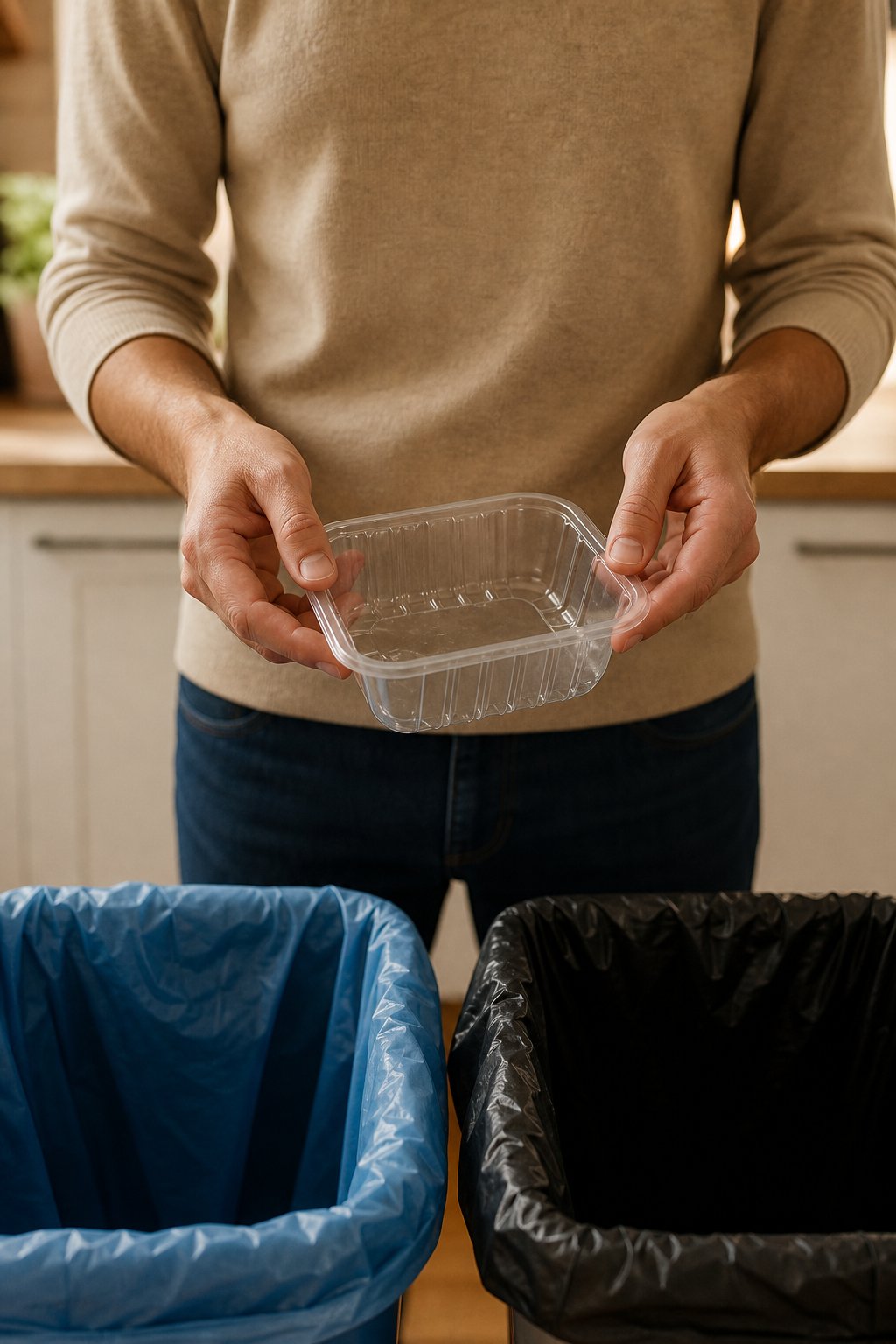
Plastic Recycling Myths That Mislead Consumers and Businesses
You sort your containers, rinse them out, and drop them in the blue bin feeling good about your choices. But what if some of your assumptions about what can plastic be recycled into — or whether it gets recycled at all — are flat-out wrong? Persistent myths fuel contamination, inflate expectations, and mask the real plastic recycling challenges facing the system. Let's separate fact from fiction.
Debunking the Biggest Plastic Recycling Myths
Four misconceptions dominate public thinking. Each one sounds reasonable on the surface — and each one causes measurable harm when acted upon.
- Myth: All plastics are recyclable.
Reality: They're not. Is all plastic recyclable? No — thermosets (epoxies, melamine, vulcanized rubber) cannot be melted and reformed. Multi-layer packaging that fuses different polymers together resists separation. Contaminated items fail quality checks. UW Recycling confirms that even items stamped with the chasing arrows aren't necessarily recyclable — the symbol only identifies resin type, not end-of-life fate. - Myth: Recycling alone solves plastic pollution.
Reality: The waste hierarchy places reduction and reuse above recycling for good reason. With U.S. recycling rates hovering around 5-6%, the system captures a fraction of what's produced. Non recycled plastic packaging waste still dominates landfills and leaks into ecosystems. Recycling is a necessary tool — not a comprehensive solution. - Myth: Biodegradable plastics belong in recycling bins.
Reality: They contaminate conventional streams. The EPA states directly that compostable plastics "can contaminate and disrupt the recycling stream if intermixed with petroleum-based plastics." Compostable serviceware is made of corn or plant fiber that cannot be processed alongside conventional resins. - Myth: Recycled plastic is always lower quality.
Reality: It depends. Mechanically recycled HDPE does lose some clarity and tensile strength over cycles. But food-grade rPET meets FDA standards for direct food contact. Chemical and enzymatic recycling can yield virgin-equivalent output. Quality is context-dependent, not universally degraded.
Are single use plastics recyclable? Some are — PET water bottles and HDPE containers perform well. But films, pouches, sachets, and foam packaging? Most programs reject them outright. The honest answer to "can you recycle plastic?" is always conditional: it depends on the resin, the format, and your local infrastructure.
How Biodegradable and Compostable Plastics Disrupt Recycling
Here's the irony: products designed to be "greener" often cause problems with recycling plastic at scale. Biobased plastics can look and feel identical to petroleum-based ones, but their chemical structures may be incompatible. When a PLA (polylactic acid) cup ends up in a PET recycling stream, it lowers the melt quality of the entire batch.
The EPA clarifies that biobased plastics vary widely — some can be recycled alongside conventional resins if chemically identical, while others absolutely cannot. The only reliable guide is the product label, and even then, consumers frequently confuse "compostable" with "recyclable." They are not interchangeable. If your community lacks an industrial composting program, compostable plastics often end up landfilled regardless of their intended end-of-life path.
The Contamination Problem Most People Ignore
Contamination doesn't just mean food residue in your peanut butter jar. It includes an invisible source most people never consider: microplastics generated during the recycling process itself.
Environmental engineers from the University of Wollongong published findings in Science demonstrating that the shredding step in mechanical recycling creates and releases microplastics into the environment. Their research showed that environmental exposure of stored plastics before processing can nearly double microplastic generation during shredding. As Professor Faisal Hai noted, "the industry that we have built to reduce the plastic pollution problem is in fact creating a problem."
The researchers emphasize they remain strong advocates of recycling — but they're calling for better regulation, wastewater emission standards targeting microplastics, and improved containment at facilities. It's a solvable problem, yet one that demands acknowledgment first.
So what can you actually control? When you do you recycle plastic at home, preparation matters more than most people realize:
- Empty and rinse — containers don't need to be scrubbed spotless, but a quick rinse or wipe prevents food residue from degrading other materials in the bin.
- Caps on or off? — The Association of Postconsumer Plastic Recyclers now recommends leaving caps on empty bottles, though you should verify with your local facility since not all have updated equipment.
- Remove non-plastic components — Metal springs from pump bottles, paper labels that peel easily, and rubber gaskets should be separated when possible.
- Skip mixed-material packaging — Chip bags, juice pouches, and blister packs fuse multiple materials that can't be separated mechanically. These belong in the trash unless a specialized program exists locally.
The myths and contamination issues outlined here don't exist in a vacuum — they play out physically inside the machines that process millions of tons of material annually. The equipment itself faces unique stresses when handling inconsistent, contaminated post-consumer feedstock rather than pristine virgin resin.
Extrusion Equipment That Powers Modern Recycling Operations
A plastic recycling plant can invest in the best sorting technology on the market, deploy state-of-the-art washing systems, and still produce subpar pellets if the extrusion stage falls short. The extruder is where all upstream effort either pays off or gets wasted — it's the machine that transforms sorted, cleaned plastic scrap into sellable post-consumer resin. Every flaw that slips through sorting, every trace of contamination that survives washing, hits the screw barrel first.
Why Extrusion Equipment Is the Heart of Every Recycling Plant
Think of the extruder as the bottleneck that defines everything. Throughput, pellet uniformity, energy consumption per kilogram, even the types of polymers a facility can accept — all of these trace back to screw barrel design and extruder configuration.
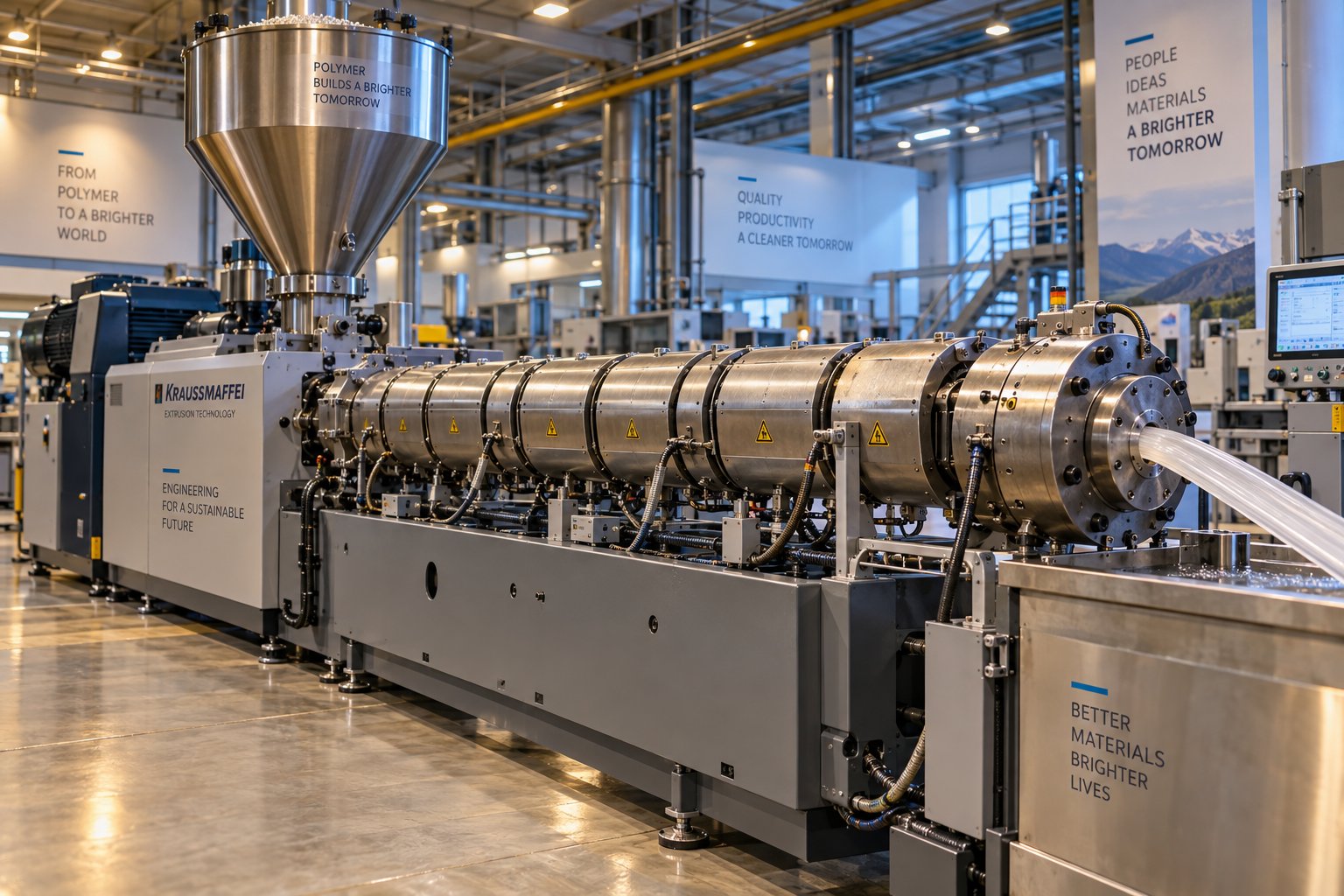
In a typical pe recycling process or an ldpe recycling line, flakes are gravity-fed or force-fed into the extruder barrel, where a rotating screw conveys, compresses, and melts them into a homogeneous stream. The molten material passes through filtration, exits a die head, and gets cut into pellets. Single-screw extruders handle clean, uniform feedstocks efficiently at lower capital cost, while twin-screw systems excel when processing mixed or contaminated post-consumer material — delivering better mixing, stronger degassing, and more stable output even when the input varies batch to batch.
Upstream, a shredder for plastic reduces bulky items into manageable flakes before they enter the line. But it's the extruder that determines whether those flakes become high-value granules or off-spec waste. Every plastic recycling factory lives and dies by this stage.
Screw Barrel Challenges Unique to Recycled Feedstock
Virgin resin arrives clean, consistent, and predictable. Post-consumer material does not. This fundamental difference creates equipment stresses that operators processing recycled feedstock know all too well:
- Abrasive contaminants — Sand, glass fragments, mineral fillers like calcium carbonate, and residual dirt accelerate wear on screw flights and barrel liners. In high-volume operations, this can reduce screw life by 30-50% compared to virgin processing.
- Corrosive additives — PVC recycling is particularly punishing. When PVC degrades under heat, it releases hydrochloric acid (HCl) gas that attacks standard steel barrels and screws from the inside. Recycling polypropylene with flame-retardant additives introduces similar corrosive compounds. Without corrosion-resistant alloys or bimetallic barrel liners, equipment degrades rapidly.
- Inconsistent melt flow — Mixed-polymer batches produce unpredictable viscosity swings. One moment the screw is conveying a low-MFI HDPE fraction; the next, a pocket of higher-flow PP hits the compression zone. These fluctuations cause pressure spikes, uneven pellet sizing, and increased reject rates.
- Moisture and volatiles — Residual moisture in improperly dried flakes triggers hydrolysis in polymers like PET, degrading molecular weight. Inks, adhesives, and label residues release volatile organic compounds that must be vented through degassing ports — requiring barrel configurations with strategically placed vacuum zones.
Each of these challenges shortens component life, increases unplanned downtime, and erodes the thin margins that recycling operations run on.
Matching Equipment to Recycling Application Requirements
No single extruder configuration works for every material stream. A facility running an ldpe recycling line for post-consumer film needs high-torque screws with aggressive feed sections to handle low-bulk-density material from a compactor. A plant processing rigid HDPE crates requires different compression ratios and filtration setups. PVC recycling demands corrosion-resistant metallurgy that would be unnecessary — and wastefully expensive — on a polyolefin line.
The decision between single-screw and twin-screw systems also depends on application. For clean, sorted plastic scrap from industrial sources, a single-screw extruder delivers reliable output at lower operating cost. For post-consumer mixed streams, contaminated feedstock, or applications requiring additive compounding, twin-screw systems justify their higher upfront investment through better melt homogeneity and reduced reject rates.
What matters most is matching screw geometry, barrel metallurgy, and degassing configuration to the specific resin and contamination profile the plant actually processes — not what a generic specification sheet promises. Facilities upgrading their processing capabilities or replacing worn screw barrels can explore application-specific extrusion components through resources like NANHAIYA's plastic extruder machine and screw barrel support page, which covers custom configurations for granulation, film, sheet, and pipe lines handling post-consumer material.
Getting the equipment right solves the micro-level problem of pellet quality and plant uptime. But zoom out, and a harder question emerges: even with perfect machinery and optimized economics, is recycling — as one tool among many — positioned correctly within the broader system of waste management and materials recovery?
Building a Circular Plastics Economy Beyond Recycling Alone
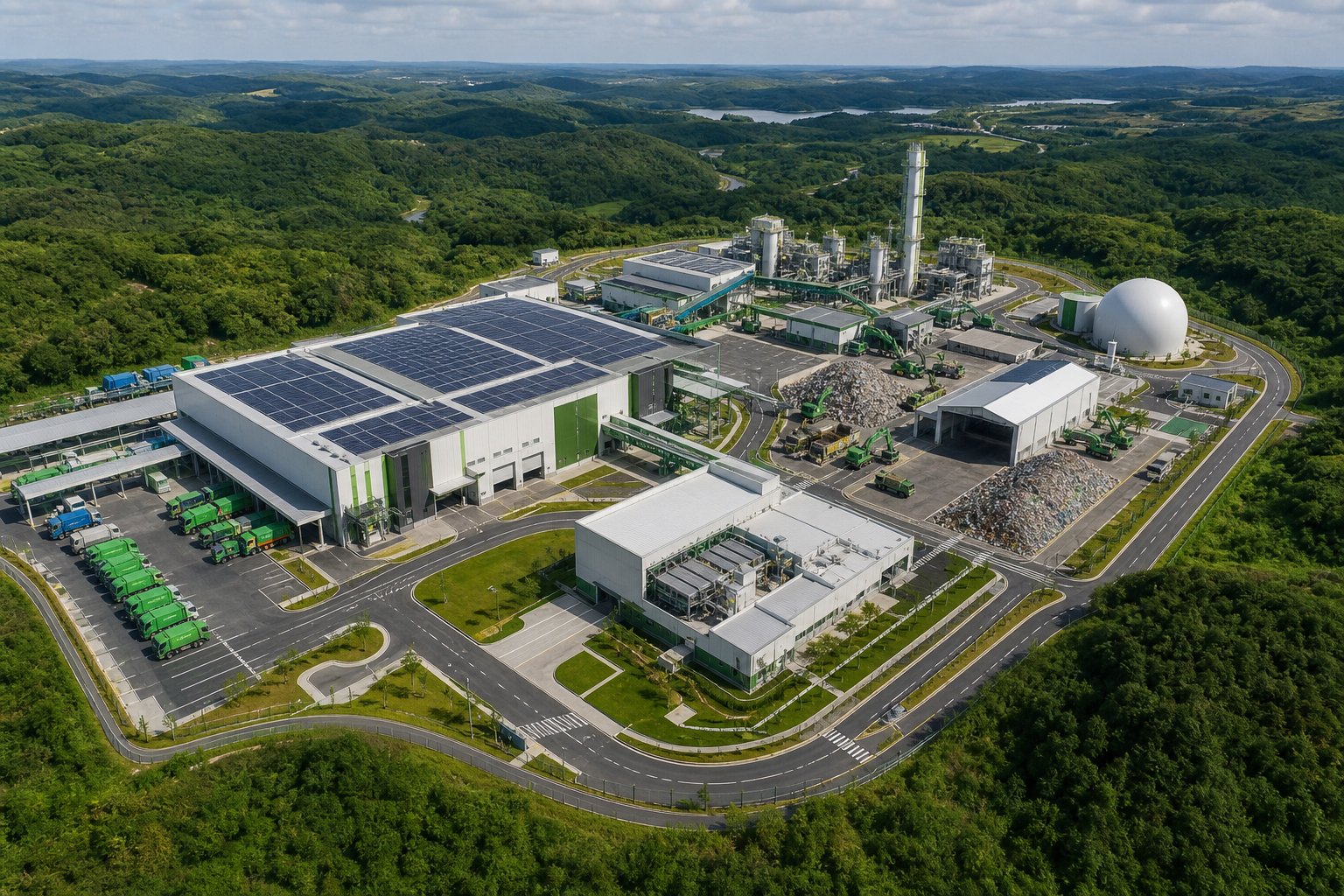
Does recycling work? It's a fair question — and the answer depends on what you expect it to accomplish. When you ask what percentage of plastics are actually recycled, the global figure hovers near 9%. A 2024 study published in Sustainable Production and Consumption projects global plastic use rising from 464 Mt in 2020 to as high as 884 Mt by 2050. Against those volumes, recycling alone — even dramatically improved recycling — cannot close the gap. It was never designed to.
The question isn't whether recycling matters. It does. The question is where it fits within a broader hierarchy of interventions — and what it takes to build systems that actually function at scale.
The Waste Hierarchy and Where Recycling Fits
The waste management hierarchy ranks interventions from most to least desirable:
- Reduce — Eliminate unnecessary plastic at the design stage. Use less material. Avoid single-use formats entirely where alternatives exist.
- Reuse — Keep products circulating through refill systems, returnable packaging, and plastic reuse models that extend a product's service life before it ever reaches a waste stream.
- Recycle — Reprocess materials into new products when reduction and reuse are no longer feasible.
- Recover — Extract energy through incineration or co-processing when material recycling isn't practical.
- Dispose — Landfill as a last resort.
Notice where recycling sits: third. Not first. When people ask does recycling really get recycled, the honest answer is "some of it" — and that partial truth reflects the system's structural position. Recycling captures value from material that's already been produced, used, and discarded. It's inherently reactive. Reduction and reuse are proactive. They prevent waste from existing in the first place.
Yet in public discourse and corporate sustainability reports, recycling receives disproportionate attention — partly because it's visible, partly because it's measurable, and partly because it lets producers externalize responsibility to consumers and municipalities. The hierarchy exists to correct that imbalance.
Circular Economy Principles in Practical Terms
The circular economy isn't an abstract concept. As the Ellen MacArthur Foundation defines it: a circular economy is a system where materials never become waste and nature is regenerated. It operates on three design-driven principles — eliminate waste and pollution, circulate products and materials at their highest value, and regenerate nature.
What does that look like in practice for plastics? Consider these tangible examples:
- Design-for-recyclability — Manufacturers choose mono-material packaging (one resin type throughout) instead of multi-layer films. A PET bottle with a PET label and no problematic adhesive processes cleanly. A multi-layer pouch fusing PE, aluminum, and nylon does not. Companies like Unilever and Nestlé have committed to making 100% of their packaging reusable, recyclable, or compostable — forcing upstream design decisions that reduce downstream processing friction.
- Reuse at scale — Loop's refillable container platform, Algramo's bulk dispensing in Chile, and Germany's mandatory deposit-return system for PET bottles demonstrate that plastic reuse models work when infrastructure supports them. Germany's system recovers over 97% of deposit bottles — a rate mechanical recycling alone could never achieve.
- Material passports and digital tracking — Embedding information about a product's material composition directly into packaging (via watermarks or QR codes) helps sorting facilities identify polymers instantly, reducing misclassification and contamination.
No single intervention — recycling, reduction, or redesign — transforms a linear plastics economy into a circular one. Systems-level change requires simultaneous investment in collection infrastructure, sorting technology, processing equipment, and robust end markets for recycled materials.
That insight from the Ellen MacArthur Foundation's infrastructure work frames the challenge correctly. Recycling plastic and its general effectiveness depends not on any single technology, but on the interconnection between every stage.
What Successful National Recycling Programs Share
When you compare countries with high recovery rates against those where most material gets landfilled or leaked, a few consistent patterns emerge. What percent of plastic is recycled varies enormously — from over 50% in nations like Germany and South Korea to single digits in parts of Africa, South Asia, and the Americas.
Successful programs share common traits:
- Extended Producer Responsibility (EPR) — Producers fund the collection and recycling of their packaging, creating a financial loop that incentivizes lighter-weight, mono-material design. Europe's mature EPR systems generate the revenue base that keeps infrastructure running.
- Deposit-return schemes — Financial incentives at the consumer level drive collection rates above 90% for beverage containers in Germany, Norway, and Lithuania.
- Integrated informal sector participation — In Brazil, India, and parts of Southeast Asia, waste pickers and cooperatives collect a significant share of recyclable material. Programs that formalize and compensate these workers — rather than displacing them — achieve both social and environmental gains.
- Domestic processing capacity — Countries that invest in local sorting and reprocessing infrastructure avoid dependence on export markets. When China closed its doors via National Sword, nations without domestic capacity saw stockpiles grow overnight.
- Mandatory recycled content targets — The EU's PPWR mandates minimum recycled content in packaging, guaranteeing demand for post-consumer resin and stabilizing prices for recyclers.
Failing programs, by contrast, share a different pattern: voluntary targets with no enforcement, underfunded collection systems, outdated or absent sorting technology, and no guaranteed end markets. How much recycling actually gets recycled in those environments? Very little — material gets collected, stored, and eventually landfilled or exported because no viable domestic processing path exists.
The Ellen MacArthur Foundation notes that globally only about 15% of all plastic packaging is recycled, with around 40% mismanaged — the vast majority in low- and middle-income countries. Closing that gap requires billions of dollars in infrastructure development, not just in collection, but through the entire value chain: sorting, processing equipment capable of handling diverse feedstocks, and end-market creation.
Better global recycling doesn't happen through any single investment. It requires upgrading at every link — from collection bins on streets to the screw barrels inside extruders that convert flake into pellet. Facilities scaling up processing capabilities for pipe, profile, WPC, or granulation lines can access component-level support through specialized suppliers like NANHAIYA's extrusion equipment page, which offers custom screw barrel configurations matched to the demands of post-consumer material processing.
The path forward is neither mysterious nor impossible. It requires honest assessment of where we stand — roughly 9% global recycling rates — paired with coordinated investment across the full value chain. Reduction eliminates the need for recycling. Reuse extends product life before end-of-life. And recycling, properly funded and equipped, captures what remains. None of these tools works in isolation. Together, functioning within a well-designed circular system, they represent the most credible path toward an economy where plastic never becomes waste.
Frequently Asked Questions About Plastic Recycling
1. What types of plastic can actually be recycled?
Only thermoplastics — plastics that soften when heated — can be recycled through conventional methods. In practice, most curbside programs reliably accept only #1 PET and #2 HDPE containers. #5 polypropylene acceptance is growing but not universal. Thermoset plastics like epoxy resins cannot be melted and reformed, making them permanently non-recyclable through standard processes. Always check your local municipality's accepted materials list rather than relying on the resin identification code triangle stamped on packaging.
2. Why is recycled plastic more expensive than virgin plastic?
Recycled plastic carries costs that virgin resin avoids entirely. Collection logistics, multi-stage sorting, washing and decontamination, and quality-control testing all add expense. Meanwhile, virgin plastic production benefits from massive fossil fuel infrastructure and drops in price whenever oil and gas markets soften. Contamination losses further erode recycled material margins — a percentage of collected plastic fails quality checks and gets landfilled. IEEFA research shows virgin plastics prices trending substantially lower than recycled alternatives in the U.S., making economic competitiveness an ongoing challenge for recyclers.
3. Does recycling plastic actually work, or does it end up in landfills?
Some of it works, but the global recycling rate sits near 9%, and U.S. rates have fallen to roughly 5-6%. High-value resins like PET and HDPE have established end markets and do get reprocessed into new products — bottles, containers, polyester fiber, and construction materials. However, lower-demand resins, contaminated loads, and materials without local processing infrastructure often end up landfilled or incinerated. Success depends heavily on regional infrastructure, sorting accuracy, and whether guaranteed end markets exist for the recycled output.
4. Can biodegradable or compostable plastics go in the recycling bin?
No. Biodegradable and compostable plastics contaminate conventional recycling streams. The EPA confirms that compostable plastics made from corn or plant fiber disrupt processing when mixed with petroleum-based resins. For example, a PLA cup in a PET recycling batch lowers the entire load's melt quality. These materials require industrial composting facilities operating at specific temperatures — not standard recycling infrastructure. If your area lacks an industrial composting program, compostable plastics typically end up in landfills regardless of labeling.
5. What role does extrusion equipment play in plastic recycling?
The extruder is where sorted and cleaned plastic flakes become sellable pellets — making it the value-creation stage of any recycling operation. Screw barrel design directly affects throughput, pellet uniformity, energy efficiency, and the ability to handle variable post-consumer feedstocks. Recycled material introduces unique stresses including abrasive contaminants, corrosive additives, and inconsistent melt flow that wear equipment faster than virgin resin processing. Facilities needing replacement screw barrels or custom configurations for granulation, film, sheet, or pipe lines can find application-specific support through suppliers like NANHAIYA at nhyscrews.com.
Written by
Nanhaiya Technical Team
Zhoushan Nanhaiya Plastic Machinery Co., Ltd.
The Nanhaiya technical team supports screw and barrel manufacturing projects through application review, technical communication, custom manufacturing coordination, and production and quality control.
Discuss Your Application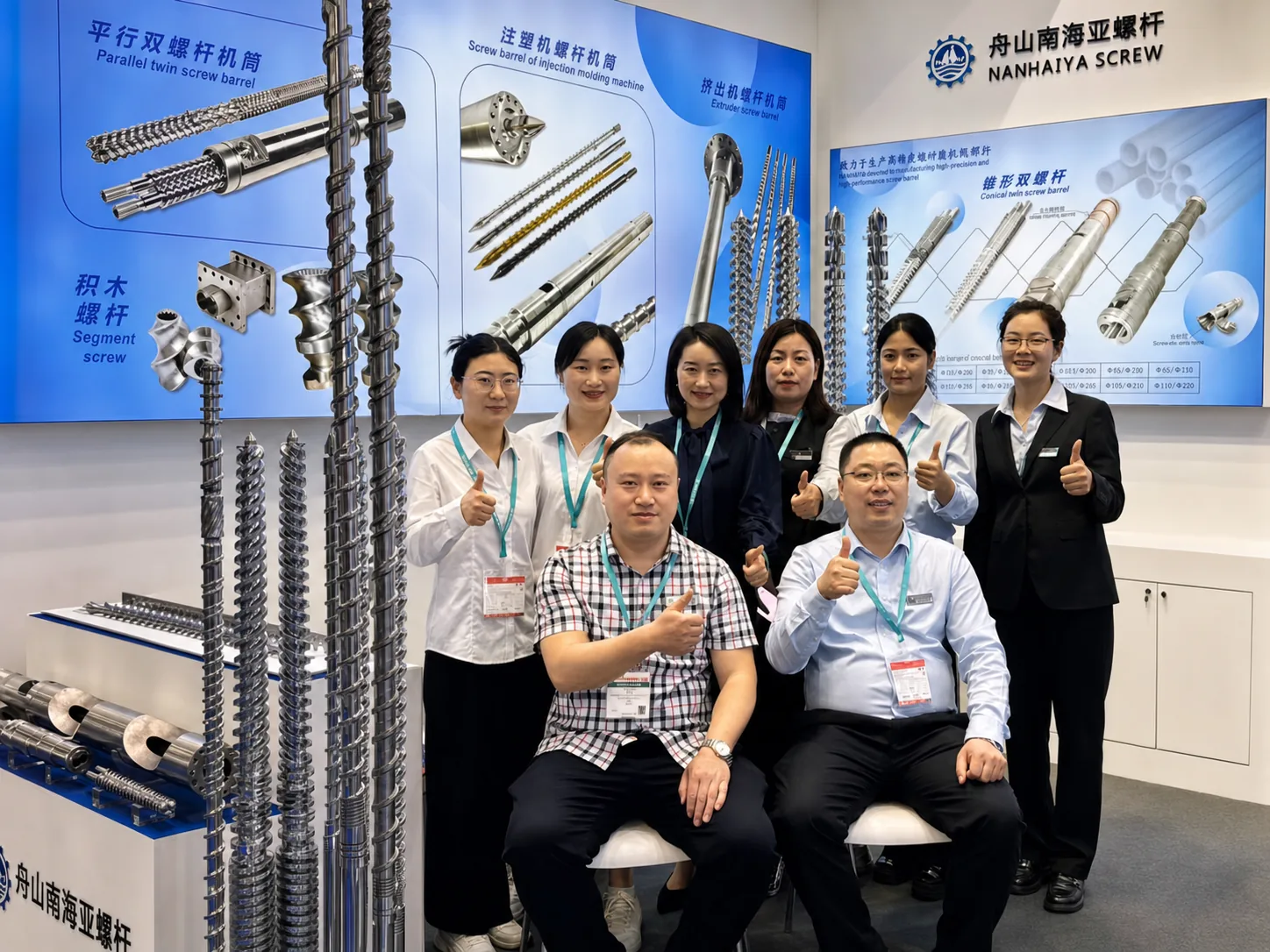
Related Articles
More insights on screw barrel technology and plastics processing.
Extruder Machine Decoded: From Raw Pellet To Finished Product
Oct 6, 2026
Learn how an extruder machine works, compare single-screw vs. twin-screw types, and get expert guidance on specs, troubleshooting, and selection.
Read Article
PE Pipe Making Machine Decoded: From Raw Resin to Flawless Pipe
Oct 4, 2026
Learn how a PE pipe making machine works, from resin to finished pipe. Covers components, material grades, automation, troubleshooting, and buyer selection tips.
Read Article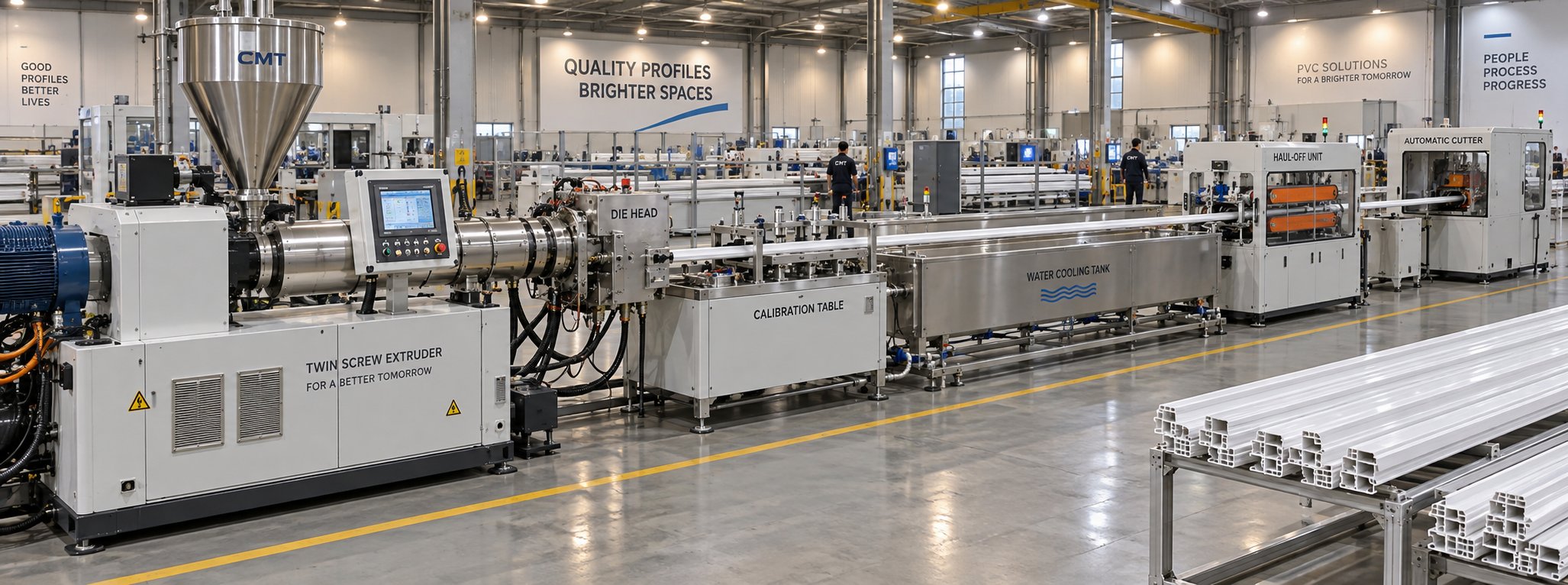
PVC Profile Making Machine Decoded: From Raw Resin To Profit
Oct 3, 2026
Learn how a PVC profile making machine works — extrusion process steps, key technical parameters, die design, calibration methods, maintenance, and total cost of ownership.
Read ArticleLooking for something else?
Search by material, symptom or product and jump straight to the relevant page.
These are navigation suggestions based on keyword matching — not a quotation, not a delivery commitment, and not a substitute for engineering review. Final specification is confirmed by our engineers against your drawings and processed material.
Need help with screw barrel selection?
Share your machine model, processed material and application. Our team can help with pricing and technical support.